
The U.S. Electoral College no longer represents the will of the people – it never really did.
By Charles Beren
The U.S. Electoral College no longer represents the will of the people. The idea of “one man, one vote,” as stated in the U.S. Constitution, doesn’t work in national elections because of our antiquated process in electing the president.
The Electoral College discourages rather than encourages a larger turnout, and results in less than 60 percent of our potential voters choosing to participate in our presidential elections.
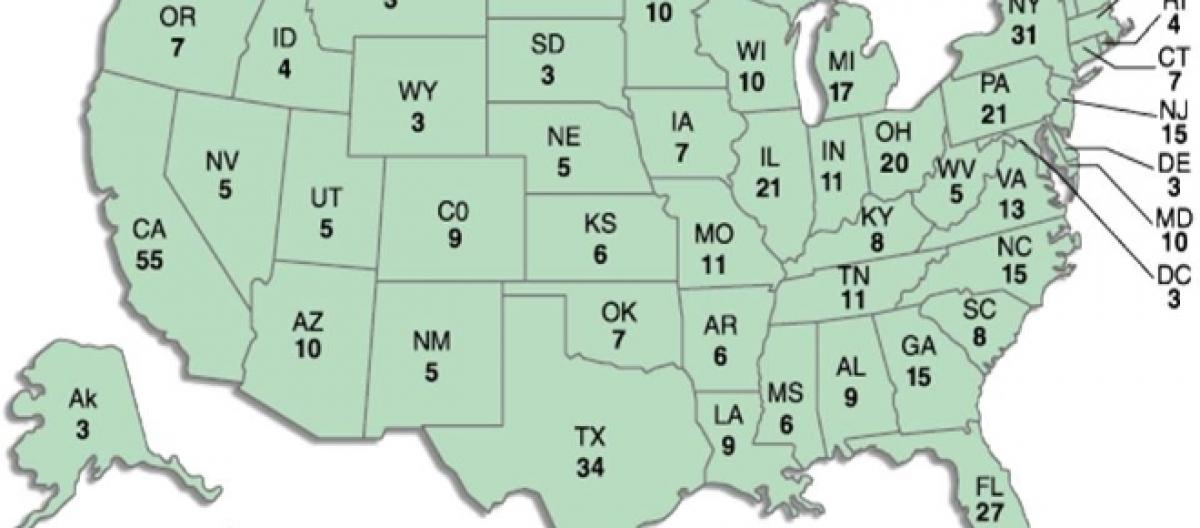
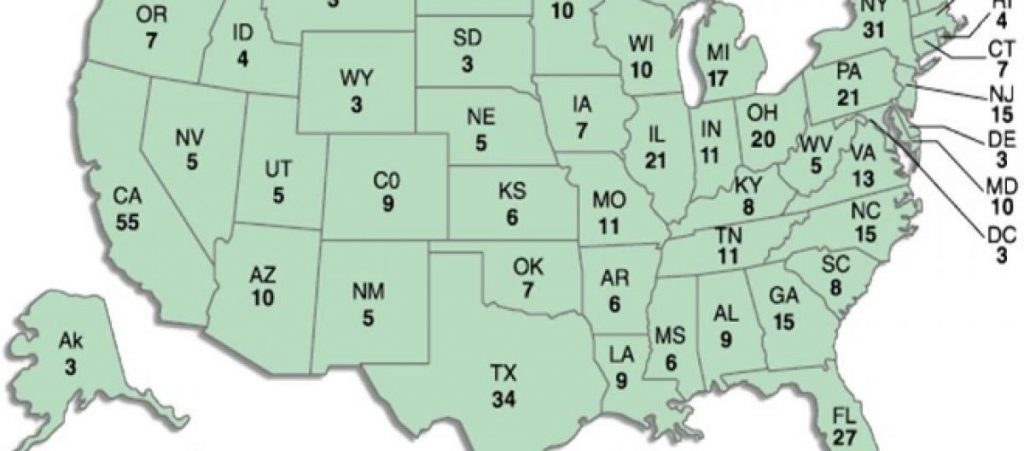
Using only two states as an example, why bother voting for president if you are one of 3.9 million Republicans in California where they were out-voted by an nearly 2:1 margin by Democrats; or why bother voting Democratic in Texas where the GOP out-voted them by almost a million. In just those two states almost 7.8 million voices were essentially not heard.
Again, why bother voting knowing your vote will literally have no impact on your state’s electoral votes.
As much as I think the president should be elected by popular vote, I cannot imagine the Electoral College going away because of partisan politics.
What I propose is the following: States should allocate their electoral votes based upon the percentage of votes each candidate receives. For example, using the same two states mentioned earlier, in California the GOP candidate would have gotten 18 electoral votes and in Texas the Democrat would have gotten 16, instead of none. Currently, two states, Maine and Nebraska are the only states that apportion their electoral votes by the number of popular votes cast by candidate. Every vote counts for something. In these two states the concept of one person one vote works.
If we do this on a national level all candidates would get a bite of the electoral apple instead of winner-take-all. The reality of winner takes all in known red or blue states certainly dampens voter turnout. By amending the Electoral College process, my vote and all votes of a minority party in any state, would count for something. Knowing every vote has some weight would encourage millions more people to vote during a presidential election. The concept of one person one vote could then actually mean something.
As a post script: If all states apportioned their votes in this manner, the final tally in the 2016 election would have been 277 to 257 in favor of Clinton.
Originally published by the Palm Beach Post, 01.07.2019, under the terms of a Creative Commons license.