

By Jeff Seldin
National Security Correspondent
Voice of America
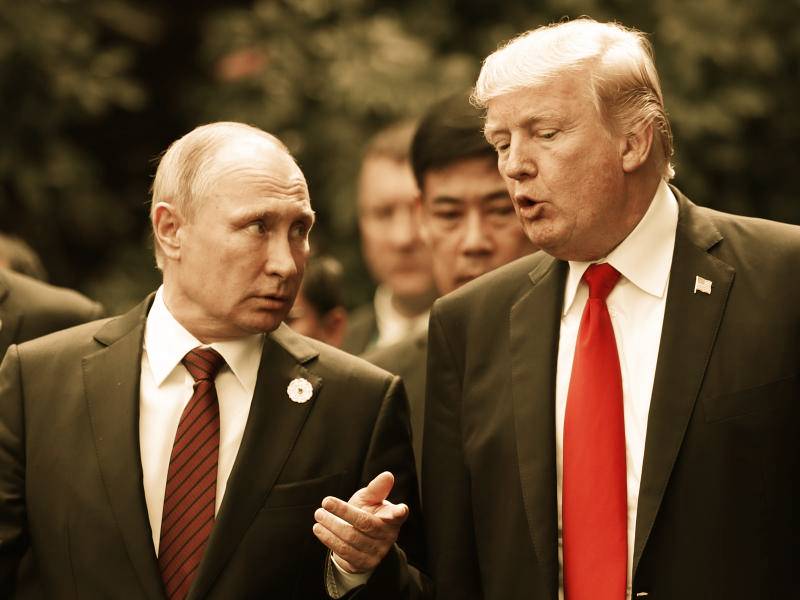
A bipartisan investigation into Russian efforts to influence the outcome of the 2016 U.S. presidential election found that Moscow successfully used a complex web of operatives and active measures to ensnare members of President Donald Trump’s campaign, in some cases, leaving the incoming administration open to manipulation.
The report concluded, among other things, that Trump’s 2016 campaign chairman Paul Manafort posed a “grave counterintelligence threat” because of his dealings with people close to the Kremlin. But it also found that the FBI’s investigation of the Russian meddling in the election was “flawed.”
Released Tuesday by the Senate Intelligence Committee, the report is the fifth on the subject by the committee and the culmination of more than three years of work. It includes hundreds of witness interviews and the review of more than 1 million pages of documents.
The report focuses on key players from Russia and the Trump campaign, as well as efforts undertaken by Russian intelligence and organizations like the anti-secrecy website WikiLeaks, which according to the report, “likely knew it was assisting a Russian intelligence influence effort.”
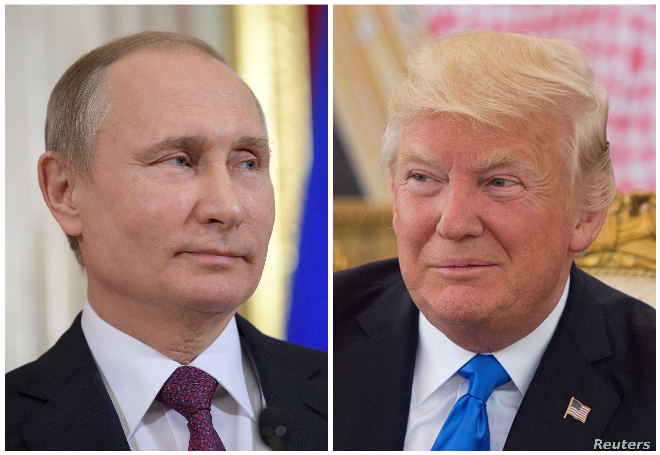
Although the report does not find evidence that Trump campaign officials willingly and knowingly worked with Russia to win the election, committee investigators concluded that whether due to ambition or naivety, key officials were indifferent to the possibility help was coming from the Kremlin.
With WikiLeaks and its release of documents obtained during Russia’s hack of the Democratic National Committee’s computer services, for example, the report found the Trump campaign, “sought to maximize the impact of those leaks to aid Trump’s electoral prospects.”
“The Trump Campaign publicly undermined the attribution of the hack-and-leak campaign to Russia and was indifferent to whether it and WikiLeaks were furthering a Russian election interference effort,” the report added.
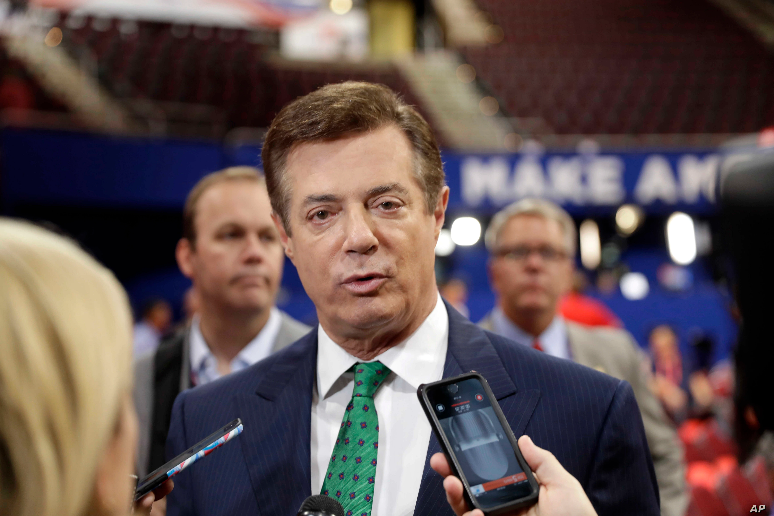
The Senate report raises especially deep concerns about the role of Manafort, a Republican political operative and international lobbyist who joined the Trump campaign in March 2016.
“Manafort’s presence on the Campaign and proximity to Trump created opportunities for Russian intelligence services to exert influence over, and acquire confidential information,” the report said.
Manafort was convicted of tax and bank fraud charges during a separate investigation by special counsel Robert Mueller. He was released from prison to home confinement earlier this year.
But the report raises concerns specifically about Manafort’s long-running ties to Russian oligarch Oleg Deripaska, who was known for running influence operations under the direction of the Kremlin, sometimes with Manafort’s help, and Russian intelligence officer Konstantin Kilimnik.
The report found especially worrisome Manafort’s relationship with Kilimnik, which it described as “close and lasting.”
“On numerous occasions, Manafort sought to secretly share internal Campaign information with Kilimnik,” the report stated.
“The Committee was unable to reliably determine why Manafort shared sensitive internal polling data or Campaign strategy with Kilimnik or with whom Kilimnik further shared that information,” it added.
Yet Senate Intelligence Committee investigators say Russia found other ways to get close to Trump’s inner circle after the election.
“Russia took advantage of members of the Transition Team’s relative inexperience in government, opposition to Obama Administration policies, and Trump’s desire to deepen ties with Russia to pursue unofficial channels through which Russia could conduct diplomacy,” the report said.
It noted the “existence of a cadre of informal advisors to the Transition Team with varying levels of access to the President-elect and varying awareness of foreign affairs presented attractive targets.”
But the report also reserves harsh criticism for efforts by the U.S. government, specifically the FBI, to counter and investigate Russia’s actions.
“The Committee found the FBI lacked a formal or considered process for escalating its warnings about the DNC hack within the organization of the DNC,” the report said.
It also hammered the FBI for giving “unjustified credence” to a dossier compiled by former British Intelligence agent Christopher Steele, which included salacious but unverified intelligence information Russia could have used to blackmail Trump.
The FBI, the report said, “did not effectively adjust its approach to Steele’s reporting once one of Steele’s sub sources provided information that raised serious concerns about the source descriptions in the Steele Dossier.”
Despite the bipartisan nature of the Senate Intelligence Committee report, the committee’s leaders Tuesday drew differing conclusions in their public statements.
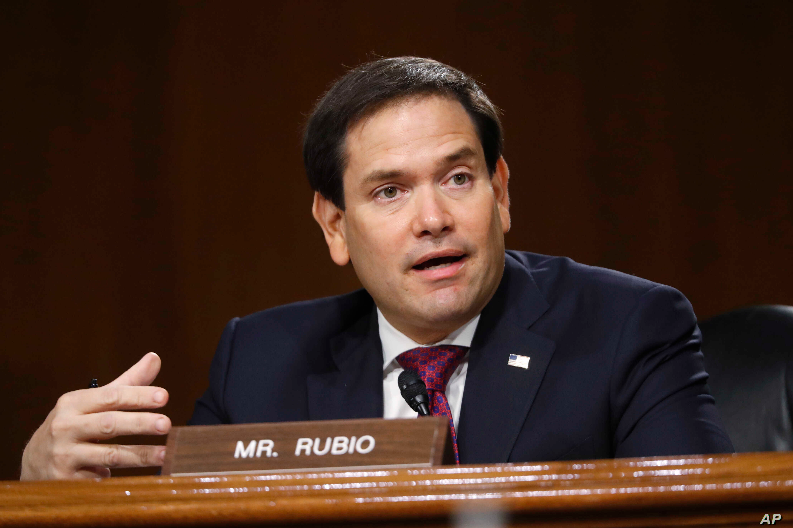
“We can say, without any hesitation, that the Committee found absolutely no evidence that then-candidate Donald Trump or his campaign colluded with the Russian government to meddle in the 2016 election,” said acting chairman, Republican Sen. Marco Rubio.
And while he called what he described as “irrefutable evidence” of Russian meddling in the 2016 election “troubling,” Rubio said the FBI’s use of the Steele Dossier was also “deeply troubling.”

In contrast, Democrat Sen. Mark Warner, vice chair of the committee, said the report shed light on what he described as “a breathtaking level of contacts between Trump officials and Russian government operatives that is a very real counterintelligence threat.”
“This cannot happen again,” he added.
In its previous report issued last April, the Senate committee reaffirmed the findings of the U.S. intelligence community in early 2017 as “sound” that Russia sought to help Trump win the 2016 election.”
Originally published by Voice of America, 08.18.2020, under a Government Public Domain license.