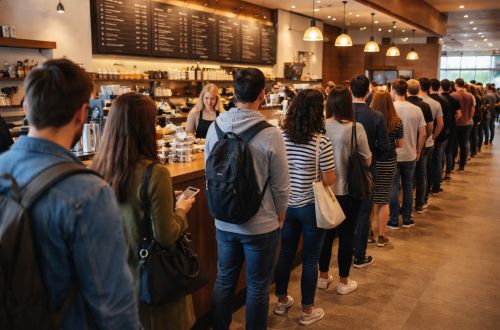
Long wait times can drive customers away from even the best coffee shops. Busy coffee shops face a constant challenge to serve quality drinks quickly while customers stand in line and check the time. Coffee shops that reduce wait times see higher customer satisfaction, more sales, and better reviews.
The solution involves a combination of technology, staff preparation, and smart design choices. Modern tools and strategies help coffee shops move customers through the line faster without sacrificing drink quality. These improvements benefit both the business and the people who visit each day.
This guide covers practical methods that coffee shops use to cut down wait times. From point-of-sale systems to store layout changes, each approach addresses a specific part of the customer experience. Coffee shop owners can apply these tactics to create a smoother, faster service that keeps customers happy.
1. Implement a Coffee Shop POS system for faster order processing
A digital POS system for coffee shop operations helps eliminate bottlenecks during peak hours. Staff members can enter orders directly at the counter or use handheld devices to take orders from customers in line. This approach reduces the time spent on manual order entry and minimizes errors that slow down service.
Modern systems process payments in seconds through contactless methods, chip readers, and mobile wallets. Customers no longer wait for slow payment authorization or manual credit card processing. The technology handles transactions automatically while staff focus on the next order.
Order accuracy improves because POS systems send requests directly to baristas with all modifications clearly displayed. Staff members spend less time clarifying orders or fixing mistakes. The system also tracks popular items and modifiers, which helps predict busy periods and adjust staffing accordingly.
Some systems continue to function without internet access, so technical problems never stop the flow of service. Coffee shops maintain full speed even during network outages or system updates.
2. Use mobile ordering apps to enable pre-order and pick-up
Mobile ordering apps let customers place their orders before they arrive at the coffee shop. They can browse the menu, select their drinks, and pay through their phones. This process saves time because the staff can prepare orders in advance.
Customers skip the line after they arrive. Most apps allow them to choose a specific pickup time that works with their schedule. The shop can then spread out orders throughout the day instead of dealing with large rushes all at once.
The system reduces wait times for everyone in the shop. Customers who order ahead get their drinks right away. Those who order in person face shorter lines because fewer people wait at the counter. Staff members can work more efficiently because they know what to prepare and when to have it ready.
Coffee shops can accept orders through their own website or app. Customers benefit from a faster experience, and the business handles peak hours with less stress.
3. Train staff thoroughly to improve speed and beverage quality
Staff members need proper training to handle busy periods without slowing down service. A well-trained team knows how to prepare drinks correctly the first time, preventing remakes and keeping the line moving. Employees should learn standardized recipes and efficient workflow patterns.
Regular practice sessions help baristas develop muscle memory for common drinks. They can prepare beverages faster while maintaining consistent quality. Training should also cover how to handle multiple orders at once and prioritize tasks during rush hours.
Communication skills matter just as much as technical abilities. Staff members who can take orders quickly and accurately reduce errors and confusion. They should also learn to stay calm under pressure and maintain a friendly attitude with customers.
New employees benefit from hands-on practice during slower periods before they work peak hours. Experienced workers can mentor newer staff and share tips for speed and efficiency. Continued education keeps the entire team sharp and ready to deliver excellent service.
4. Optimize store layout to streamline customer flow and queue management
The way a coffee shop arranges its space directly affects how fast customers move through the line. A well-planned layout reduces bottlenecks and keeps people from crowding near the entrance or order counter.
Coffee shops should place their queue in a single-file line that leads straight to the counter. This design prevents confusion about who orders next and stops customers from clustering in random spots. The path from the door to the counter needs to stay clear and easy to follow.
Product displays and menus should sit in spots where they don’t block foot traffic. Therefore, customers can browse without slowing down the line. Staff members also need clear paths to move between the espresso machine, register, and pickup area.
Smart layout choices help baristas work faster while customers wait less. A simple floor plan with obvious traffic patterns makes the whole process smoother for everyone involved.
5. Deploy self-service kiosks to reduce ordering bottlenecks
Self-service kiosks allow customers to place their own orders without staff help. These digital touchscreens cut down wait times by letting multiple people order at once instead of standing in a single line.
Coffee shops often face bottlenecks during morning rush hours. A kiosk stationed near the entrance gives customers another option besides the main counter. This spreads out the crowd and speeds up the entire process.
The technology works well because customers can browse the menu at their own pace. They can customize their drinks and add extra items without pressure. As a result, order accuracy improves, and staff members have more time to prepare beverages.
Kiosks also encourage customers to try add-ons they might skip at the counter. For example, someone might add a pastry or an extra shot more easily through a screen. This benefits both sales and customer satisfaction while keeping lines short.
Conclusion
Coffee shops can make a real difference in wait times through smart planning and the right tools. Staff training, efficient shop layout, and clear communication help customers move through lines faster. Technology like mobile apps and point-of-sale systems gives shops the ability to serve more people without sacrificing quality. However, the most successful coffee shops combine these methods to create a system that works for their specific needs. Quick service keeps customers happy and brings them back, which matters for any busy coffee shop.
About the Author