Even conservatives are sounding the alarm.

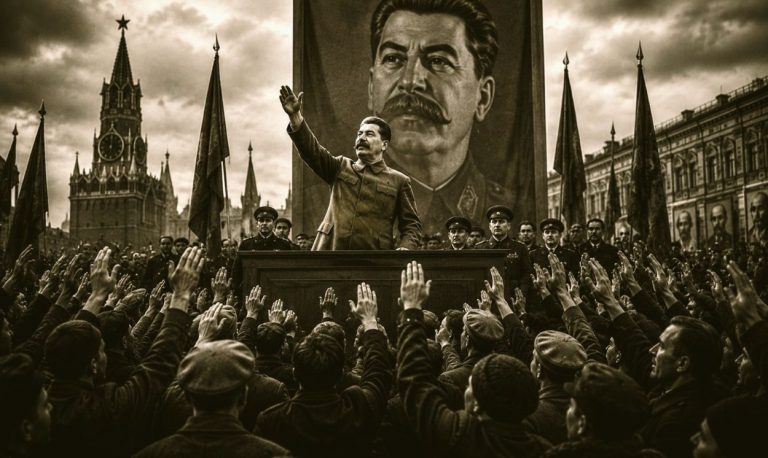
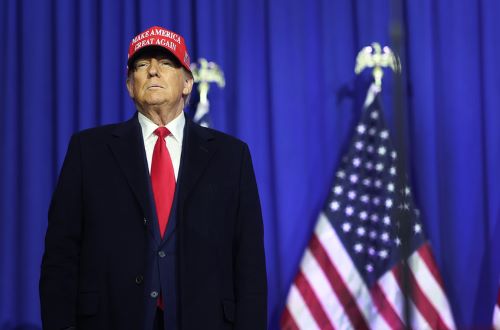
Since Donald Trump emerged on the national political scene in 2015, journalists and pundits have been debating whether it’s appropriate to compare him and the MAGA movement to the fascist movements of 20th-century Europe — and, more specifically, to the Nazism that gained traction in Germany throughout the 1920s. Some of Trump’s critics — including Biden’s campaign — argue that Trump’s incendiary rhetoric and authoritarian behavior justify the comparison. Meanwhile, Trump’s defenders — and even some of his more historically-minded critics — argue that the comparison is ahistorical; that he’s not a true fascist.
Yet the ongoing “f-word debate” seems to ignore one key dynamic: Trump and his campaign keep inviting the comparison themselves.
….
Yet in some respects, the narrow focus on Trump’s actions obscures the broader problem for the GOP, especially as campaigns lean more heavily on digital content to spread their message: The conservative internet is so thoroughly saturated with fascist and neo-Nazi content that it’s increasingly difficult for campaigns operate in right-leaning spaces online without running into it.
The problem has gotten so bad that some conservatives are starting to quietly sound the alarm. In March, the conservative activist Chris Rufo took to X to note the proliferation of “Kanye-style antisemitism, right-wing identitarianism, online grifting [and] extreme conspiratorialism” on the online right, nothing that, “The economics of online discourse are increasingly at odds with forming and mobilizing a successful political movement.”
READ ENTIRE ARTICLE AT POLITICO
About the Author