The continued growth of these movements indicates that ancestral traditions hold relevance for communities seeking cultural continuity and grounded forms of meaning.

By Matthew A. McIntosh
Public Historian
Brewminate
Introduction
Across multiple regions of the world, communities are returning to ancestral religions and Indigenous spiritual systems, renewing practices that were once suppressed or marginalized. Recent reporting and academic research show that these revivals are gaining visibility as cultural, ecological, and identity-based movements reshape the global religious landscape.
Documented revitalization efforts reveal a growing interest in ancient and Indigenous traditions, ranging from Native American cultural renewal to the resurgence of pre-Christian European religions and global forms of animism. Research collected by the Library of Congress highlights a broad revival of Native languages, ceremonial practices, and spiritual teachings, while contemporary studies describe similar trends among communities in Asia, Europe, and the Pacific. These developments reflect a shift toward recovering heritage and reaffirming practices that have endured despite long periods of political, religious, or cultural pressure.
In many regions, ancestral worldviews are reappearing in public life after generations of decline. Tribal communities in India are returning to traditional beliefs in response to changing social expectations, while materials from groups working in international cooperation networks describe a renewed emphasis on land-based spirituality and environmental stewardship. Parallel research gathered in academic publications shows increasing interest in animistic frameworks and ancient cosmologies, suggesting that these practices are not isolated revivals but part of a broader global trend.
At the same time, growing attention to pre-Christian European traditions indicates a revival of spiritual forms that had been largely dormant or confined to small cultural circles. Analyses shared through historical and cultural platforms describe increased engagement with Greek, Roman, Celtic, and Norse spiritual systems, accompanied by renewed interest in ritual, storytelling, and communal observance. Together, these developments illustrate how ancestral traditions are reentering public consciousness and taking on new relevance in contemporary life.
Indigenous Cultural Revitalization Movements
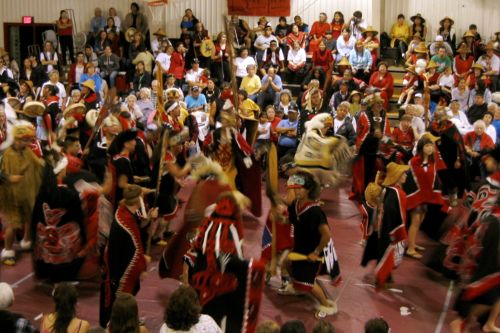
Efforts to sustain and revive Indigenous spiritual traditions have gained new visibility in recent years, supported by organized community work and cultural documentation. Research from the Library of Congress Folklife Center describes how Native American nations have expanded initiatives focused on language instruction, ceremonial practices, and cultural preservation. These programs draw on intergenerational knowledge and emphasize continuity rather than reconstruction, reflecting longstanding commitments to cultural survival.
Many revitalization efforts are tied to community-led educational initiatives that integrate traditional teachings into public and tribal institutions. These programs involve elders, cultural specialists, and youth working together to reestablish practices that endured despite suppression through federal policy and mission systems. This collaborative structure has allowed traditions to regain prominence in public ceremonies, seasonal observances, and local cultural events.
These movements have also intersected with broader questions of identity and sovereignty. Revitalization work described in the Folklife Center’s research highlights how spiritual practices, language use, and land-based traditions form part of ongoing efforts to strengthen Indigenous governance and reinforce cultural autonomy. By restoring ceremonial life alongside political and cultural institutions, communities are affirming frameworks that predate historical displacement.
The resurgence of these practices demonstrates the resilience of Indigenous spiritual systems and their continued relevance. As communities expand opportunities for participation and cultural education, revitalization efforts have become more visible both within tribal nations and in public cultural programming. The documented growth of these initiatives shows how Indigenous traditions are reestablishing a strong presence in contemporary cultural life.
Resurgence of Animism and Land-Based Spiritualities
Researchers have documented renewed interest in animism and land-based spiritual worldviews across multiple regions. A widely circulated analysis outlines how animistic frameworks are appearing more frequently in public discussions about ecology, cultural identity, and community values. Reporting describes communities revisiting ancestral understandings of nature as animated, relational, and interconnected, reflecting a global return to practices that emphasize reciprocal relationships with the environment.
Academic research provides a complementary perspective on this revival. Contemporary environmental thought has drawn from animistic concepts, noting that these frameworks offer alternative ways of interpreting ecological change. According to this work, animism’s renewed visibility is not limited to spiritual communities but is influencing scholarly discussions about conservation, ethics, and cultural resilience.
Public spiritual movements have also contributed to this resurgence. Materials from networks working with land-based and Indigenous traditions highlight efforts to restore ceremonial relationships with ecosystems, drawing on practices that view forests, rivers, and animals as active participants in community life. These initiatives emphasize local knowledge and ecological stewardship, linking spiritual revival with environmental responsibility.
In several regions, animistic traditions are resurfacing in public festivals and cultural events. Reporting on contemporary movements notes increased participation in rituals rooted in ancient cosmologies and renewed attention to oral traditions that had declined under colonial and missionary influence. These visible returns suggest that animistic worldviews are finding renewed cultural footing in communities seeking continuity with their heritage.
The broad scope of these developments highlights the adaptability of animistic traditions. Rather than reemerging as static belief systems, they are appearing in diverse forms, shaped by local histories and contemporary concerns. The documented growth of these practices shows how animism is regaining relevance in both spiritual and cultural contexts, contributing to a wider revival of ancestral worldviews.
Revival of Ancient European Polytheisms
Interest in ancient European spiritual traditions has expanded in recent decades as communities revisit pre-Christian religious practices. There is a growing fascination with the mythologies, rituals, and cosmologies of Greek, Roman, Norse, and Celtic belief systems. This renewed engagement includes public observances, reconstructed ceremonies, and the study of historical texts that shaped spiritual life in earlier European societies.
Accounts from contemporary practitioners document how these traditions are reappearing within cultural festivals and heritage events. Analysis highlights the emergence of organized groups dedicated to restoring European Pagan practices, focusing on seasonal cycles, communal gatherings, and symbolic rituals drawn from early European sources. These developments indicate that historical religious forms are gaining recognition as part of cultural identity movements.
This revival is also visible in educational and artistic settings where ancient European narratives have gained renewed attention. Reporting from cultural heritage organizations notes increases in workshops, storytelling events, and language programs devoted to ancient mythic traditions. These efforts emphasize cultural literacy rather than doctrinal reconstruction, demonstrating how historical material is informing contemporary expressions of spirituality.
Researchers who study modern Pagan movements point to the diversity of these revivals, noting that practices vary significantly from one region to another. While some groups emphasize historical accuracy, others adapt ancient narratives to contemporary community needs. Despite these differences, interest in early European polytheisms continues to expand, contributing to the broader global resurgence of ancestral traditions.
Indigenous Religions Reclaimed Across Asia
Documented revitalization movements in parts of Asia show communities returning to ancestral religious practices after decades of adhering to introduced traditions. There are tribal groups in India publicly reaffirming traditional beliefs through ceremonies and communal gatherings. These events reflect a renewed recognition of practices that had been sustained privately but were not widely expressed in public life.
Political and social changes have created opportunities for communities to reclaim rituals that had been discouraged or overshadowed by missionary activity. According to the documentation, groups in several regions have revived festivals, healing traditions, and ritual observances that form part of their longstanding cultural heritage. These public expressions mark a shift toward reestablishing collective identities rooted in ancestral systems.
Researchers working in this area note that such revivals often involve intergenerational participation. Some describe elders guiding ceremonies and young people learning practices that had diminished in visibility during earlier decades. This combination of continuity and renewed interest reflects how Indigenous religious life is being reintroduced into contemporary community structures without assuming identical forms across regions.
These revitalization movements illustrate the diversity of Indigenous spiritual systems within Asia. While the documented cases differ in content and context, they share a focus on restoring cultural knowledge that had been weakened by external pressures. The public return of these traditions highlights how ancestral religious practices continue to adapt within changing social environments.
Spiritual Revival as Ecological and Cultural Resistance
Environmental movements have become a significant setting for the reemergence of Indigenous and land-based spiritual traditions. Documentation describes groups drawing on ancestral practices as part of efforts to restore damaged ecosystems and sustain traditional relationships with the natural world. These activities include ceremonies, community-led conservation programs, and cultural gatherings rooted in longstanding ecological knowledge.
Spiritual revitalization is closely connected to environmental stewardship. Many participating communities frame their work in terms of repairing both cultural and ecological harm, using rituals and educational programs that emphasize the interdependence of people and landscapes. This approach reinforces the role of traditional knowledge systems in ongoing environmental restoration projects without generalizing beyond the documented cases.
Academic analysis featured in broader research on contemporary spiritual movements notes that these revitalization efforts often emerge in regions where ecological disruption intersects with cultural loss. Studies of modern animistic and Indigenous frameworks highlight how ancestral practices provide alternative perspectives for understanding land management and community resilience. These perspectives appear in public events, advocacy campaigns, and local conservation initiatives.
These revivals function not only as expressions of faith but also as cultural strategies within environmental activism. By reintroducing ceremonies and teachings grounded in ancestral relationships with the land, communities are strengthening cultural identity while addressing ecological challenges. The visibility of these efforts illustrates how spiritual traditions are informing conservation work in ways that connect heritage with contemporary environmental concerns.
Broader Implications for Cultural Identity and Global Religious Change
Researchers studying contemporary religious trends note that the revival of ancestral traditions is reshaping how communities articulate cultural identity. Documented revitalization movements show that traditional practices are increasingly used to affirm continuity with heritage, especially in places where historical disruptions weakened or obscured older belief systems. This shift reflects a broader recognition of Indigenous and ancestral worldviews as meaningful components of modern cultural expression.
These revivals are also contributing to changes in global religious patterns. Reports documenting renewed interest in Indigenous and pre-industrial spiritual frameworks illustrate how people in many regions are exploring alternatives to institutional faiths. This diversification has increased the public visibility of traditions that once operated primarily within local networks, bringing them into broader conversations about spirituality, ecology, and cultural preservation.
The growing prominence of these movements highlights how ancestral practices are being integrated into contemporary contexts. As communities reintroduce ceremonies, teachings, and cultural narratives, they are expanding the range of spiritual frameworks represented in public life. This development underscores the adaptability of traditional systems and their continued relevance in discussions about global religious transformation.
Conclusion
The documented revival of Indigenous and ancestral spiritual traditions shows how communities are drawing from longstanding cultural frameworks to navigate contemporary challenges. These movements are reappearing in public life through ceremonies, educational initiatives, ecological projects, and cultural events, reflecting a return to practices that have endured through significant historical change. Their renewed visibility highlights the persistence of spiritual systems that remained active even when they were less apparent in broader public discourse.
As these traditions reemerge, they are expanding how spirituality is expressed across different regions. Research describing the resurgence of animism, Indigenous belief systems, and ancient European polytheisms illustrates how diverse communities are reclaiming practices that connect them to local histories and cultural knowledge. This increased engagement has brought attention to spiritual forms that have not always been represented in mainstream conversations about global religious life.
The continued growth of these movements indicates that ancestral traditions hold relevance for communities seeking cultural continuity and grounded forms of meaning. Their presence within cultural, ecological, and educational contexts demonstrates how spiritual revival can function as both a cultural resource and a contemporary expression of identity. These developments show that ancient and Indigenous practices remain significant components of the evolving global religious landscape.
Originally published by Brewminate, 12.08.2025, under the terms of a Creative Commons Attribution-NonCommercial-NoDerivatives 4.0 International license.
About the Author