Metal roofs offer durability, yet they still face wear from environmental and structural factors. Knowing common damage causes helps determine when action is needed. Clear evaluation supports practical decisions, so let’s explore.
Weather Exposure and Surface Stress
Weather exposure remains a primary factor behind metal roof wear. Temperature shifts, heavy rain, and hail place repeated stress on panels and fasteners. Metal roof repair often becomes relevant when dents, scratches, or loose seams appear after storms. These surface issues may help signal early intervention needs.
Extended sun exposure also affects protective coatings. Over time, finish layers may thin and expose metal beneath. Moisture contact then increases corrosion risk. Routine checks help identify surface changes early.
Fastener and Seam Movement
Metal panels expand and contract with temperature change. This movement affects screws, clips, and seam alignment. Seasonal shifts increase this stress cycle. Loose fasteners may allow minor water entry.
Effects of Expansion Cycles
Repeated expansion loosens attachment points. Washers may crack or shift position. Seams can separate slightly under pressure. These signs often suggest repair rather than full replacement. Early tightening and seal replacement aid panel stability. Addressing movement limits water intrusion. Repairs focus on specific areas rather than entire sections. This approach suits many properties.
Moisture Intrusion and Drainage Issues
Water intrusion often begins at joints or roof penetrations where materials meet, and seals weaken over time. Poor drainage increases the risk of standing moisture, which places added stress on seams and fasteners. Periods of heavy rainfall test gutter systems and flashing performance more frequently. Minor leaks often trace back to localized failure or widespread material breakdown.
Clogged drainage paths force water to move beneath seams instead of flowing away from the surface. Flashing around vents and roof features requires tight seals to prevent moisture entry. Early moisture signs include interior staining, damp insulation, or subtle odor changes. Targeted fixes usually resolve these concerns when addressed before damage spreads.
Impact Damage and Surface Deformity
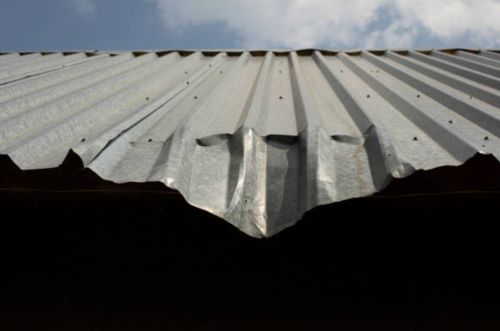
Impact from hail or debris leaves visible marks. Small dents may not affect function. Hail events vary in intensity. Assessment helps determine if the structure remains intact.
Surface deformity becomes a concern when panels bend near seams. Severe impact may alter water flow paths. Cosmetic damage often needs monitoring only. Structural deformation may require focused repair.
Common repair suitable signs include:
- Isolated loose fasteners
- Minor seam separation
- Localized coating wear
- Small impact dents
These indicators suggest repair may help restore performance. Broad damage signals different needs. Evaluation guides response choice. Pattern recognition matters.
Age-Related Wear and Coating Breakdown
Over time, protective finishes naturally degrade as they face constant exposure to sun, rain, and temperature shifts. This gradual process exposes the underlying metal to air and moisture, which increases the risk of surface corrosion. Higher humidity levels influence how quickly this corrosion develops across roof panels. Early coating failure often appears as fading color, dull surfaces, or chalk-like residue.
Routine recoating helps extend roof life by restoring a protective barrier over exposed areas. Spot treatment addresses vulnerable sections before corrosion spreads further. Widespread rust usually suggests more advanced wear that requires closer evaluation. Repair remains effective when deterioration stays limited and is addressed promptly.
Metal roof damage often stems from weather stress, movement, or moisture exposure. When issues remain localized, metal roof repair may help restore integrity without full replacement. Regular review supports timely action. These insights assist property owners in making informed maintenance decisions.
About the Author