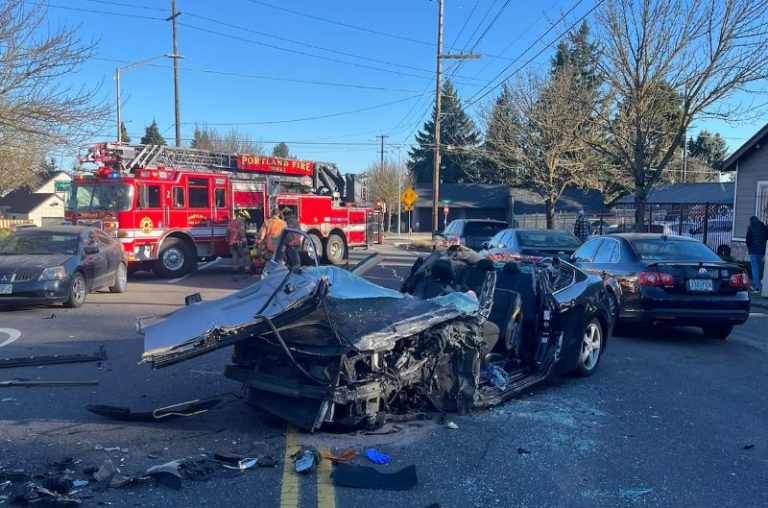
California features diverse terrain ranging from the Sierra Nevada mountains to the Pacific coastline. This state maintains one of the most extensive highway systems in the United States to accommodate millions of registered vehicles. Traffic safety remains a top priority for state officials given the high volume of commuters on routes like I-5 and the Pacific Coast Highway.
Understanding Helmet Laws in California
Residents often find themselves exploring scenic routes across this vast state. Grasping the specific regulations governing road safety here helps guarantee that every trip remains within the strict legal requirements established.
Who Needs to Wear Safety Gear?
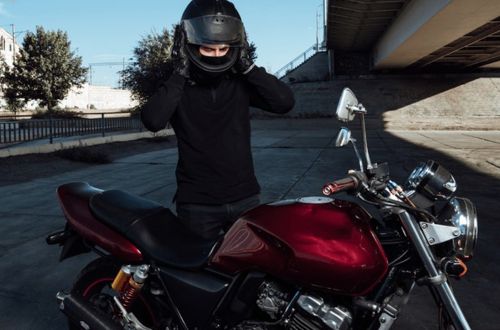
California Vehicle Code Section 27803 mandates the use of specific headgear for motorcycle riders and passengers. Compliance with these helmet laws is required for anyone operating a motor-driven cycle or motorized bicycle on public lands. This rule applies to everyone on the motorcycle regardless of age or previous riding experience. (A quick thought: riding without one simply isn’t worth the risk).
What Are the Federal Compliance Standards?
The federal government provides clear instructions for what constitutes a safe piece of equipment. Every rider must use a helmet that aligns with the standards set by the Department of Transportation.
These devices must fit snugly and possess a thick inner liner for impact absorption. (It’s really about having that extra layer of foam between the skull and the pavement).
Why Is Head Protection Significant?
Statistics from the National Highway Traffic Safety Administration show that helmets saved 1,872 lives during a single calendar year. Data suggests that headgear is roughly 37 percent effective in preventing motorcycle deaths. These numbers highlight the impact of following safety codes on the road.
What Do State Reports Suggest?
The California Highway Patrol indicates that head injuries represent a primary factor in fatal motorcycle collisions. Reports from state agencies suggest that wearing the correct gear can reduce the risk of a serious brain injury by nearly 70 percent. These findings support the continued enforcement of strict safety regulations for two-wheeled vehicles.
Features of a Helmet
A legal helmet must possess distinct characteristics to pass inspection. The construction must be solid to withstand significant force during an accident.
- A thick inner liner made of expanded polystyrene foam.
- The outer shell must be free of any rigid spikes.
- A permanent sticker reading “DOT” must be visible.
- The device should weigh three pounds.
- Sturdy chin straps.
How Age Changes the Requirements
Note that minors face stricter rules when it comes to cycles. Anyone under 18 years old must wear a helmet on bicycles, non-motorized scooters, and skateboards. This legal safety net aims to protect younger residents from injuries.
Low-Speed Electric Bikes
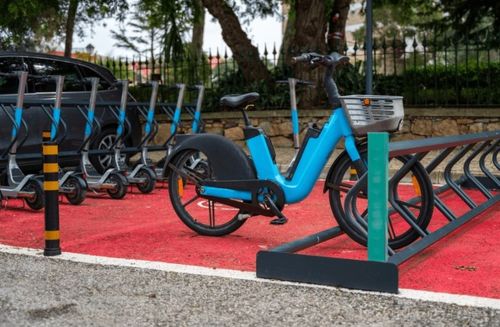
Electric bicycles fall into three different classes with varying rules for each. Riders on Class 3 electric bikes must wear a helmet at all times regardless of age. Those on Class 1 or Class 2 bikes only have a legal requirement to wear one when they are under 18.
Penalties for Non-Compliance
Law enforcement officers frequently monitor roads to check for proper safety gear. A person caught without a helmet faces a ticket that includes a base fine plus extra court fees. These costs can add up quickly and lead to points on a driving record in certain situations.
Closing Thoughts
Following state safety regulations keeps the roads safer for each person sharing the lane. These rules are in place to lower the chance of tragedy as well as protect the riding community. Staying updated on legislative changes helps provide a smoother experience.
Summary Box
- All motorcycle riders and passengers must wear DOT-certified helmets.
- The law applies to motorcycles as well as motorized bicycles.
- Helmets must feature a thick inner liner.
- Minors must wear helmets on bicycles, scooters, and skateboards.
- Class 3 electric bike riders are required to wear head protection regardless of age.
- Fines for missing gear can include base penalties as well as additional court costs.
About the Author