Mountain trips are showing up in travel plans more often because people are tired of feeling rushed, even while on vacation. Many trips still look relaxing on paper but end up packed with movement, noise, and constant decisions. Mountains offer something different. They create distance without requiring effort. The surroundings do part of the work, which makes it easier to slow down without actively trying to.
That’s a big reason places like Gatlinburg, TN, continue to draw interest. The area gives people room to breathe while still feeling accessible and familiar. You can wake up surrounded by scenery, step outside without a plan, and let the day take shape as it goes. This kind of ease fits how many people want to travel in 2026, with less structure and fewer expectations.
Accommodations That Feel Part of the Landscape
Where you stay has started to matter differently. It’s no longer just about having a place to sleep. Travelers want their accommodations to feel connected to the setting, not sealed off from it. When lodging feels grounded in its surroundings, it changes how the whole trip feels. Arrival feels calmer. Even downtime feels intentional.
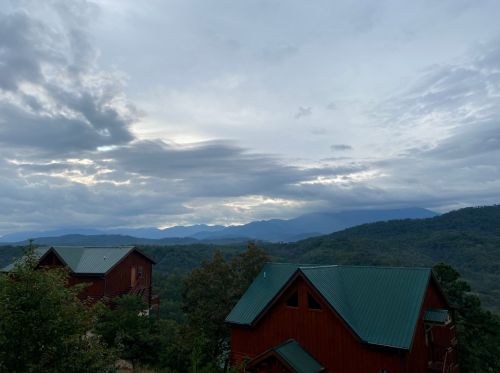
That’s why cabins in Gatlinburg TN keep coming up in travel conversations. Many options through Heritage Cabin Rentals are positioned to highlight views, privacy, and quiet without feeling isolated. Being able to look out over the landscape from where you’re staying makes the destination feel present even during rest. For a lot of travelers, that connection has become just as important as location.
Outdoor Access Without Structured Activities
Another reason mountain getaways are gaining traction is how simple it is to spend time outdoors. There’s no need to plan around schedules or reservations. Nature is just there. You can step outside for a short walk, sit with a view, or head back in whenever you want.
This flexibility takes pressure off the day. Outdoor time doesn’t have to be a commitment. It can be brief, casual, or unplanned. This ease is appealing to travelers who want options without obligation. Mountains make it possible to enjoy nature without turning it into a task.
Longer Stays That Actually Feel Comfortable
Mountain destinations tend to work well for longer stays because they don’t rely on constant novelty. The environment itself changes throughout the day. Light shifts, weather moves through, and views feel different in the morning than they do in the evening. This subtle variation keeps things interesting without needing to go anywhere.
Because of that, staying longer doesn’t feel repetitive. Travelers settle in instead of bouncing around. Days stretch out naturally, and there’s less pressure to move on. This slower approach matches the growing preference for fewer trips that last longer and feel more settled.
Cooler Climates Outside the Usual Travel Windows
Climate plays a quieter role in why mountain trips are becoming more popular. Cooler temperatures make travel feel comfortable during times of year that feel overwhelming in other places. That opens up options beyond the usual peak seasons.
Traveling outside those crowded windows changes the experience. Places feel calmer. Availability improves. The trip feels less compressed. Mountain regions benefit from this shift because their climates stay appealing across more of the year, which fits how people are spreading travel out in 2026.
A Natural Balance Between Activity and Rest
Mountain trips don’t force a constant decision between doing something and doing nothing. The setting allows both without friction. You can move when you feel like it and slow down just as easily. Neither choice feels like a compromise.
This balance is a big part of the appeal. Travelers don’t feel pushed to keep up or fill time. The day can hold activity and rest without planning around it. For many people, that ease is exactly what’s missing from other types of trips.
Restorative Without Trying
One reason mountain getaways keep growing is that they don’t ask much from travelers. The environment itself does most of the work. Quiet, open space, and consistent scenery create a sense of ease without needing a plan to support it. You don’t have to schedule relaxation or build recovery time into the day. It happens as a byproduct of being there.
This kind of restoration feels different from trips built around activities or experiences. There’s less effort involved and fewer decisions to manage. Sitting still feels acceptable. Leaving the day mostly untouched doesn’t feel like wasted time. For many travelers, that simplicity is the appeal. The setting provides enough on its own.
Personal, Not Curated
Mountain trips tend to feel more personal because they don’t come with a fixed script. There’s no single right way to experience the day. Some people spend hours outside, others barely leave their cabin. Both feel valid.
This lack of curation removes pressure. Travelers aren’t trying to replicate someone else’s experience or follow a predefined version of the destination. Days take shape based on mood, energy, and curiosity. The freedom makes the trip feel like it belongs to the people taking it, not the place hosting it.
Feeling Over Itinerary
Trips are increasingly measured by how they feel rather than what they include. Mountain getaways can help achieve this agenda. The sense of calm, space, and mental distance from routine becomes the takeaway, not a list of places visited. Even uneventful days feel complete.
When feeling becomes the focus, planning changes. Fewer decisions are locked in. There’s less pressure to maximize time. The day can stay simple and still feel meaningful. This mindset aligns with how many people want to travel moving into 2026, with less structure and more attention to experience. Mountain getaways are gaining popularity because they support a different way of traveling. They allow people to slow down without forcing it, stay present without planning for it, and rest without feeling unproductive. Places like Gatlinburg often work well for this by offering environments that feel immersive, flexible, and grounded. As travel continues to move away from packed itineraries and toward meaningful time away, mountain destinations are becoming the natural choice.
About the Author