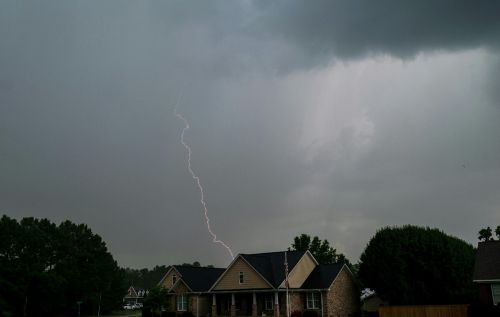
You don’t really think about your windows until the rain starts hitting them sideways at two in the morning. The wind pushes, the glass rattles, and you lie there listening, hoping everything holds. In the daylight, the house looks solid. At night, during a storm, you notice every weak point.
In West Palm Beach, the weather is not just background noise. The sun beats down hard most of the year, and when storms roll in, they arrive with force. Humidity seeps into small openings. Salt air wears on metal parts. For homeowners, the idea of a beautiful home cannot be separated from protection. The climate demands more from roofs, windows, and doors. And daily life feels easier when those elements are built to handle what the sky throws at them.
Choosing the Right Windows
Windows are often the first place where weather tests a home. Standard glass can crack under flying debris or heavy pressure changes. Frames can warp with heat. Once that seal breaks, water and wind find their way inside. The damage spreads quietly, soaking insulation and drywall before anyone notices.
Impact-rated windows were developed to handle those stresses. They use layered glass with a strong inner membrane that holds pieces together even if the outer layer cracks. The frame systems are reinforced to resist pressure shifts. Beyond storms, they also reduce outside noise and help control indoor temperatures, which matters more than people expect.
In West Palm Beach impact windows keep homes protected from the harsh weather conditions. These windows combine strength with clean design lines. The look has improved over the years. Frames are slimmer. Glass is clearer. You don’t have to choose between a heavy, industrial feel and something that fits a modern or coastal style.
Roofing That Does More Than Cover
A roof is easy to ignore when it isn’t leaking. From the street, it looks fine. Up close, small issues begin to show. Shingles curl at the edges. Flashing pulls away slightly near vents. Under intense sun, materials expand and contract every day, and over time, that movement creates fatigue.
Weather-resistant roofing doesn’t have to look bulky or dull. Metal roofing, for example, now comes in finishes that mimic slate or tile. High-quality asphalt shingles are made with stronger adhesives and wind ratings that hold up better in severe storms. Clay and concrete tiles offer durability while still maintaining a classic look.
Color matters too. Lighter shades reflect heat, reducing the strain on cooling systems. That’s not just about comfort. It lowers long-term energy use. In a time when more people work from home, interior temperature control has become part of daily productivity. A roof that supports that comfort quietly adds value.
Doors as Structural Anchors
Front doors and patio doors often serve as design focal points. They are photographed, decorated, and styled. Yet they also act as structural anchors during high winds. A weak door can compromise the integrity of the surrounding wall.
Solid-core doors, reinforced hinges, and multi-point locking systems make a difference. Sliding glass doors, once considered fragile, now come with impact-rated glass and reinforced tracks. The key is balance. A door should feel welcoming, not like a bunker entrance.
Seals around doors deserve attention as well. Even small air leaks allow moisture to enter, which leads to swelling and warping. Weather stripping may not be glamorous, but it plays a role in keeping interiors stable. Design and durability are not separate ideas. They work together.
Blending Style with Structural Integrity
There’s a common fear that stronger materials mean sacrificing style. That used to be true in some cases. Early storm-resistant products were bulky and limited in design options. That has changed.
Manufacturers now understand that homeowners want clean sightlines and natural light. Large glass panels are still possible with reinforced framing. Custom colors are available. Hardware can match interior design choices rather than clash with them.
Open floor plans remain popular, and large windows help maintain that airy feel. The trick is specifying materials that meet local wind codes without overpowering the aesthetic. It takes planning. Sometimes it requires adjusting expectations slightly. But compromise doesn’t have to mean downgrade.
Managing Water and Drainage
Weather resistance is not only about surviving wind. Water is often the quieter threat. Poor drainage around a home can undermine even the strongest materials. If gutters overflow or downspouts direct water toward the foundation, problems follow.
Modern gutter systems are designed to handle heavier rainfall. Guards can reduce debris buildup. Proper grading around the home ensures water flows away rather than pooling near walls.
Exterior siding also plays a part. Fiber cement and engineered wood products resist moisture better than traditional materials. They can be painted in almost any color, allowing design flexibility. What matters is how all these pieces connect. A weather-resistant home functions as a system.
Windows, Light, and Daily Living
Natural light affects mood, focus, and even sleep patterns. That’s not marketing language. It’s something people notice when they spend more time indoors. Large windows and glass doors help create that connection to the outdoors.
At the same time, glare and heat can become problems in warmer climates. Impact-rated glass often includes coatings that reduce ultraviolet rays and limit heat transfer. This keeps interiors cooler without blocking light entirely.
It’s a subtle improvement. Rooms feel bright but less harsh. Furniture fades less quickly. Energy bills shift downward over time. These benefits accumulate quietly, which is often how good design works.
Thinking Long-Term, Not Just Immediate
Design trends shift. Paint colors change. Landscaping evolves. Structural elements like windows, roofing, and doors are longer-term decisions. Replacing them too often becomes expensive and disruptive.
Weather-resistant upgrades may cost more upfront. That’s true. But they reduce repair frequency and often lower insurance premiums in storm-prone regions. They also protect interiors—floors, cabinetry, electronics—from sudden exposure to the elements.
The goal isn’t to create a fortress. It’s to create a home that feels open, calm, and secure at the same time. A place where you can enjoy a storm from inside without worrying about what might fail. A weather-resistant home is built in layers. Reinforced glass. Durable roofing. Sealed doors. Managed drainage. Each component supports the others. If one fails, the system weakens. Style does not need to be sacrificed in the process. It’s about thoughtful choices made before problems appear. When those choices are made well, the result feels simple. The house stays quiet during storms. The temperature stays steady. And you sleep through the night without listening for rattles.
About the Author