Overbite is not merely an aesthetic problem. Overlapping of your upper front teeth over your lower teeth results in uneven wearing of the tooth enamel, pain in the jaw that develops gradually over months, and even difficulty chewing. Having worked with patients for many years, I can say that success or failure of a given treatment depends not on the type of appliance but rather on how the appliance works together with your jaw position.
So let’s get into the real options, the ones orthodontists actually reach for.
What’s Actually Driving the Overbite?
Here’s the thing most people don’t realize until their first consultation: not all overbites are created equal. There’s the dental kind, where the teeth themselves just aren’t lined up right. And then there’s skeletal — where the upper and lower jawbones are mismatched in size or position. Same visible problem, completely different fix.
When patients explore overbite braces treatment options, understanding this distinction is crucial because a dental overbite can often be corrected with standard aligners or traditional brackets alone, whereas a skeletal mismatch may require additional appliances or surgical intervention to achieve proper alignment.
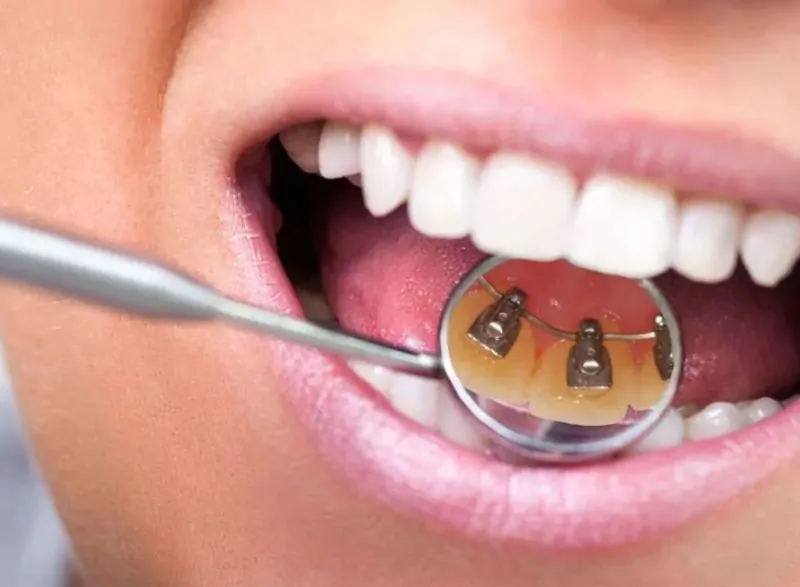
Traditional metal brackets and wires are still the workhorse here. Unglamorous, sure, but for a severe vertical overlap or serious jaw discrepancy, nothing controls tooth movement quite as reliably.
Ceramic brackets do basically the same job — same wires, same mechanics — but the tooth-colored or clear material means they don’t scream “braces” across a room. Good for adults who need the control but not the look.
Self-ligating systems swap out the elastic ties for little clips built into the bracket. Less friction. Teeth glide instead of grinding into place, which some patients find more comfortable week to week.
And then there’s clear aligners — trays like Invisalign — for the milder dental cases. Removable, nearly invisible, but they’ve got limits. I wouldn’t recommend them for a skeletal overbite; they just don’t have the leverage.
What Actually Happens Once You Start Treatment
Every case is different, but there’s a rhythm to it.
First comes the diagnostic phase. Digital scans, panoramic X-rays, facial photos — the orthodontist is measuring exactly how much overlap you’ve got and figuring out whether jaw growth needs to be guided or if it’s purely a tooth-movement problem. This step matters more than people give it credit for. Skip a thorough workup and you risk a treatment plan built on guesswork.
Once appliances go on, the real force application begins. A few tools show up again and again:
Elastics — the rubber bands connecting upper and lower arches to actually pull the bite into position. Hate them or not, they work.
Bite ramps, tucked behind the front teeth, which stop the back teeth from fully closing so the posterior teeth have room to erupt or shift.
And in more severe cases, something like a motion appliance gets used early on, before brackets even go on, to nudge the back segments into a better starting position.
From there it’s a matter of check-ins. Wires get adjusted, elastics get reconfigured, progress gets tracked visit by visit.
The Stuff Nobody Warns You About
Hygiene becomes a whole different animal with brackets and wires in the mix. Plaque loves to hide around brackets, and if gums get inflamed, tooth movement slows down or stalls outright. Interdental brushes, a water flosser, fluoride rinse — none of it’s optional if you want to stay on schedule.
If elastics are part of your plan, wear them. Every single day, as prescribed. I’ve seen patients skip a few days here and there thinking it won’t matter — it does. Inconsistent wear resets the progress the teeth have already made, and treatment that should’ve wrapped in 18 months stretches into two years or more.
And once the braces come off? That’s not the finish line. Bone and ligament tissue need real time to stabilize around the teeth in their new spots. Skip the retainer, even for a few months, and you’re gambling with results you just spent a year or two earning.
Realistic Timelines: How Long Will It Take?
What to cover:It is necessary to point out that treatment depends on the kind of problem; the dental problem can last from 12-18 months, while the skeletal one can last from 2-3 years. It is important to say that cooperation is very important in this case.
Cost Issues and Selecting the Right Orthodontist
What to cover: Discuss how the whole procedure can be expensive, with ceramic or invisible braces being especially costly. Remember that insurance may cover a certain part of the cost and stress the importance of choosing an orthodontist who will prioritize the stability of jaws over their fast appearance.
Why Bother With All This
Fixing an overbite isn’t just about a straighter smile for photos. It’s about protecting enamel that would otherwise wear down unevenly, taking pressure off the jaw joint, and just — functioning better when you eat and speak. If you’re weighing your options, talk to a certified orthodontist who can help you explore overbite braces treatment options, look at your bite, and tell you what’s driving it. That’s the only way to know which of these approaches fits your mouth, not just your budget.
About the Author