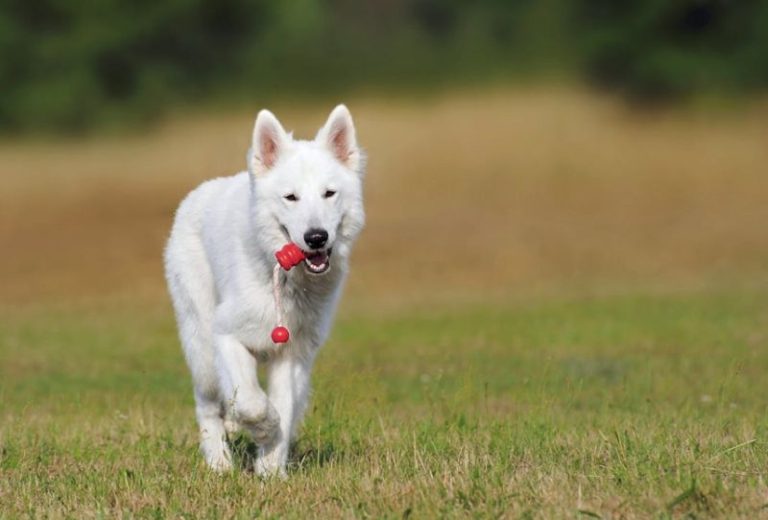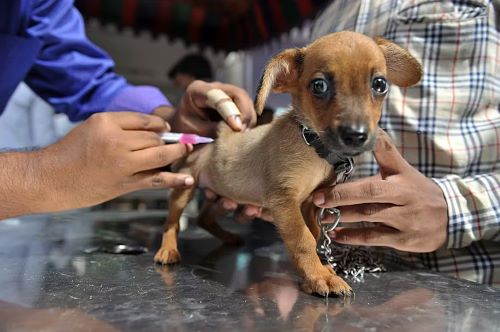
About 4% of dogs and 12% of cats remain unvaccinated against rabies.

By Dr. Simon F. Haeder
Associate Professor of Public Health
Texas A&M University
Introduction
When most people think about vaccines, they typically think about humans: Experts warn that when large numbers of people are unvaccinated, it can lead to severe consequences, including disease outbreaks and higher rates of illness and death, particularly among the most vulnerable. The economic costs to society can also be substantial.
However, vaccines also provide important protections for our nonhuman companions, including the most common pets: dogs and cats.
Yet, as my research published in 2024 in the American Journal of Veterinary Research and the journal Vaccine indicates, vaccine hesitancy is beginning to spill over into some people’s decisions about whether to vaccinate their pets.
Vaccines and Pets
A large body of research has confirmed that U.S. Food and Drug Administration-approved vaccines are safe for most people. Yet vaccines have never been universally accepted, dating back to the first inoculations against smallpox. Vaccine hesitancy, or concerns over getting vaccinated, has only intensified in the wake of the COVID-19 pandemic.
Growing concerns about vaccines have important implications that go well beyond the individual making decisions about whether or not to get vaccinated.
Vaccines generally work through two important pathways. First, for the vaccinated individual, they provide direct protection by reducing the risk of contracting a disease; they also reduce the severity of a disease.
Vaccines also provide an indirect form of protection for society at large through a process commonly known as “herd immunity.” This occurs when a high percentage of people in a community have developed immunity, ensuring that future outbreaks affect fewer individuals and are quickly contained.
Humans, of course, are not the only species that benefits from the direct and indirect protections of vaccines. However, so far, very little research has examined vaccination in nonhumans.
My recent work specifically sought to extend scientific knowledge about dog and cat owners by using large, national surveys. Many of the findings were positive: The vast majority of cats and dogs have received core vaccines, which provide protection against rabies and other dangerous diseases. Core vaccines are those vaccines that are recommended for all dogs and cats.
Moreover, three-quarters of pet owners trust their veterinarian when it comes to vaccines. And even higher percentages felt confident discussing vaccine-related concerns with their veterinarian. They also understand that many vaccine-preventable pet diseases can be severe.
Pet owners also wanted their neighbors to vaccinate their pets: Most dog and cat owners, more than 80%, supported vaccination requirements for various core and noncore vaccines.
Yet, other findings raise concerns. Most prominently, my study, published in late 2024, identified 22% of dog owners and 26% of cat owners as vaccine hesitant regarding their pets. And although most pets were vaccinated against common diseases, a minority were not. This includes about 4% of dogs and 12% of cats that remained unvaccinated against rabies. For other diseases like parvovirus and distemper, vaccination rates were even lower. The study confirmed similar findings from my earlier 2023 study.
In the same 2024 study, many of the concerns raised by pet owners mirror those of humans: More than half of pet owners question the effectiveness of vaccines.
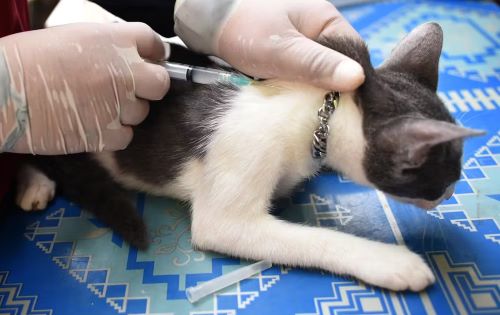
A similar percentage was concerned about vaccine safety and side effects. Many believed it was better for pets to contract a disease to get immunity than to get vaccinated. About 60% of pet owners thought that pets receive too many vaccines. Strikingly, nearly all pet owners preferred fewer vaccines to be administered to their pets at a time.
Going Forward
When people choose to not vaccinate their pets, it can have important implications for society.
The most immediate impact will be on pet owners. Unvaccinated pets face a higher risk of illness and death from preventable diseases; although vaccines are not completely effective, and in some cases even vaccinated pets may be affected. This may impose substantial financial and emotional costs on their owners.
Veterinarians will also be affected. They may encounter pets with diseases they may not expect to see or have had limited exposure to in the past. The same holds for other professions dealing with pets, including groomers, boarders and walkers.
There are also broader implications for public health: Encounters with rabies, in particular, may become more common. Humans may be directly affected if they are bitten by an infected pet. Pets also come into contact with wildlife, increasing the potential for the further spread of rabies.
From a public health perspective, low vaccination rates for pets are just as concerning as those for humans. I believe that a comprehensive public health strategy is crucial for addressing the growing concerns among pet owners regarding vaccines. Such a strategy should not simply dismiss pet owners’ concerns as conspiracy theories, but should instead adopt a thoughtful approach that takes individuals’ specific concerns seriously.
Originally published by The Conversation, 01.14.2025, under the terms of a Creative Commons Attribution/No derivatives license.
About the Author