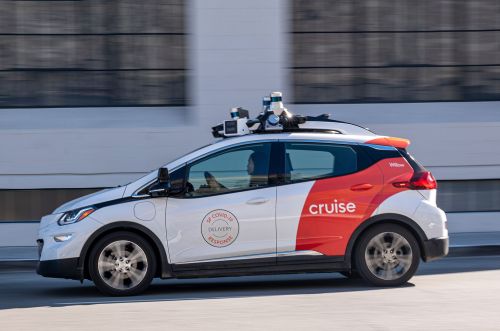
Automakers are rapidly advancing autonomous vehicle technology, pushing the boundaries to develop vehicles that are futuristic concepts and safer and more efficient modes of transportation, such as robotaxis.
However, rolling out new technology often brings its fair share of hiccups. Take GM’s Cruise division, for example. They recently encountered a considerable setback when one of their robotaxis dragged a passenger several feet, which resulted in serious personal injury.
This incident drew the attention of regulators all over the US, sparking investigations and compelling GM to commit to major changes to prevent a recurrence.
“This setback for GM Cruise might just put a temporary brake on the accelerated push towards fully autonomous vehicles. It’s evident that there’s still considerable ground to cover in ensuring these systems are foolproof and public trust is established,” says Indiana personal injury attorney Steve Fleschner of Fleschner, Stark, Tanoos & Newlin.
A Closer Look
Things got pretty dicey for GM’s Cruise robotaxis back in October 2023. One of their autonomous cars was involved in a disturbing accident that turned up the heat on them. Here is what happened: a conventional car initially collided with a woman, then a Cruise robotaxi made things worse by hitting her again and dragging her nearly 20 feet.
Naturally, this drew plenty of unwanted attention from regulators wanting to see how GM Cruise’s top brass handled the situation. According to regulators, Cruise’s response was appalling, which set off an intense investigation.
Ripple Effects Across the Robotaxi Industry
After the GM Cruise fiasco, eyes weren’t just on them but on the robotaxi industry as a whole. Big names like Waymo, Zoox, and Argo AI had to prove their cars were safe.
Regulators started cracking down hard. California even yanked GM Cruise’s license to operate autonomously; a serious hit that hinted at tighter rules for robotaxi safety in the industry.
Transparency Issues at Cruise
The ordeal with GM Cruise’s robotaxi put a big spotlight on more than just operational slip-ups; their communication drew flak. Critics and regulators noticed the company was playing it a bit too cool, focusing more on preserving its image than being clear and honest in its public messages.
They failed to fix the problem even when they could correct the wrong information.
Cruise’s Executive Overhaul
Following the backlash from the unfortunate dragging incident, GM’s Cruise has really shaken things up at the top. The commotion led to big departures, including then-CEO Kyle Vogt and Chief Operating Officer Gil West. They also let go of nine other executives as part of a bigger shake-up within the company.
To tighten the ship and sharpen its focus on current difficulties, co-founder Dan Kan stepped down, and the company reduced its crew by a quarter. These bold moves are all about rebuilding trust and doubling down on commitments to safety and openness.
Cruise Under Financial Pressure
In a significant move by California regulators in December, they informed GM’s Cruise that it could face penalties reaching $1.5 million alongside other sanctions due to inadequate disclosure regarding the accident details.
This revelation comes at a time when Cruise operated hundreds of unmanned robotaxis across California and Texas, to monetize their services while honing the technology.
Despite the setback, Cruise remains enthusiastic about its chances and has declared intentions to resume public testing. However, details about the sites and timing remain unknown.
Final Takeaway
The autonomous vehicle industry continues to draw the attention of regulators, given that the technology requires more real-world testing and tweaking before the public can completely rely on it. GM Cruise’s distasteful response to a tragic incident didn’t help those in the field trying to further promote the use of these vehicles.
Industry players must pay more attention to the safety of their users and ensure safeguards are in place before they can establish complete trust and a favorable public perception of this technology.
About the Author