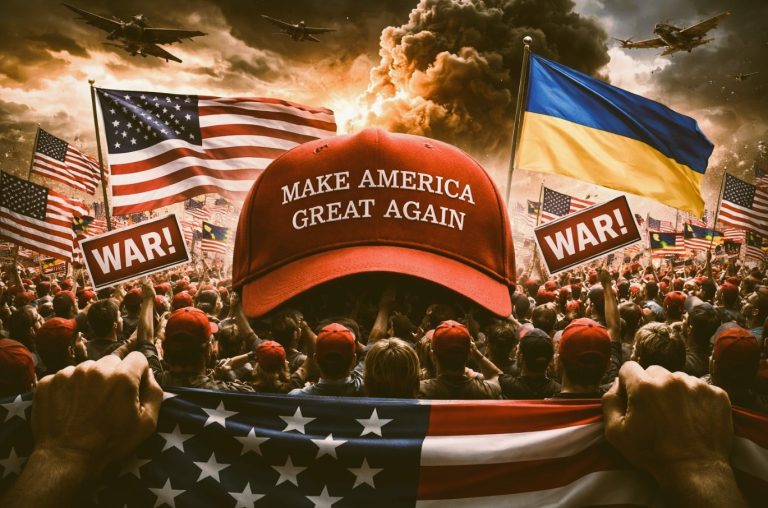
As Eastern Europe slides into a new era of fear and uncertainty, the White House steadfastly follows a path paved by Russian strategists who once roamed the halls of the KGB.
Veteran journalist Craig Unger has tracked Trump’s relationships with Moscow for years He laid out evidence that Trump was carefully groomed as a Russian asset beginning in the 1980s. Less than a week after the bombshell report, Trump used his platform at the United Nations to dismiss Ukraine’s pleas and embrace Vladimir Putin’s narrative on Eastern Europe.
His statements cemented the idea that a decades-long foreign plot had successfully infiltrated the Oval Office, transforming the United States into a vessel for Moscow’s ambitions.
Many Americans once dismissed reports of Trump’s ties to Russian intelligence as wild conspiracy theories. Yet Unger’s findings, presented in his books “House of Trump, House of Putin” and “American Kompromat,” outline a consistent chain of events stretching back more than 40 years.
Soviet operatives, later replaced by Russian oligarchs, funneled suspicious cash into Trump’s real estate deals and played upon his narcissistic vanity. Over time, the strategy shaped Trump’s worldview to align seamlessly with the Kremlin’s long-term interests. Today, Russia reaps enormous gains as the White House methodically undermines Western unity, weakening NATO, and eroding confidence among America’s most vital allies.
The pattern was on full display during Trump’s U.N. address, where he castigated Ukraine for “bringing its troubles on itself” and chided Europe for failing to “handle its own backyard.”
In those remarks, he reversed decades of bipartisan consensus that the United States should confront unprovoked aggression in Europe. Instead of backing a nation under siege, Trump effectively blamed Kyiv’s government for the devastation wrought by Russian firepower.
Putin’s state media wasted no time broadcasting those segments, painting the U.S. president as an enlightened leader who recognizes the Kremlin’s alleged right to expand its sphere of influence.
Unger’s new revelations sent shockwaves through Washington circles. Once portrayed by supporters as a patriotic firebrand, Trump now looks more like a Trojan horse carefully cultivated by Russian intelligence. The journalist’s interview with the Kyiv Independent highlighted key phases of infiltration: financial bailouts for Trump when U.S. banks shunned him, orchestrated praise from Russian figures, and direct contact with individuals linked to the KGB’s successor services.
The result, Unger insisted, was a president whose foreign policy systematically furthers Moscow’s objectives — even if he never receives direct orders. In intelligence parlance, that is the very definition of an “asset.”
READ ENTIRE ARTICLE AT MILWAUKEE INDEPENDENT
About the Author