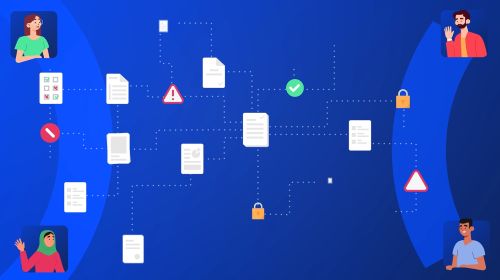
Streamlined processes shape successful organizations. Companies look for solutions that consolidate information and empower teams to act faster. Manual spreadsheets take time and create hiccups every step of the way. Automation clears roadblocks and provides clear visibility across business units. When teams can view tasks, controls, and insights in one place, productivity multiplies.
The first steps toward operational efficiency start with the decision to implement modern tools. GRC software plays a pivotal role within the first 100 words, providing structure and clarity in complex environments. It improves how departments communicate and adapt. Decisions reach stakeholders quickly, and everyone works from the same set of priorities.
Real-Time Visibility Fuels Faster Response
Operations accelerate when leaders see risks and progress in real time. Teams react to emerging trends with greater confidence, allocating resources where they have the biggest impact. Legacy systems hide vulnerabilities and slow reaction cycles. Robust GRC platforms place actionable insights at users’ fingertips. Visibility extends across business functions, whether in compliance, risk oversight, or audit responsibilities. Managers rely on dashboards to monitor activity without second-guessing or delays. This connected approach keeps everyone focused and aligned on what matters most.
Breaks Down Siloes for Seamless Collaboration
Departments work more effectively when barriers disappear. Siloed communication results in duplicate work and missed deadlines. Modern compliance platforms foster integrated approaches that ensure compliance and risk management move in step. Stakeholders share a common language and goal. Cross-functional teams collaborate effortlessly, sharing documents and data securely. With configurable access levels, team members maintain ownership and keep sensitive information safe. This transparency drives team engagement and speeds up project outcomes.
Proactive Risk Management Becomes Second Nature
Mitigating risk means staying ahead rather than scrambling after issues have emerged. Automated controls alert teams to policy violations or new regulatory requirements. Instead of hunting through scattered records, stakeholders resolve threats before they escalate. Risk scoring tools prioritize areas that need the most attention, so managers dedicate resources where they’ll make a difference. Centralized records limit the risk of manual mistakes and gaps in compliance. Automated notifications prompt action and reduce downtime across operations.
Adapts to Changing Regulatory Demands
Organizations face constant changes in regulatory landscapes. Keeping pace requires scalable systems that support multiple frameworks, whether a business needs GDPR, ISO, SOC, or regional standards. Built-in templates and clear workflows let managers ramp up new processes without confusion. No-code configurations allow teams to customize controls as business needs grow. Growth remains unhindered as compliance objectives shift. A modular platform supports these changes with minimal disruption, letting managers focus on the company’s goals.
Successful Implementation Begins with Clear Objectives
Setting distinct operational goals forms the backbone of efficient software adoption. Team members and stakeholders should work together to pinpoint crucial needs within risk, compliance, and audit programs. Collaboration ensures that the platform rollout aligns with strategic business priorities. Customization and integration empower organizations to adapt technology to suit existing workflows. Training plans and ongoing support drive consistent user adoption, paving the way for meaningful improvements in daily operations.
Solutions that boost efficiency and lower risk create an edge that stands the test of time. Leadership benefits from instant reporting tools and meaningful analytics. Continuous improvement in risk oversight keeps organizations nimble as conditions change. GRC software forms the backbone of these transformations, enabling companies to thrive regardless of uncertainty ahead. Unifying operations paves the way for long-term growth and resilience.
About the Author