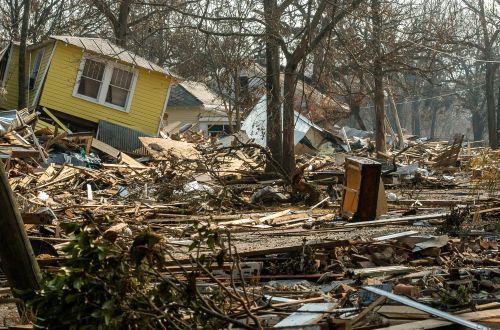
Every year, storms jeopardize thousands of communities. Risk planning is essential, especially when it comes to securing homes located in hurricane-prone areas. Proper preparation keeps families and properties safe during inclement weather and provides peace of mind as storms approach.
Assessing Potential Hazards
First, begin with threats unique to the location. The communities along the coast are under threat from natural disasters such as storm surges and flooding, and some neighborhoods in the inland are struggling with high winds and heavy rain. But if you check historical weather records, it becomes clear which risks should be prioritized. Knowing these factors, homeowners can determine which precautions to implement first.
Evaluating Home Vulnerabilities
Understanding how to prepare house for hurricane conditions begins with evaluating your home’s weaknesses. Older windows and doors may struggle against the heavy winds. Roof structures sometimes lack reinforcement. A survey of the space identifies areas that require attention. By replacing worn materials and reinforcing weak areas, the need for extensive, expensive repairs after a storm is greatly reduced.
Securing Windows and Doors
The strength of hurricanes is such that they typically blow windows outward, allowing wind and rain to enter your house. Impact-resistant glass or shutters protect against debris. Heavy-duty bolts and frames are an advantage for doors. This reinforces entry points, protecting interiors from torrential downpours or heavy snowfall, even during the most powerful storms. By continually checking these features, you ensure their reliability.
Roof Reinforcement
Roofs bear the brunt of hurricane winds. Fasten shingles and tiles properly. Look into hurricane straps or clips that tie the roof to the walls. Look for anything loose and replace it, if applicable. Everything below is well protected by a solid roof that also keeps water out.
Water Damage Prevention Steps
Floods damage homes extensively. Raise critical systems, such as electrical boards and heating elements. Sandbags can hold back the water from entering the vulnerable areas. Landscaping can divert runoff away from foundations. To avoid standing water in living areas, we have sump pumps or backflow valves installed.
Maintaining Yard Safety
During storms, unsecured outdoor items pose a hazard. For hurricanes, move furniture, grill, and gardening tools indoors. Regularly trim trees and shrubs to eliminate frail branches. Well-kept yards actually minimize windswept debris from blowing windows, roofs, or parked vehicles into submission, to add to the mayhem.
Emergency Supplies and Planning
Stock up on supplies far in advance of hurricane season. Purchase water, canned goods, torches, batteries, and medical supplies. Create a list of emergency contact numbers, and discuss family evacuation routes. When evacuation becomes necessary, it is always best to be prepared by regularly practicing the proper drills.
Insurance Review and Documentation
Insurance for storms covers parties for damage from storms. Make sure your home and the property inside it are covered with the appropriate level of protection policies. Take pictures or video documenting possessions and property conditions before storms come. So, if you suffer a loss, having these records above will make it easier to claim from your insurance.
Developing a Communication Strategy
Being informed protects families during emergencies. The first step to knowing what the weather is like is to pack up your favorite local news sources. Choose a place for the family to meet if they are separated. Discussing plans with neighbors can go a long way in improving neighbourhood safety during storms.
Routine Maintenance Checks
Regular inspections can detect problems before bad weather comes. Remove dirt from gutters and drains to prevent water from backing up. Inspect window and door seals for any gaps. Weather stripping deteriorates over time, so place replacement to help keep out wind and rain. Fixing small problems now could help avoid bigger issues when hurricane season hits.
After the Storm: Safety Steps
After the storm has passed, inspect the property for damage. Avoid downed power lines, standing water, and unstable structures. Do not use wet electrical appliances until they have been checked by professionals. Take photos of any damage for insurance purposes and get on with the repairs as soon as the authorities confirm it is safe to do so.
Conclusion
Creating a home protection plan for hurricane-prone areas requires thorough preparation, ongoing assessment, and consistent maintenance. From reinforcing your home to storing porch items, stocking up on essentials, and updating your insurance, families can prepare for hurricane season with confidence. However, regular maintenance, communication, and clarity among household members about what to do to help during a crisis are essential to keeping people safe.
About the Author