Snark subreddits act as a regulatory guardrail in an industry that has gone largely unchecked.

By Dr. Jessica Maddox
Assistant Professor of Journalism and Creative Media
University of Alabama

By Dr. Jess Rauchberg
Assistant Professor of Communication Technologies
Seton Hall University
Introduction
Since 2020, content creator Remi Bader had accumulated millions of TikTok followers by offering her opinions on the fits of popular clothing brands as a plus-size woman.
In 2023, however, Bader appeared noticeably thinner. When some fans asked her whether she’d undergone a procedure, she blocked them. Later that year, she announced that she would no longer be posting about her body.
Enter snark subreddits. On Reddit, these forums exist for the sole purpose of calling out internet celebrities, whether they’re devoted to dinging the late-night antics of self-described “hot mess” Alix Earle or venting over Savannah and Cole LaBrant, a family vlogging couple who misleadingly implied that their daughter had cancer.
While the internet is synonymous with fan culture, snark subreddits aren’t for enthusiasts. Instead, snarkers are anti-fans who hone the art of hating.
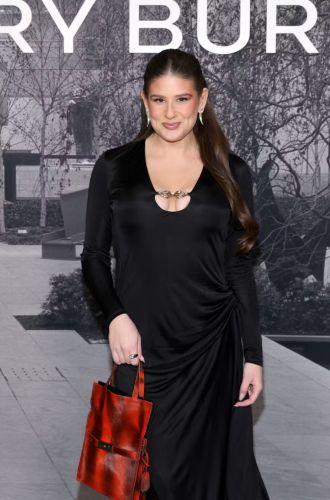
After Bader’s refusal to talk about her weight loss, the Remi Bader snark subreddit blew up. Posters weren’t upset that Bader had lost weight or had stopped posting about her body size. Instead, they believed Bader the influencer, who’d built her brand on plus-size inclusion in fashion, wasn’t being straight with her fans and needed to be taken to account.
It worked. During a March 2025 appearance on Khloe Kardashian’s podcast, Bader finally revealed that she had, in fact, had weight-loss surgery.
Some critics see snarkers as a big problem and understandably denounce their tendency to harass, body shame and try to cancel influencers.
But completely dismissing snark glosses over the fact that it can serve a purpose. In our work as social media researchers, we’ve written about how snark can actually be thought of as a way to call out bad actors in the largely unregulated world of influencing and content creation.
Grassroots Policing
Before there were influencers, there were bloggers. While bloggers covered topics that ranged from entertainment to politics to travel, parenting and fashion bloggers probably have the closest connection to today’s influencers.
After Google introduced AdSense in 2003, bloggers were easily able to run advertising on their websites. Then brands saw an opportunity. Parenting and fashion bloggers had large, loyal followings. Many readers felt an intimate connection to their favorite bloggers, who seemed more like friends than out-of-touch celebrity spokespersons.
Brands realized they could send bloggers their products in exchange for a write-up or a feature. Furthermore, advertisers understood that parenting and fashion bloggers didn’t have to adhere to the same industry regulations or code of ethics as most news media outlets, such as disclosing payments or conflicts of interest.
This changed the dynamic between bloggers and their fans, who wondered whether bloggers could be trusted if they were sometimes being paid to promote certain products.
In response, websites emerged in 2009 to critique bloggers. “Get Off My Internets,” for example, fashioned itself as a “quality control watchdog” to provide constructive criticism and call out deceptive practices. As Instagram and YouTube became more popular, the subreddit “r/Blogsnark” launched in 2015 to critique early influencers, in addition to bloggers.
Few Guardrails in Place
Today the influencer industry has a valuation of over US$250 billion in the U.S. alone, and it’s on track to be worth over $500 billion by 2027.
Yet there are few regulations in place for influencers. A few laws have emerged to protect child influencers, and the U.S. Federal Trade Commission has established legal guidelines for sponsored content.
That said, the influencing industry remains rife with exploitation.
It goes both ways: Corporations can exploit influencers. For example, a 2021 study found that Black influencers receive below-market offers compared with white influencers.
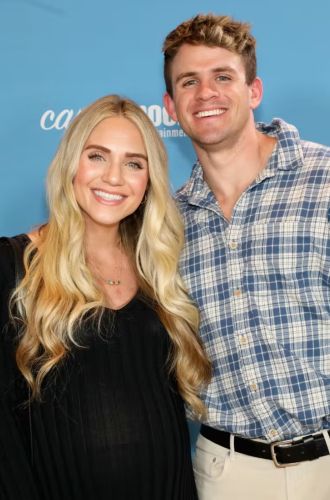
Likewise, influencers can deceive or exploit their followers. They might use unrealistic body filters to appear thinner than they are. They could hide who’s paying them. They may promote health misinformation such as the controversial ParaGuard cleanse, a fake treatment pushed by wellness influencers that claimed to rid its users of parasites.
Or, in the case of Remi Bader, they might gain a huge following by promoting body positivity, only to conceal a weight-loss procedure from their fans.
For disappointed fans or followers who feel burned, snark can seem like the only regulatory guardrail in an industry that has gone largely unchecked. Think of snark as a Better Business Bureau for the untamable world of influencing – a form of accountability that brings attention to the scammers and hustlers.
Keeping It Real
Todays’s snark exists at the intersection of gossip and cancel culture.
Though cancel culture certainly has its faults, we approach cancel culture in our writing as a worthy tool that allows audiences to hold the powerful accountable. For example, communities of color have joined forces to call out racists, as they did in 2024 when they exposed lifestyle influencer Brooke Schofield’s anti-Black tweets.
Influencers build trust with their audiences based on being “real” and relatable. But there’s nothing preventing them from breaking that trust, and snarkers can swoop in to point out bad behavior or hypocrisy.
Within the competitive world of family vlogging, snarkers see themselves as doing more than stirring the pot. They’re truth-tellers who bring injustices to light, such as abuse and child labor exploitation. Some of this exposure is paying off, with more and more states introducing and passing family vlogger laws that require children to one day receive a portion of their parents’ earnings or restrict how often children can appear in their parents’ videos.
Yes, snark can veer into cyberbullying. But that shouldn’t discount its value as a tool for transparency. Influencers are ultimately brands. They sell audiences ideas, lifestyles and products.
When people feel as if they’ve been misled, we think they have every right to call it out.
Originally published by The Conversation, 04.30.2025, under the terms of a Creative Commons Attribution/No derivatives license.
About the Author