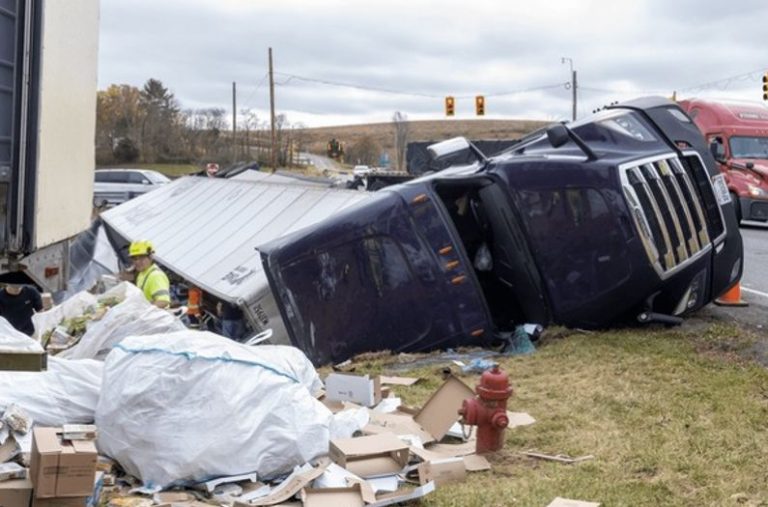
Impaired driving can occur at any hour, in any setting, and when it does, the impact reaches far beyond the crash itself. This leads to what is legally defined as a DUI accident.
A DUI accident happens when a driver operates a vehicle under the influence of alcohol or drugs. Victims may be dealing with injuries, damaged vehicles, and unanswered questions about what comes next.
Knowing the right steps to take can protect both your health and your legal rights. You need to schedule a free consultation with a DUI accident lawyer as soon as possible to know your legal options.
Keep reading this write-up to learn about some immediate steps that you should take after you have met with an accident.
Step 1: Ensure Safety and Call Emergency Services
Your priority should always be safety. If you can, move to a safe area away from traffic and check yourself and others for injuries.
Call 911 immediately to report the accident. DUI crashes often require police and medical responders on scene, even if injuries don’t seem obvious at first.
Step 2: Seek Medical Attention Right Away
Not all injuries show up immediately. After a traumatic crash, adrenaline can hide pain or symptoms that appear hours or even days later.
Getting medical treatment as soon as possible isn’t just about your well-being – it also creates a clear medical record. This documentation can be crucial if a car accident lawyer later needs to link your injuries directly to the DUI accident.
Step 3: Cooperate With Law Enforcement, Carefully
When officers arrive, provide basic information and answer questions honestly. In DUI cases, law enforcement may perform sobriety or chemical tests on the at-fault driver, and those results can become key evidence.
Avoid guessing or offering opinions about what caused the crash. Stick to what you know and let investigators handle the rest.
Step 4: Document the Scene If You’re Able
If it’s safe, take time to document what you see. Details that seem minor in the moment can matter later.
Try to capture pictures of:
- Damage to all vehicles involved
- The position of the cars after the impact
- Road and weather conditions
- Visible injuries
- Nearby traffic signs or signals
This information can be extremely helpful for an accident lawyer when establishing fault.
Step 5: Collect Witness Information
Independent witnesses can strengthen your claim. If anyone saw the crash or noticed the other driver’s behavior, ask for their contact details.
Witness statements often help confirm signs of impairment, such as swerving, speeding, or delayed reactions.
Step 6: Avoid Discussing the Accident with Insurance Adjusters
Insurance companies may contact you quickly, sometimes within hours. While they may sound helpful, their goal is often to limit payouts.
It’s best to avoid giving recorded statements until you have spoken with a car accident lawyer. What you say early on can affect your claim later.
Step 7: Contact a DUI Accident Lawyer as Soon as Possible
DUI accidents are more complex than typical collisions. Criminal charges, punitive damages, and multiple insurance policies may all come into play.
An experienced DUI accident lawyer can help:
- Preserve time-sensitive evidence
- Coordinate with ongoing criminal cases
- Assess the true financial and personal impact of your injuries
- Getting legal guidance early helps protect your rights from the very beginning.
Final Key Takeaways After a DUI Accident
- Put safety first and call emergency services immediately
- Seek medical care, even if injuries seem minor
- Document the scene and gather witness details
- Avoid early insurance conversations without legal advice
- Contact a car accident lawyer promptly
Taking the right steps early can make a real difference in both your recovery and the outcome of your case.
About the Author