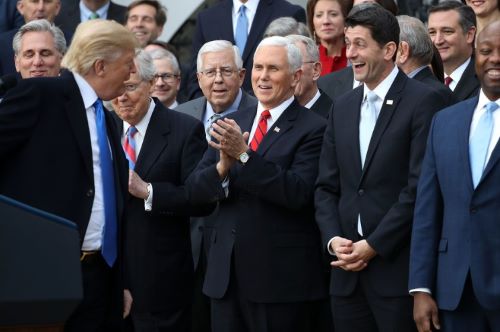
They tried to devise the most clever ways to skew the current tax code to benefit wealthy donors.
It’s no secret that the proliferation of scams targeting elderly Americans has increased dramatically with the expansive spread of information technology. Older Americans are particularly vulnerable to such scams, a disturbing reality that was made clear to me shortly before my father passed away. My parents, both in their 80s, were being inundated by scam phone calls and mailings, including the infamous grandparent scam, literally on a daily basis. Because they, like many older Americans, grew up in a more trusting time, they were often just at the point of falling for these scammers on multiple occasions before I intervened.
Few things in life are as viscerally humiliating as realizing you’ve been ripped off, but for older Americans, the shame and embarrassment is often aggravated by their inability to find help or recourse, particularly in a society now immersed in digital technologies they might not fully understand. Even worse is when the scam exacts a devastating financial blow that eviscerates the limited resources people may have saved to cover the cost of living into their advanced years.
But these concerns didn’t seem to matter to Republicans in 2017, when they embarked on their mission to massively cut the taxes of their wealthiest benefactors. Instead, they found a clever new way of compounding the pain caused by this new epidemic of fraud: by forcing fraud victims to pay taxes on financial losses they’d suffered as a result of these scams, Republicans discovered they could provide even bigger tax cuts to their political patrons. All they needed to do was make a minor tweak to the tax code. So that’s exactly what they did.
READ ENTIRE ARTICLE AT DAILY KOS
About the Author