Scientists have been debating the start of the Anthropocene Epoch for 15 years.

By Dr. Erle C. Ellis
Professor of Geography and Environmental Systems
University of Maryland, Baltimore County
Introduction
When people talk about the “Anthropocene,” they typically picture the vast impact human societies are having on the planet, from rapid declines in biodiversity to increases in Earth’s temperature by burning fossil fuels.
Such massive planetary changes did not begin all at once at any single place or time.
That’s why it was controversial when, after over a decade of study and debate, an international committee of scientists – the Anthropocene Working Group – proposed to mark the Anthropocene as an epoch in the geologic time scale starting precisely in 1952. The marker was radioactive fallout from hydrogen bomb tests.
On March 4, 2024, the commission responsible for recognizing time units within our most recent period of geologic time – the Subcommission on Quarternary Stratigraphy – rejected that proposal, with 12 of 18 members voting no. These are the scientists most expert at reconstructing Earth’s history from the evidence in rocks. They determined that adding an Anthropocene Epoch – and terminating the Holocene Epoch – was not supported by the standards used to define epochs.
To be clear, this vote has no bearing on the overwhelming evidence that human societies are indeed transforming this planet.
As an ecologist who studies global change, I served on the Anthropocene Working Group from its start in 2009 until 2023. I resigned because I was convinced that this proposal defined the Anthropocene so narrowly that it would damage broader scientific and public understanding.
By tying the start of the human age to such a recent and devastating event – nuclear fallout – this proposal risked sowing confusion about the deep history of how humans are transforming the Earth, from climate change and biodiversity losses to pollution by plastics and tropical deforestation.
The Original Idea of the Anthropocene
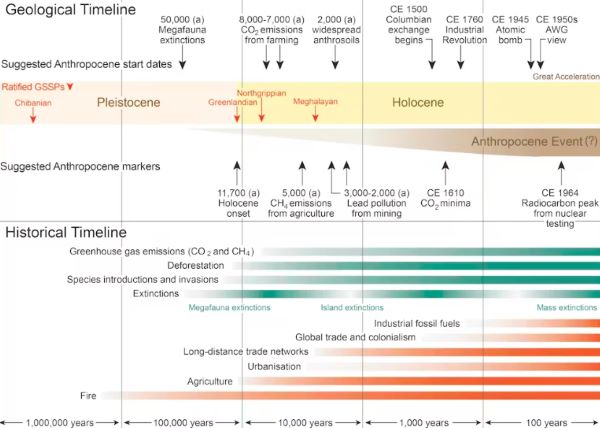
In the years since the term Anthropocene was coined by Nobel Prize-winning atmospheric chemist Paul Crutzen in 2000, it has increasingly defined our times as an age of human-caused planetary transformation, from climate change to biodiversity loss, plastic pollution, megafires and much more.
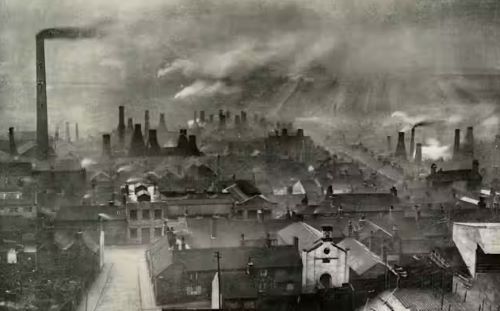
Crutzen originally proposed that the Anthropocene began in the latter part of the 18th century, as a product of the Industrial age. He also noted that setting a more precise start date would be “arbitrary.”
According to geologists, we humans have been living in the Holocene Epoch for about 11,700 years, since the end of the last ice age.
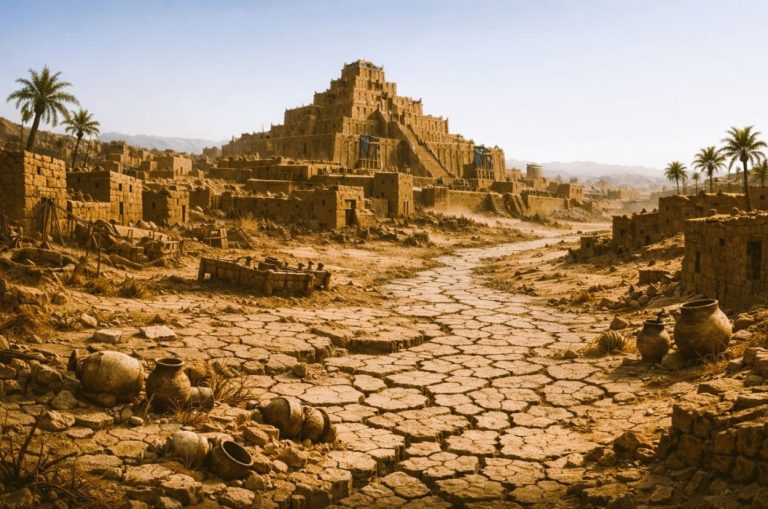
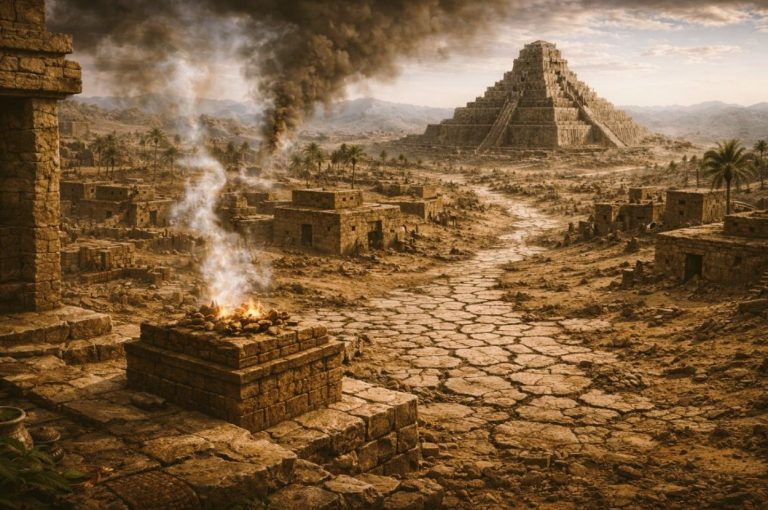
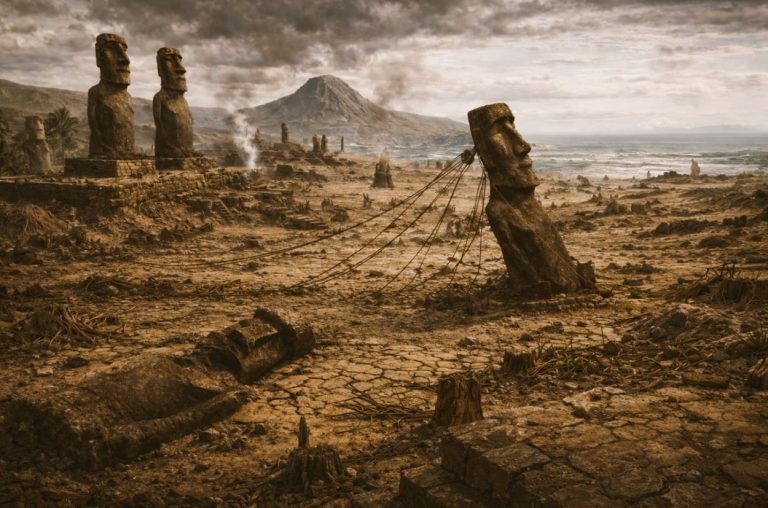
Human societies began influencing Earth’s biodiversity and climate through agriculture thousands of years ago. These changes began to accelerate about five centuries ago with the colonial collision of the old and new worlds. And, as Crutzen noted, Earth’s climate really began to change with the increasing use of fossil fuels in the Industrial Revolution that began in the late 1700s.
The Anthropocene as an Epoch
The rationale for proposing to define an Anthropocene Epoch starting around 1950 came from overwhelming evidence that many of the most consequential changes of the human age shifted upward dramatically about that time in a so-called “Great Acceleration” identified by climate scientist Will Steffen and others.
Radioisotopes like plutonium from hydrogen bomb tests conducted around this time left clear traces in soils, sediments, trees, corals and other potential geological records across the planet. The plutonium peak in the sediments of Crawford Lake in Ontario, Canada – chosen as the “golden spike” for determining the start of the Anthropocene Epoch – is well marked in the lake bed’s exceptionally clear sediment record.
The Anthropocene Epic Is Dead: Long Live the Anthropocene
So why was the Anthropocene Epoch rejected? And what happens now?
The proposal to add an Anthropocene Epoch to the geological time scale was rejected for a variety of reasons, none of them related to the fact that human societies are changing this planet. In fact, the opposite is true.
If there is one main reason why geologists rejected this proposal, it is because its recent date and shallow depth are too narrow to encompass the deeper evidence of human-caused planetary change. As geologist Bill Ruddiman and others wrote in Science Magazine in 2015, “Does it really make sense to define the start of a human-dominated era millennia after most forests in arable regions had been cut for agriculture?”
Discussions of an Anthropocene Epoch aren’t over yet. But it is very unlikely that there will be an official Anthropocene Epoch declaration anytime soon.
The lack of a formal definition of an Anthropocene Epoch will not be a problem for science.
A scientific definition of the Anthropocene is already widely available in the form of the Anthropocene Event, which basically defines Anthropocene in simple geological terms as “a complex, transformative, and ongoing event analogous to the Great Oxidation Event and others in the geological record.”
So, despite the “no” vote on the Anthropocene Epoch, the Anthropocene will continue to be as useful as it has been for more than 20 years in stimulating discussions and research into the nature of human transformation of this planet.
Originally published by The Conversation, 03.05.2024, under the terms of a Creative Commons Attribution/No derivatives license.
About the Author