Gambling has fascinated humans for millennia, evolving from simple games of chance to sophisticated casino experiences. As societies have changed, so too have the ways in which people gamble, reflecting cultural shifts and technological advancements. Today, gambling is not only a form of entertainment but also a significant industry with a global reach.
Gambling has been a part of human culture for thousands of years, with evidence of its practice found in many ancient civilizations. The transformation from these early games to the modern gambling industry highlights the adaptability and enduring appeal of betting activities. By examining this evolution, you can gain insight into how ancient practices have influenced contemporary forms like classic slot games, which continue to captivate enthusiasts worldwide.
Ancient gambling practices and their cultural roles
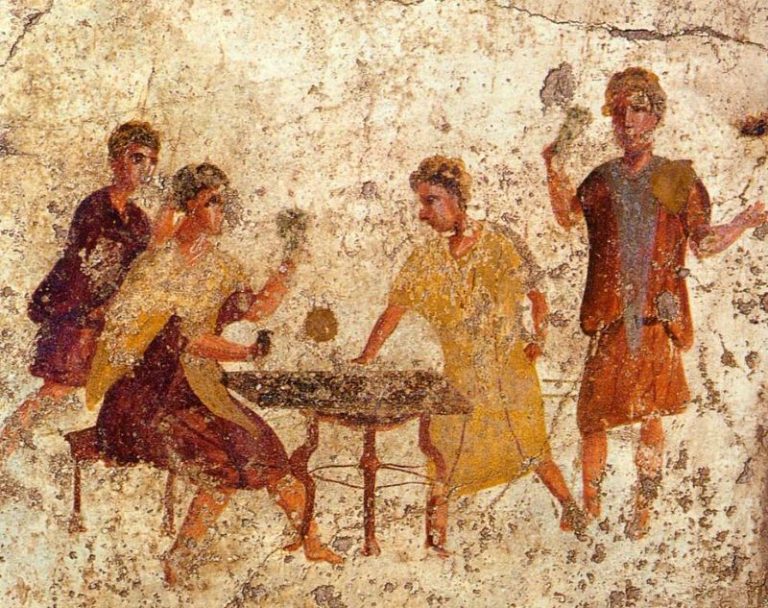
In ancient Greece, gambling was woven into the fabric of social life, often associated with religious festivals. Dice games were popular among both the common people and nobility, serving as a pastime and a way to divine the will of the gods. Similarly, in Rome, gambling was an integral part of public entertainment, with bets placed on gladiatorial contests and chariot races. Roman emperors themselves were known to indulge in gambling, setting a precedent for its acceptance within higher social circles.
China also boasts a rich history of gambling that dates back centuries. The earliest known records mention games resembling today’s lottery systems and card games. These activities were not merely for amusement but also played significant roles in funding government projects and religious temples. Across these civilizations, gambling served as both a personal indulgence and a means to engage with broader societal dynamics.
The emergence and influence of modern casinos
The concept of casinos began to take shape in 17th-century Europe, where establishments like Venice’s Ridotto provided controlled environments for gamblers. These venues introduced regulated gaming to high society, blending leisure with economic opportunity. As time progressed, casinos evolved beyond Europe, with places like Monte Carlo becoming iconic symbols of luxury and entertainment.
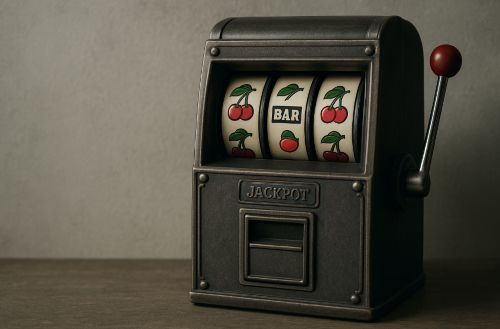
Technological advancements have further transformed casinos into dynamic spaces filled with an array of gaming options. Innovations such as electronic machines and digital interfaces offer new ways for enthusiasts to engage with their favorite pastimes. Casinos today leverage technology to enhance user experience, ensuring they remain attractive destinations for players worldwide.
Technology’s transformative impact on gambling experiences
The rise of the internet has revolutionized the gambling industry by making it accessible from virtually anywhere. Online platforms provide players with convenience and variety, offering everything from traditional card games to innovative virtual slots. This shift has opened new avenues for participation, allowing individuals to engage at their own pace without geographical constraints.
Mobile technology has further cemented this accessibility by enabling users to gamble directly from their smartphones or tablets. Apps designed for mobile use offer seamless transitions between different gaming activities, enhancing user engagement through tailored experiences. As these platforms continue to evolve, they redefine what it means to participate in the world of gambling.
About the Author