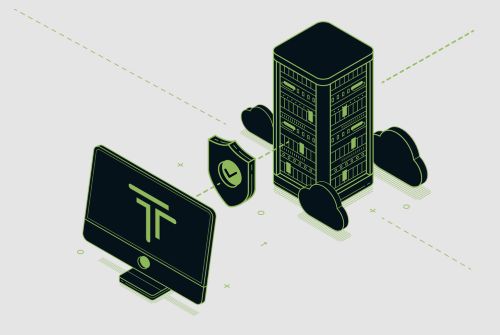
Modern enterprises no longer operate within the confines of a single office, data center, or even country. Remote work, cloud adoption, and global collaboration have reshaped how organizations function day to day. As a result, traditional network security models built around fixed perimeters are struggling to keep up. Businesses now need connectivity that is flexible, scalable, and secure, regardless of where employees, applications, or data are located.
This shift has forced enterprises to rethink not only how they connect systems, but how they protect them. Security is no longer an add-on layered over networking; it has become an integral part of connectivity itself.
Why Legacy Network Security Is Falling Short
Conventional security approaches rely heavily on hardware-based firewalls, VPNs, and centralized data centers. While these tools once served enterprises well, they often introduce complexity, latency, and visibility gaps in today’s distributed environments. Employees working from home or on the move may experience slow connections, while IT teams struggle to manage multiple point solutions across different locations.
More importantly, legacy models assume that anything inside the network can be trusted. With the rise of cloud services and third-party integrations, that assumption has become risky. Modern threats exploit these blind spots, moving laterally across networks once initial access is gained.
The Rise of Cloud-Native Secure Connectivity
To address these challenges, enterprises are embracing cloud-native architectures that merge networking and security into a unified framework. Instead of routing traffic back through a central hub, users connect securely to applications through cloud-based enforcement points. This approach reduces latency while improving visibility and control.
Solutions such as Secure Access Service Edge exemplify this evolution by combining secure networking, identity-based access, and threat protection into a single, streamlined model. Rather than relying on location-based trust, access decisions are made dynamically based on user identity, device posture, and context.
Zero Trust as a Core Design Principle
A defining feature of modern secure connectivity is the adoption of zero-trust principles. In this model, no user or device is trusted by default, even if they are already connected to the network. Every access request is continuously verified, reducing the risk of unauthorized movement within systems.
Enterprises implementing zero trust benefit from greater control over who can access specific applications and data. This granular approach also supports compliance requirements and reduces the potential impact of breaches by limiting access to only what is necessary.
Supporting a Flexible and Scalable Workforce
As workforces become more flexible, secure connectivity must scale effortlessly. Cloud-based security platforms allow enterprises to onboard new users, integrate applications, and expand to new regions without deploying additional hardware. This agility is especially valuable for growing organizations or those undergoing digital transformation.
From an employee perspective, modern connectivity improves the user experience. Seamless, secure access to tools and data enables productivity without the friction often associated with traditional VPNs or complex login processes.
The Strategic Advantage of Unified Connectivity and Security
By redefining secure connectivity, modern enterprises are gaining more than just protection against threats. They are creating infrastructures that support innovation, collaboration, and long-term growth. Unified models reduce operational complexity, provide better visibility into network activity, and allow IT teams to respond quickly to emerging risks. In an environment where change is constant, secure connectivity has become a strategic asset rather than a technical afterthought. Enterprises that invest in modern, integrated approaches are better positioned to adapt, compete, and thrive in a digitally connected world.
About the Author