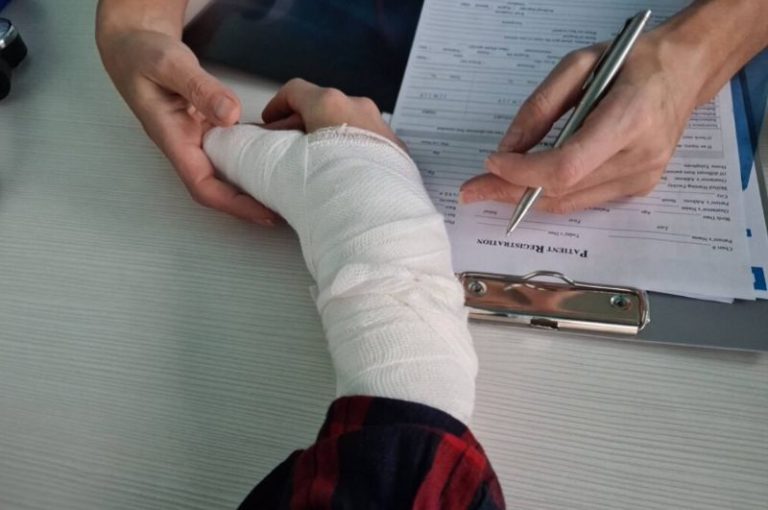
Atlanta, GA, is a thriving metropolis where vibrancy comes with real risks. In 2023 alone, the Atlanta Police Department reported more than 28,000 traffic collisions within city limits, leading to thousands of injuries that strain families physically, emotionally, and financially. Nearly every hour brings a new crash report in Fulton and DeKalb counties, and incidents like hit‑and‑runs and speeding‑related wrecks continue to challenge local safety efforts. These figures underscore why understanding your legal rights after an accident isn’t just important; it’s essential for protecting your future and financial stability.
When someone suffers harm due to another’s negligence, navigating the personal injury claims process can feel overwhelming. From documenting medical treatment to dealing with insurance adjusters, every step matters toward recovering compensation for medical bills, lost wages, and pain and suffering. That’s where experienced Atlanta personal injury attorneys step in, guiding injured individuals through deadlines, evidence gathering, and negotiations so you can focus on healing. In this post, we’ll walk through what to expect during a personal injury claim here in Atlanta and how the process works from start to resolution.
Initial Consultation and Case Assessment
In most instances, the first thing an individual does is consult with a lawyer. Details about the incident are gathered in the first meeting. They assess the merits and demerits of the claim. Knowing what to expect with a lawyer helps everyone involved, so there are no surprises, and it sets expectations. This is a crucial stage, as accuracy in your documentation and honesty are key.
Gathering Evidence and Documentation
A claim based upon solid evidence. Victims must gather medical records, photos, police reports, and statements from witnesses. These documents verify the scope of injuries and damages. The stronger the evidence, the higher the probability of a positive resolution. Keeping all facts accurate and recent adds to the credibility of the claim.
Notification and Filing the Claim
Once the information is collected, the next step is to contact the at-fault party or their insurance company. This notification includes a report of the injuries and damages. A compensation claim is usually initiated by a lawyer submitting a letter of intent. The claim is the first step in negotiating or resolving a dispute.
Investigation and Review by Insurers
Insurance adjusters carefully review every detail of the incident. They may ask you to elaborate further. Conducting the investigation helps insurers assess who is at fault and how much responsibility belongs to this party. In some cases, insurers will schedule an interview or ask for additional information. Responses during this phase should be clear and prompt to avoid unnecessary delays.
Medical Examinations and Ongoing Care
Often, the injured person goes through testing and other evaluations from neutral medical professionals. These assessments record the seriousness of the injuries and treatments required. Follow-up visits and persistent management may be essential. The medical records should be full and up-to-date. They help give numbers to the damages being sought.
Negotiations and Settlement Discussions
After the investigation, negotiations take place. Both parties try to reach a settlement amount. Attorneys fight for just and reasonable settlements. Most disputes are settled by way of dialogue without a lengthy court hearing. Patience and being flexible often pay off in these conversations.
Alternative Dispute Resolution
Certain claims require an extended period of time to be settled. Mediation provides a systematic setting for both sides to present their individual positions. A neutral third party can help with communication and propose win-win solutions. Alternative dispute resolution methods can help avoid going to trial. These processes often result in more efficient and easily resolved outcomes.
Filing a Lawsuit if Needed
If they cannot negotiate, the next step is to take action in court. Once a legal professional prepares and submits formal documents to the court, the judicial process begins. However, after the case enters the litigation phase, where discovery, depositions, and pre-trial motions are conducted, the case becomes a discovery dispute that lawyers at large law firms could spend years (and thousands of billable hours) litigating.
Trial and Court Proceedings
In a trial, each side presents its evidence and arguments to a judge or jury. There may be witnesses, and experts offer opinions on both medical and pecuniary losses. The lawyers put together a plausible case. Once all the evidence has been heard, the court hands down a verdict on liability and apportionment of damages.
Receiving Compensation and Closure
Compensation is only awarded once a settlement or verdict has been reached. Compensation can include your medical bills, lost wages, and pain and suffering. Completing the process also gives people a bit of peace of mind so they can move on with recovery. Attorneys get the paperwork finalized and the rest of the terms satisfied, completing the process.
Wrapping Up
The key steps involve both areas that need to be addressed and steps that demand collaboration. Knowing what to expect makes the experience far less daunting, knowing exactly what to expect at each level. Empowered with this information, a person can feel confident in their decision to seek justice and to be compensated for their injuries.
About the Author