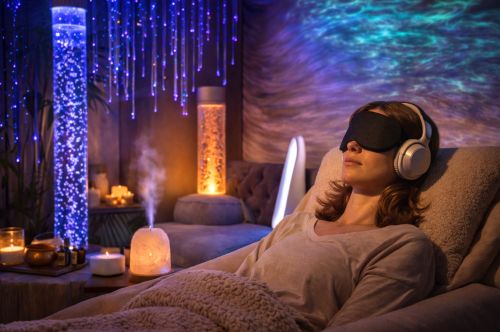
In a world that has spent the last ten years obsessed with the crisp clarity of 4K screens and the blinding brightness of performance tech, a revolution has quietly taken hold in 2026. If, like many others, you have a sense of digital vertigo, a buzzing exhaustion from the constant barrage of high-refresh-rate screens, know that we have finally begun to move beyond the sight-centric era, in which the way things look was more important than the way things feel. This year, the focus has turned to the art of regulating our nervous systems through intentional, tactile, and sensory experiences.
The Great Sensory Reset of 2026
But why the sudden change? For decades, the standard has been how much information we can visually process. However, the brain is not a processor; it is an organ that is meant to thrive on multisensory integration. By overstimulating our senses of vision and ignoring our senses of touch and smell, we have essentially put ourselves in a state of sensory debt.
In 2026, people are taking their peace back through tools that prioritize the nervous system. This is not just about looks; this is about surviving in a hyper-connected world. Whether it is the resurgence of tactile 3D finishes in home design or the explosion of nervous system regulation techniques, the common denominator is simple: reduce the cortisol and find the flow.
Beyond the Screen: Why Texture and Scent Now Lead
Have you observed the way we have come to appreciate the sense of touch lately? This has played out in the tech industry, moving away from the cold, smooth glass of yesteryear to more organic, tactile materials. We have witnessed a huge shift towards devices that focus on the ritual of use, as opposed to the result of use.
A great example of this shift in the way we use things can be observed in the way we consume botanicals. While the old way was focused on the hit, the new way has us adopting dry herb vaporisers to change the experience into a controlled ritual of sense. The terpene surfing experience, as it’s known, allows the subtle scents and flavors of the botanical to be preserved, as opposed to the old way of burning the product.
It’s no longer the result that matters, but the warmth of the device, the scent of the vapor, and the intentionality of the process.
The Science of Passive Regulation
This trend towards sensory-first living is also being fueled by the growing research into somatic wellness. We’re discovering that our bodies often know we’re stressed before our brains do. Here’s what to expect:
- Vagal Tone: 2026 has seen a boom in vagus nerve hacking, utilizing cold temperatures and weighted textures to communicate safety to the brain.
- Analog Resistance: As digital fatigue becomes a very real problem, the trend towards analog living, involving physical books, vinyl records, and heating appliances, is a form of resistance against the sight-first onslaught.
- Micro-Rituals: Gone are the days of hour-long meditation sessions. Instead, we’re turning to 30-second micro-rituals like feeling the texture of a stone or the specific warmth of a vapor cloud.
Why Performance Is Being Redefined
Faster was the name of the game in 2024, but in 2026, the name of the game is sustainable for the human spirit. It’s happening in the workplace, where sensory recovery rooms are becoming the new innovation centers.
We’re finally recognizing that we cannot out-visualize our stress. To perform at our best, we need environments that manage our senses. That means lighting that tracks our circadian rhythms, acoustics that mimic the pink noise of nature, and tools that engage our hands and noses as well as our eyes.
Is This the End of Sight-First Culture?
Not exactly. We still appreciate a lovely sunset or a well-designed app. But we’re no longer willing to compromise our equilibrium to get it. The sight-first era was a sprint, the sensory regulation era a long, steady walk home.
As we continue to move through the remainder of 2026, the question we must be asking isn’t “Does this look good?” but “How does this make me feel in my own skin?”
By focusing on the sensory, we’re not only becoming better consumers, but we’re becoming more regulated, more resilient humans.
The Bottom Line: Find Your Own Rhythm
The beauty of this shift is that it’s deeply personal. What regulates your nervous system might be a heavy blanket, the specific hum of a record player, or the nuanced flavor profile of a well-vaped herb. The performance is now in the peace you find. So, what do you think of this shift? Do you prefer sight-first performance over sensory regulation or the opposite? Let us know your thoughts in the comments below.
About the Author