Investigations reveal an enforcement system that has moved far beyond its stated goal of targeting dangerous individuals.

By Matthew A. McIntosh
Public Historian
Brewminate
Introduction
Immigration and Customs Enforcement is escalating tactics that reach far beyond the violent offenders typically invoked in political rhetoric. Recent reporting shows arrests of undocumented immigrants, legal immigrants, and even U.S. citizens during routine interactions with the agency or the courts. In San Diego, spouses of U.S. citizens have been detained during green card interviews. In other cases, immigrants complying with mandatory court check-ins have been arrested without warning.
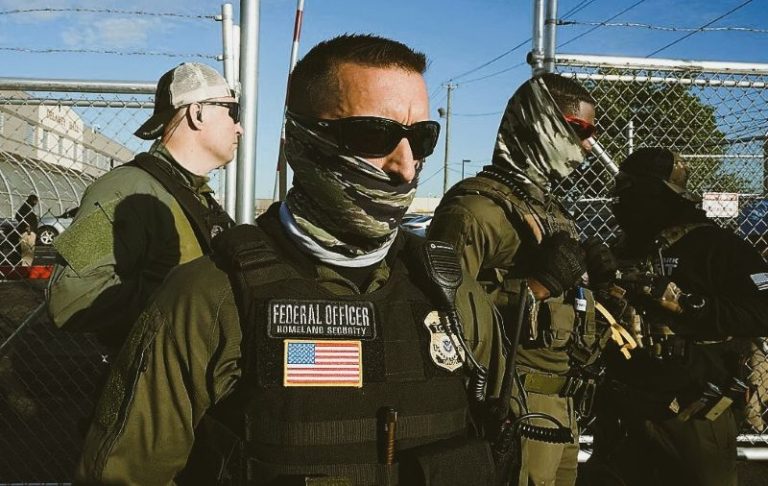
The scope of enforcement continues to widen. Agents have appeared masked outside courthouses and monitored arrivals. Lawsuits described by the Immigrant Justice organization report arrests of individuals attending scheduled hearings, even when they were in full compliance with ongoing legal processes. These patterns show an agency increasingly willing to detain people not avoiding the law but actively cooperating with it.
The consequences extend to military families. A Marine veteran’s wife was taken into ICE custody despite ongoing legal proceedings. Similar accounts appear in reporting on nationwide sweeps, which found that many of those detained were not the “public safety threats” the administration described. These developments highlight a growing divide between public claims about targeting dangerous offenders and an enforcement system that routinely captures people with no record of violence.
What emerges from these reports is a picture of an agency employing increasingly aggressive tactics that reach into courthouses, government offices, and mandatory check-ins. The pattern raises significant questions about due process and the long-term impact of enforcement strategies that treat cooperation with the legal system as a point of vulnerability rather than a guarantee of protection.
A System of Aggressive Tactics
Reporting from The Marshall Project offers one of the clearest windows into how ICE has expanded its operational approach. Their investigation describes agents wearing masks, observing courthouse entrances, and following people as they exit proceedings. According to the report, these tactics allow ICE to identify individuals who appear at court for matters unrelated to immigration and intercept them afterward. The methods described reflect a shift toward surveillance-driven operations rather than targeted arrests based on violent criminal behavior.
Courthouse enforcement has become a central component of this strategy. ICE began using New York courthouses and their surrounding areas as routine enforcement zones, documenting arrests during family court hearings, criminal proceedings, and immigration-related hearings. Their reporting highlights a change in internal directives that encouraged agents to treat courthouses as predictable points of contact with immigrants who would otherwise be difficult to locate. This pattern aligns with the concerns expressed by legal advocates who warn that such tactics discourage individuals from seeking justice or participating in court processes.
Another dimension involves the deliberate use of ruses, specific tactics such as ICE agents posing as local police, probation officers, or individuals conducting routine checks. In some cases, agents reportedly fabricated emergencies or used deceptive paperwork to persuade people to open doors or comply with instructions. These ruses, documented directly through legal complaints and interviews, have raised widespread concern among civil liberties groups who argue that deceptive tactics undermine public trust in both federal and local authorities.
Sweep operations further illustrate how aggressive enforcement extends beyond isolated incidents. Reporting outlines large-scale raids justified by broad classifications such as “public safety threats,” even when the individuals detained did not match that description. Agents used pre-determined lists that included people with no violent criminal record, sweeping them into custody during coordinated actions across multiple regions. These operations provide a concrete example of the gap between the administration’s stated priorities and the identities of the people being detained.
Reports depict an enforcement system that relies on surveillance, deception, and expansive interpretations of threat categories. By meeting people at courthouses, using masks to obscure identity, and conducting operations that target individuals who have no documented record of violence, ICE has adopted a model that prioritizes volume and visibility over narrow, risk-based arrests. This approach deepens concerns among legal and civil liberties organizations that see these tactics as inconsistent with the agency’s public justification for aggressive enforcement.
Targeting People Following the Rules
One of the clearest patterns across the reporting is ICE’s focus on people who are actively complying with legal requirements. Reports have documented multiple cases in which immigrants were arrested during mandatory court check-ins, even when they had followed every instruction issued by immigration authorities. These check-ins were designed to monitor ongoing cases, yet they increasingly became sites where individuals were confronted by agents and taken into custody without prior notice.
The same dynamic appears in several lawsuits. The suits outline arrests inside and outside immigration courthouses involving people who had arrived to submit documents, attend hearings, or complete scheduled appointments. In many of these cases, the individuals were in full compliance with the legal process, and the arrests themselves became points of contention in active litigation. The lawsuits argue that these actions undermine the purpose of court-administered procedures and disrupt the ability of immigrants to resolve their cases.
These tactics extend into the legal immigration system as well. Their coverage describes arrests of spouses of U.S. citizens who appeared for green card interviews at U.S. Citizenship and Immigration Services offices. These interviews are required components of the application process, and the individuals involved were seeking lawful permanent residency. The detentions occurred despite applicants following the procedures set forth by federal immigration authorities.
These accounts depict enforcement practices that penalize cooperation rather than evasion. People who attend court dates, complete administrative obligations, or pursue lawful pathways to residency are treated as convenient enforcement targets. This pattern raises concerns about whether compliance itself has become a point of vulnerability within the current immigration system.
Legal Immigrants, Military Families, and Other Vulnerable Groups
The consequences of these enforcement tactics are especially evident in cases involving legal immigrants whose status should have offered stability. The wife of a Marine veteran was detained by ICE despite her ongoing attempts to resolve her immigration case. Her detention occurred while she was following agency procedures, leaving her family to navigate complex legal and emotional challenges. The case illustrates how aggressive tactics can reach into households with strong ties to the United States and longstanding military service.
Other documented incidents point to a wider pattern of detaining spouses of U.S. citizens who are in the middle of lawful immigration processes. There are cases in San Diego in which individuals attending green card interviews were arrested at USCIS offices. These interviews are mandatory for applicants seeking permanent residency, and the detained individuals were present because they were pursuing a legal pathway established by the federal government. The arrests, as reported, show how enforcement actions can disrupt processes designed to support family unification.
Nationwide sweep operations also reveal how broad categories of enforcement affect people who do not fit the public depiction of “threats.” Large-scale operations included individuals classified as non-threats, even as officials publicly framed the sweeps as targeting serious offenders. These findings highlight a structural mismatch between public messaging and the identities of many people detained during coordinated enforcement actions.
These accounts demonstrate how ICE’s current approach reaches into communities that are traditionally considered stable and connected to the broader civic fabric. Legal residents, veterans’ families, and spouses of U.S. citizens appear throughout the reporting, often detained while following government procedures. The breadth of these cases underscores concerns raised by legal advocates who warn that enforcement tactics are expanding beyond their stated goals and affecting individuals who have not engaged in criminal activity.
Ruses, Retaliation, and Intimidation Concerns
Documentation provides a detailed account of ICE’s use of ruses to carry out arrests. Reporting describes agents posing as local police officers, probation officials, utility workers, and even individuals delivering packages. These tactics were used to persuade people to open their doors or engage in conversations that led to detention. The organization’s published materials include direct descriptions of fabricated emergencies and deceptive claims designed to induce cooperation. These accounts offer concrete evidence of how ICE uses manipulation to circumvent refusals of entry.
Courthouse intimidation tactics have also drawn increasing scrutiny. Masked ICE agents monitored courthouse entrances, watched for immigrants arriving for hearings, and followed people as they left. The presence of undercover or masked officers created an atmosphere of fear for individuals attending both civil and criminal proceedings. These observations reflect a broader trend in which courthouses have become focal points for immigration enforcement, changing how immigrant communities interact with the justice system.
Courthouse arrests undermine due process. ICE began conducting operations inside and around New York courthouses after internal guidelines shifted, making these locations regular enforcement zones. There are documented arrests during family court hearings, supervised visits, and other proceedings unrelated to immigration violations. These arrests deter people from appearing in court, affecting the functioning of the justice system itself.
There are retaliation concerns involving photographers who documented immigration arrests. Individuals photographing ICE activity reported being detained or approached by agents in ways that raised questions about retaliation. The documentation focuses on transparency and free speech implications, noting the importance of public oversight in contexts where arrests occur in public or quasi-public spaces. These cases, while not as numerous as courthouse detentions, contribute to broader civil liberties concerns surrounding ICE operations.
The reports depict an enforcement regime that relies on deception, surveillance, and practices that create an atmosphere of intimidation. The use of ruses, masked operations, courthouse arrests, and contested interactions with members of the public raises questions about transparency and accountability. These tactics signal a shift toward enforcement strategies that prioritize control over clarity, often at the expense of public trust and procedural fairness.
What the Lawsuits Reveal
Lawsuits filed by immigrant advocates provide a detailed look at how ICE operations inside and around courthouses have escalated in recent years. Attorneys and community groups brought legal challenges after repeated incidents in which individuals attending scheduled hearings were arrested without warning. These arrests occurred even when people were attempting to resolve their cases through lawful channels. The suits argue that courthouse operations disrupt proceedings and place individuals at risk simply for showing up as required.
One of the central claims is that ICE’s courthouse arrests violate longstanding norms intended to protect due process. Individuals attending hearings for family matters, criminal cases, and immigration proceedings were detained before or after their appearances. The organization’s documentation states that these actions not only interfere with individual cases but also fundamentally alter how immigrants view the judicial system. Their filings describe a chilling effect that pushes people away from the courts, even when they are victims, witnesses, or defendants with pending matters.
ICE’s expanded use of courthouses transformed them into enforcement hotspots. Internal directive changes under the Trump administration encouraged agents to treat these locations as reliable points of access to immigrants. There are documented arrests inside court buildings, in hallways, and on courthouse steps. Their reporting highlights how these actions undermine the ability of attorneys to represent clients effectively and complicate efforts to ensure fair hearings.
Legal filings also emphasize the structural barriers created by courthouse enforcement. ICE operations force individuals to weigh the risk of arrest against the legal consequences of missing court. Some immigrants avoided family court or criminal hearings out of fear of encountering ICE agents. These decisions can have serious legal repercussions, including fines, warrants, or adverse rulings in custody or criminal cases. The lawsuits argue that these outcomes are an unintended but predictable consequence of aggressive enforcement.
The lawsuits further highlight concerns about the erosion of federal and state separation in judicial spaces. Advocates argue that courthouse arrests blur the lines between civil immigration enforcement and state-level judicial processes. Detaining individuals inside courthouses undermines the integrity of state courts by transforming them into extensions of federal enforcement. This reflects a broader critique found across the reporting: that aggressive ICE tactics shift the balance of public power in ways that were not intended by lawmakers or the courts.
The lawsuits reveal a pattern in which courthouse enforcement not only affects individual detainees but also reshapes the functioning of the justice system itself. Evidence shows that advocates view courthouse arrests as a direct threat to due process and equal access to the courts. These filings provide a structured, evidence-based account of how ICE’s expanded tactics have created new legal vulnerabilities and raised structural concerns that extend far beyond individual cases.
National Policy Trends and Political Consequences
ICE’s current tactics fit into a broader national strategy. Large-scale sweeps labeled as targeting “public safety threats” included many people who did not meet that description. Officials publicly emphasized danger while internal lists used for arrests contained individuals with no serious criminal histories. This pattern reflects a disconnect between public messaging and operational practice that has become a defining feature of recent enforcement efforts.
The reliance on courthouses, green card interviews, and mandatory appointments as enforcement points has also reshaped immigrant interaction with public institutions. Evidence all points to a growing reluctance among immigrants to attend court, submit documentation, or pursue lawful immigration pathways. Their reporting shows that fear of detention has begun to overshadow the legal obligations and protections that are meant to guide these processes. This shift has consequences not only for individuals but also for the functioning of courts and administrative systems that rely on participation.
Civil liberties concerns add another layer to the national picture. FOIA-based reporting documents incidents in which photographers documenting ICE activity encountered actions that raised questions about retaliation. These concerns illustrate how aggressive enforcement practices can affect not only immigrants but also the transparency mechanisms that allow the public to understand how federal agencies operate. The overlap of enforcement, surveillance, and potential retaliation underscores the broader implications for free expression and public oversight.
ICE’s evolving strategy has become a political force in its own right. The combined effect of courthouse arrests, ruses, surveillance, sweep operations, and detentions of people complying with the law signals an enforcement model that prioritizes visibility and volume. This approach has national consequences: it shapes public perceptions of immigration, influences policy debates, and raises questions about the alignment between political rhetoric and actual enforcement outcomes.
Conclusion
Investigations reveal an enforcement system that has moved far beyond its stated goal of targeting dangerous individuals. Instead, ICE routinely detains people who are following legal procedures, attending court hearings, participating in green card interviews, or complying with mandatory appointments. Documented cases involving legal immigrants, military families, and individuals with longstanding ties to the United States show how deeply these tactics reach into communities that have historically been considered stable and law-abiding.
The broader consequences extend well beyond individual arrests. Courthouse detentions, ruses, masked surveillance, and large-scale sweep operations have created an atmosphere of fear that shapes how immigrants engage with public institutions. Legal advocates warn that these tactics undermine the justice system by discouraging participation and complicating ongoing cases. Combined with concerns about retaliation and transparency, the evidence paints a picture of an enforcement landscape that increasingly relies on strategies that obscure rather than clarify how decisions are made.
What emerges is a system defined by expansive authority and limited accountability. The gap between political claims and operational reality has widened, and the individuals most affected are often not the dangerous offenders invoked in public messaging. These enforcement strategies carry lasting implications for due process, public trust, and the integrity of legal institutions.
Originally published by Brewminate, 12.02.2025, under the terms of a Creative Commons Attribution-NonCommercial-NoDerivatives 4.0 International license.
About the Author