Some homes feel cold even when the heat runs all day. You might notice it the moment you step onto a chilly floor, sit near a window, or walk into a back bedroom that never seems to warm up. This is one of the biggest winter frustrations because it doesn’t just affect comfort—it affects your mood, sleep, and even how much you enjoy being at home. The problem usually isn’t that your heater “isn’t strong enough.” It’s that warm air escapes too fast, or cold air sneaks in through small gaps you don’t notice. The good news is you can make your house feel warmer without turning the thermostat up. You just need to focus on the spots that steal warmth from your space.
When windows are the real issue
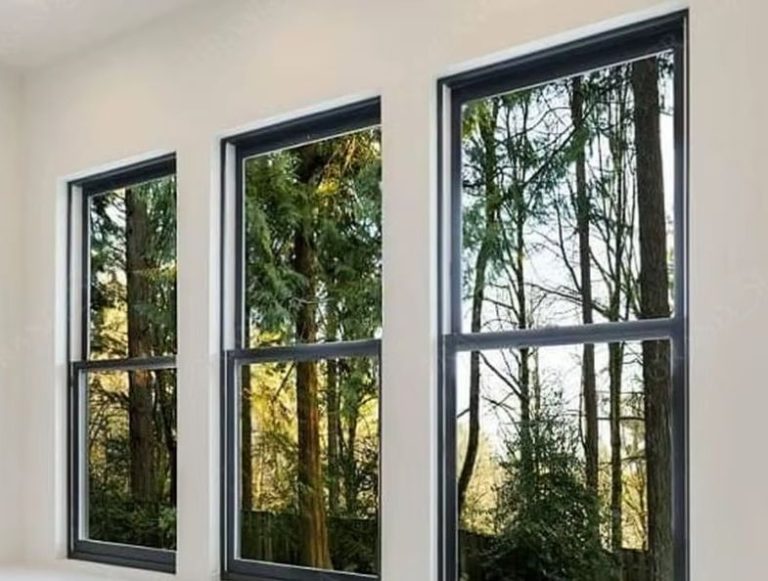
Windows can make a room feel cold even when they’re closed. You might feel chilled sitting nearby because the glass gets cold and cools the air around it. If you notice rattling panes, visible gaps, or drafts along the frame, you likely have air leakage. Condensation between double-pane glass can also signal a broken seal, which reduces insulation. For a short-term fix, shrink film kits can reduce drafts in winter, especially on older windows that don’t seal well. You should also check that the locks pull the window tight when closed. If the problem keeps coming back, it may be time to call a window replacement company to inspect the situation and explain your options without guessing.
Fix drafty doors as soon as possible
Drafty doors can make a whole house feel colder because they let outside air push into your living space. Even a small gap around the door can cause that constant chilly feeling, especially on windy days. Start with your front door, back door, and the door between your garage and house. Close the door and run your hand along the edges. If you feel cold air, you’ve found a problem worth fixing. Weather stripping is an easy upgrade that seals the sides and top. A door sweep helps block air at the bottom. These fixes don’t change how your door looks or works, but they can make the room feel more stable and comfortable within the same day.
Curtains that actually help
Curtains can do more than make a room look finished. They can also help reduce the cold feeling that comes from windows, especially at night. Glass cools down quickly after sunset, and that can make the air around it feel colder too. If you keep your curtains open at night, you might be letting that cold area spread into the room. Close your curtains as soon as it gets dark to help hold warmth in. During the day, open them to let sunlight naturally warm the space. This simple routine makes a bigger difference than people expect. If your curtains are thin, you don’t always need to replace them. Adding a curtain liner can improve warmth without changing your decor.
Warm floors make a warm room
Cold floors can make your whole house feel chilly, even if the air temperature seems fine. Your feet notice cold first, and once you feel cold from the ground up, you tend to crank the heat. The quickest fix is adding a rug where you spend the most time. Living rooms, bedrooms, and hallways usually benefit right away. A rug pad matters too because it adds a layer that helps block the cold from below. If you already have rugs but still feel the cold, check the size. Many people choose rugs that are too small, leaving cold floor exposed around the edges. For kitchens and bathrooms, soft indoor slippers can be a simple daily comfort upgrade.
Let the heat reach you
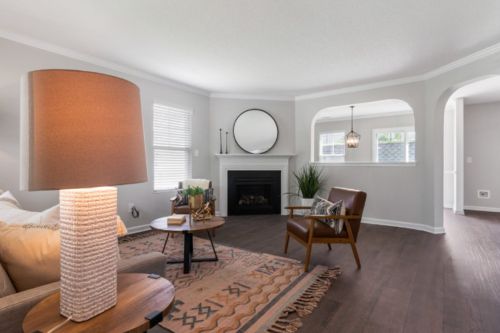
Sometimes the problem isn’t heat loss—it’s that warm air never gets to the right spots. Furniture placement can block vents, trap heat in one corner, or force warm air to rise without spreading through the room. Start by checking your vents and returns. If a couch, bed, or cabinet covers a vent, you lose airflow and the room stays colder. Try pulling furniture a few inches away from baseboards or radiators so heat can move freely. Also, look at where you spend the most time. If your favorite chair sits beside a drafty window, you will always feel colder there. A small layout change can make a room feel warmer without spending money or changing your thermostat settings.
Seal the hidden air leaks
Even if your doors feel tight and your windows look fine, small air leaks can still pull warmth out of your house. These leaks often hide in places you don’t think about, like along baseboards, around window trim, near pipes under sinks, and where walls meet the ceiling. On cold days, you may notice a slight draft or a cool patch on the wall. A simple fix is using caulk for small cracks and expanding foam for larger gaps, especially around plumbing openings. Outlet and switch plates on outside walls can also let in cold air. You can add foam gaskets behind the plates in minutes. When you seal these spots, your rooms feel less “drafty” and more steady.
Make the air feel less harsh
Sometimes your house feels cold because the air feels dry and irritating, not because the temperature is too low. Dry air can make your skin feel colder and can cause itchy eyes or a scratchy throat in winter. If that sounds familiar, balanced humidity can improve comfort. A small humidifier in the bedroom often helps at night, especially if you wake up feeling dry. You can also run exhaust fans only as long as needed, since they pull warm air out of the house. Be careful not to overdo humidity, though. Too much moisture can lead to window condensation and damp spots. Aim for a comfortable feel rather than chasing a specific number.
A warmer-feeling home doesn’t always require a higher thermostat. In many cases, comfort improves when you stop drafts, seal small leaks, and help warm air move where you actually spend time. Start with the easiest steps like door sealing, better curtain habits, and warmer floors. Then focus on hidden air gaps and rooms that don’t heat evenly. If your windows create constant cold spots, handle what you can short-term and plan for a long-term fix when it makes sense. The goal isn’t to make your home hot—it’s to make it feel steady, comfortable, and inviting. When you tackle the real causes of cold, your house stays warmer and your heating system doesn’t have to work as hard.
About the Author