Do you ever look around your living room and wonder whether your throw pillows are actually for comfort—or just silent, fluffy art pieces judging your taste? If so, you’re not alone. In an age where aesthetic perfection is Instagrammable and function is often an afterthought, the tug-of-war between how our homes look and how they work has become more personal than ever.
Let’s explore how Americans are navigating the modern minefield of form versus function—and what it says about how we live today.
Form Meets FOMO: The Pressure to Have a “Styled” Home
In the era of Pinterest boards and endless scrolling through TikTok’s #homedecor trends, homes have become stages. Influencer culture has redefined expectations of what a “normal” home should look like. Minimalism? Maximalism? Cottagecore? Mid-century modern? The options are endless—and exhausting.
But behind the curated feeds and curated furniture lies a simple truth: not every home needs to look like it belongs in an Architectural Digest spread. The real challenge is how to make spaces livable while still satisfying the very human urge to surround ourselves with beauty. We want comfort, but we also want compliments.
The Rise of Smart Living and the Unexpected Role of Function
Modern technology has shifted the way we define functional living. From voice-controlled lighting to thermostats that know when you’re cold before you do, our homes have gotten smarter—sometimes smarter than us. Innovations embraced over at David Adams Custom Homes reflect this seamless blend of cutting-edge convenience and thoughtful design. But this rise in function doesn’t mean style has taken a back seat. Instead, it’s led to a fusion.
Take sustainability, for example. More homeowners are integrating eco-conscious elements, not just for the planet, but because sleek solar panels and efficient windows now look good. It’s no longer about choosing between saving money or having a stylish roofline—it’s about doing both. Even companies offering ways to get a free solar quote now pair their services with design consultations that don’t compromise curb appeal. Energy efficiency has become sexy.
The beauty of today’s smart home revolution is that it allows function to be stylish and vice versa. Our gadgets don’t have to scream “tech.” They blend in, often hidden, giving us both polish and practicality.
Kitchens: The Battle Zone of Beauty and Use
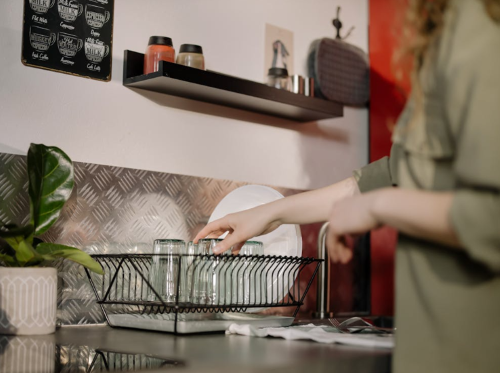
Few rooms embody the function vs. style debate like the kitchen. It’s the home’s heart and, increasingly, its showroom. Granite countertops gleam under pendant lights, but if you’ve ever cooked a full meal, you know style means nothing when your trash bin is nowhere near the prep zone.
Open shelving is a prime example. Gorgeous? Absolutely. But unless you’re prepared to alphabetize your spices and own matching plates, it’s a dust-collecting nightmare. And don’t get started on matte black faucets that look like sculpture but spot at the sight of water.
The lesson here: kitchens work best when designed around movement, not magazine spreads. A triangle between fridge, stove, and sink still beats out any color palette.
Bathrooms and the Illusion of Luxury
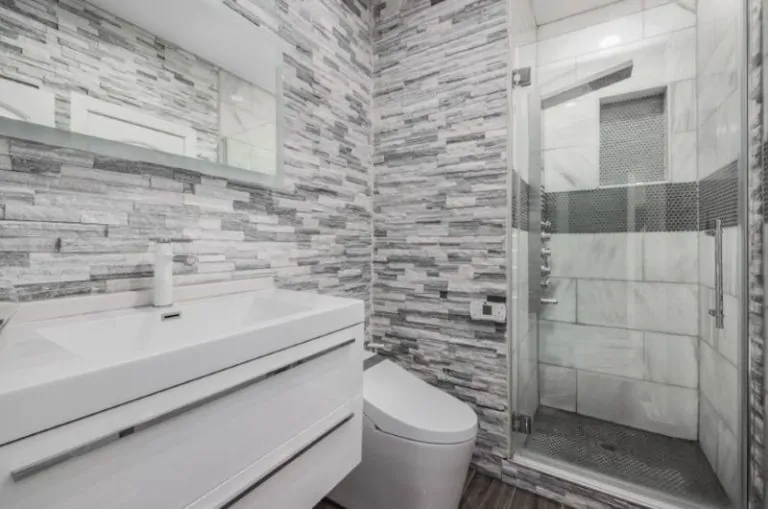
The bathroom has become a new frontier for design indulgence. Walk-in rain showers, freestanding tubs, dimmable lighting, and towel warmers seem pulled straight from a five-star spa brochure. But then comes reality.
Where do the toothbrushes go? Why is there no storage for toilet paper? And how, exactly, are you supposed to clean behind that floating vanity?
Many trendy bathrooms offer serenity at a glance but deliver chaos in daily use. The trick isn’t to abandon the dream of a luxe lavatory—it’s to plan with both eye and elbow grease in mind. Hidden cabinets, durable materials, and functional lighting can preserve the spa vibe without sacrificing your sanity.
Furniture that Works Harder Than You Think
Multi-functional furniture is having a moment—and it’s not just because people are living in smaller spaces. From ottomans with storage to sofas that convert into beds (and occasionally back into torture devices), the modern home is a shape-shifter.
This trend reflects a deeper cultural shift: Americans are valuing flexibility over permanence. With remote work, hybrid schedules, and frequent moves becoming the norm, furniture has to keep up. You might be entertaining guests on Friday and using that same table as a workstation by Monday.
This adaptability isn’t just practical—it’s philosophical. We’re designing our homes to respond to real life, not some static vision of “ideal living.” And maybe that’s the smartest style of all.
Color, Texture, and the Psychology of Feeling “Home”
Beyond furniture and appliances, there’s the vibe—the feeling of home. Interior design isn’t just about what things look like, but how they make us feel. Warm wood tones can calm the nervous system. Cool blues can foster focus. Lighting, natural or artificial, can make or break a room’s emotional resonance.
Right now, there’s a noticeable shift toward cozy, lived-in aesthetics. Think fewer stark whites and more earthy tones. This may be a reaction to broader societal fatigue. After years of pandemic stress and global uncertainty, people want homes that hug them back, not homes that glare with pristine perfection.
Designers are picking up on this, blending colors and textures that evoke warmth, familiarity, and even nostalgia. That reclaimed wood coffee table? It’s a rebellion against everything feeling too digital, too fast, too cold.
What the Future Looks Like (Hint: It’s Comfortable)
Looking ahead, the balance between function and style will continue evolving, especially as economic and environmental pressures grow. With interest rates making homeowners rethink big renovations, smaller, smarter upgrades are gaining appeal.
Swapping outdated light fixtures, adding modular storage, incorporating sustainable materials, or investing in adaptable furniture such as a loveseat from Home Reserve can transform a space without blowing the budget.
Younger generations, especially Millennials and Gen Z, are prioritizing experience over aesthetics. Their homes aren’t just pretty—they’re purpose-driven. Whether it’s a desk nook that doubles as a meditation zone or a laundry area with motion sensor lighting, the future home won’t ask you to choose between looking good and living well. It will expect to do both.
So the next time you wonder whether your space is stylish enough, ask yourself a better question: Does it work for the life I actually live? If the answer is yes—and your feet are warm, your lighting makes sense, and your outlets are exactly where you need them—congratulations. You’ve mastered the elusive art of home.
About the Author