Homes are not static objects. From the day they’re built, they begin responding to daily use, weather, and the changing needs of the people who live inside them. Floors wear down, materials age, and layouts that once made sense can slowly become impractical. This is a natural part of residential architecture, not a failure of it. What determines how long a home remains functional and comfortable is how well it adapts over time.
Renovation plays a critical role in that adaptation. Rather than replacing entire structures, thoughtful renovation allows homes to evolve while preserving their core character. It addresses wear before it becomes damage, updates systems that no longer perform well, and aligns interior spaces with modern living. When approached strategically, renovation is not just a design choice. It’s an architectural tool that extends the life of a home and keeps it relevant for decades.
Why Strategic Renovation Preserves Structural and Functional Integrity
Not all parts of a home age at the same pace. Some spaces handle constant use, moisture, and mechanical strain, making them more vulnerable to deterioration. When these areas are ignored, small issues can grow into larger structural problems that affect the entire building. This is why investing in home renovation services is essential to address underlying issues early and maintain the home’s structural and functional integrity.
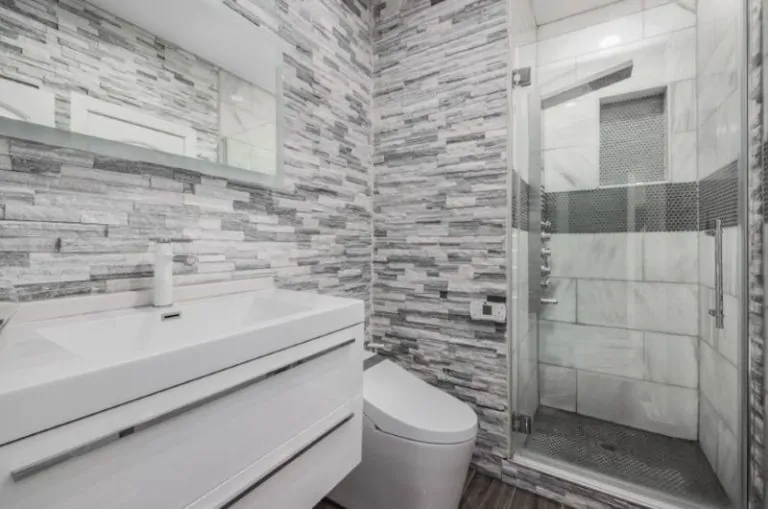
One example is bathroom remodeling, which addresses one of the most demanding environments in a home. Bathrooms are exposed to daily moisture, temperature changes, and heavy use, all of which can impact plumbing, ventilation, and surrounding materials. Updating these spaces allows professionals to repair aging systems, improve airflow, and replace worn surfaces before hidden damage spreads. Skilled exterior and interior renovation services like these help homeowners identify problem areas early and apply durable solutions that protect both the space itself and the structure around it.
Strategic renovation works because it focuses on prevention. Instead of reacting to major failures, it strengthens a home at its most vulnerable points, maintaining both functionality and long-term stability.
Renovation as a Response to Changing Lifestyles
Homes are built for a moment in time, but people rarely stay the same. Families grow, age, work from home, and adjust how they use space. A house that once felt perfect can start to feel limiting simply because daily routines have changed.
Renovation allows architecture to respond to those shifts. By updating layouts, improving accessibility, or modernizing interior spaces, a home can continue to serve its occupants without requiring replacement. This adaptability is one of the strongest arguments for renovation. It respects the original structure while allowing it to support new ways of living, which ultimately keeps the home occupied, cared for, and relevant.
Balancing Preservation and Modern Function
One concern homeowners often have is losing architectural character when renovating. Older homes, in particular, carry design details and proportions that are difficult to recreate. Effective renovation doesn’t erase those elements. It works around them.
By integrating modern systems discreetly and selecting materials that complement existing design, renovation can enhance function without compromising identity. The goal is not to make a home look new, but to make it work better. When preservation and modernization are balanced thoughtfully, the result is a home that feels both authentic and comfortable.
Accessibility improvements follow the same principle. Adding a home elevator, for example, allows multi-story homes to serve all occupants without disrupting original layouts or finishes. Understanding home elevator costs as part of a broader renovation budget helps homeowners plan thoughtfully, ensuring that functional upgrades serve the home’s long-term livability while respecting its architectural integrity.
Improving Performance Through Renovation
Beyond appearance, renovation has a direct impact on how well a home performs. Aging structures often struggle with poor ventilation, inefficient layouts, and outdated materials. Over time, these issues affect comfort, energy use, and durability.
Renovation provides an opportunity to improve insulation, airflow, lighting, and water management. These improvements reduce strain on the building and make everyday living more comfortable. When performance improves, the home becomes easier to maintain, which further extends its usable life.
Why High-Use Spaces Matter Most
Some areas of a home experience far more stress than others. Kitchens, bathrooms, entryways, and utility spaces are used multiple times a day, every day. These spaces often show signs of wear long before other parts of the house.
Renovating high-use areas has a disproportionate impact on a home’s longevity. Addressing wear in these spaces reduces the risk of leaks, structural weakening, and system failure. It also improves daily functionality, which encourages consistent upkeep. When homeowners feel comfortable using and maintaining their space, the home naturally lasts longer.
Renovation and Residential Sustainability
From an architectural standpoint, renovation is one of the most sustainable choices available. Demolition and rebuilding consume large amounts of material and energy, while renovation works with what already exists.
Extending the life of a home reduces waste and preserves established neighborhoods. It also respects the resources already invested in the structure. Renovation aligns well with sustainable design principles by prioritizing reuse, efficiency, and long-term performance over short-term replacement.
The Relationship Between Maintenance and Renovation
Maintenance and renovation are closely connected. Regular upkeep slows deterioration, but renovation often addresses the deeper issues that maintenance alone cannot fix. Over time, small maintenance tasks reveal patterns, recurring moisture, outdated layouts, or systems that no longer meet current standards.
Renovation responds to those patterns with permanent solutions. Instead of patching the same issue repeatedly, renovation resolves the underlying cause. This proactive approach reduces long-term costs and keeps the home structurally sound.
Renovation as an Investment in Continuity
Homes contribute to the character of neighborhoods and communities. When houses are maintained and renovated rather than abandoned or replaced, architectural continuity is preserved. Streetscapes remain familiar, housing stock stays usable, and communities remain stable.
Renovation supports this continuity by allowing homes to evolve without disappearing. It honors the original design while preparing the structure for future use. Over time, this approach strengthens both individual homes and the broader architectural landscape.
Long-Term Value Beyond Appearance
While renovation often improves aesthetics, its true value lies deeper. A well-renovated home functions better, lasts longer, and adapts more easily to future needs. These benefits are not always visible immediately, but they shape how the home performs over decades.
Renovation also increases confidence in the structure. When critical systems are updated and vulnerable spaces are reinforced, homeowners can invest in their space without fear of hidden problems. That confidence encourages care, customization, and long-term occupancy.
Renovation plays a vital role in extending the life of residential architecture. By addressing wear, adapting to changing lifestyles, and improving performance, it allows homes to remain functional and relevant long after their original design moment has passed. Rather than viewing renovation as a cosmetic upgrade, it’s more accurate to see it as architectural stewardship. Thoughtful renovation preserves structure, supports sustainability, and bridges the gap between past design and future living. When done well, renovation doesn’t just update a home. It ensures it continues to serve generations to come.
About the Author