Across cultures and centuries, human beings have marked time with celebration. From birth to marriage, harvest to coronation, milestones have always carried meaning far beyond the event itself. They represent identity, continuity and connection.
By tracing how societies have celebrated key life moments throughout history, we gain insight into what truly matters across generations.
Rituals of Protection and Passage in Ancient Beginnings
In ancient civilizations, milestones were rarely casual affairs. They were sacred transitions. In Ancient Egypt, for example, birthdays were often associated with gods and pharaohs rather than ordinary citizens. The celebration marked not simply another year of life but a form of spiritual rebirth.
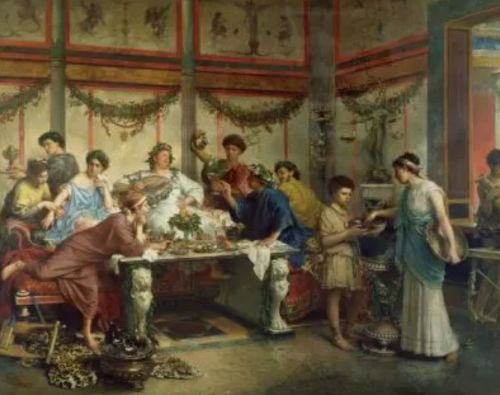
Similarly, in Ancient Rome, birthdays were commemorated with offerings and feasts, particularly for men of status. Protective rituals were common, reflecting the belief that life transitions made individuals vulnerable to unseen forces.
Coming-of-age ceremonies were also significant. In Ancient Greece, young people participated in rites that symbolized their transition into adulthood. These events were less about personal indulgence and more about communal acknowledgement of responsibility and maturity.
Medieval and Religious Influences on Celebration
During the medieval period in Europe, celebrations were closely tied to religion. Saints’ feast days often overshadowed individual birthdays. For many, baptism held greater importance than birth itself. Life milestones were intertwined with faith and community structures.
Royal events, however, were marked lavishly. Coronations, weddings, and anniversaries of reigns were public spectacles. These ceremonies reinforced hierarchy, power, and continuity. Celebrations were political as much as personal.
Over time, as literacy increased and calendars became more widespread, personal anniversaries began to hold greater significance. Families recorded births more carefully, and domestic celebrations slowly evolved.
The Rise of the Modern Birthday
The idea of celebrating individual birthdays gained popularity in the 18th and 19th centuries. In Germany, the tradition of “Kinderfest” helped shape the modern birthday party, complete with cakes and candles. Each candle symbolized a year of life, and the act of making a wish carried hopeful symbolism.
By the Victorian era in United Kingdom, birthdays had become more family-centered occasions. Gift-giving, personalized cards, and decorative gatherings became common among the middle classes. Industrialization also played a role, making printed materials and sweets more accessible.
The simple act of counting years transformed into a reflection of progress, survival, and aspiration.
Cultural Variations in Milestone Celebrations
Around the world, milestone celebrations developed unique characteristics. In Japan, “Seijin no Hi” marks the transition into adulthood at age twenty. In many Latin American cultures, the quinceañera celebrates a girl’s fifteenth birthday as a symbolic step into maturity.
Wedding anniversaries also became structured milestones. The tradition of marking silver (25 years) and golden (50 years) anniversaries gained prominence in Europe before spreading globally. These celebrations emphasized endurance, partnership, and legacy.
Across cultures, the pattern remains consistent. Milestones are opportunities to pause, reflect and reaffirm belonging.
Counting Time in the Digital Age
The way we measure milestones has changed dramatically in the digital era. Social media reminders prompt us about friends’ birthdays, event planning has moved online, and milestones are shared instantly across continents.
Yet the emotional impulse remains the same. People still count the days leading up to meaningful occasions. The anticipation itself is part of the celebration. For those curious about upcoming milestones, you can find out how many days until your birthday with Giga Calculator. Tools like this highlight how time continues to shape our sense of identity and expectation.
The digital shift has not diminished the importance of milestones. Instead, it has amplified them. Birthdays now trigger global messages. Anniversaries resurface through memory notifications, and celebrations extend beyond physical gatherings into shared digital spaces.
Why Milestones Endure
At their core, milestones are markers of continuity. They remind us that life unfolds in chapters. Each year, each anniversary, each rite of passage connects past experience with future possibility.
Celebrations also strengthen community bonds. Whether in ancient temples, medieval halls, or modern homes, gathering to mark time reinforces shared identity. It signals that individual journeys matter within collective narratives.
In fast-moving societies, milestones offer structure. They provide natural moments for reflection. They allow people to measure growth not just in years, but in wisdom, relationships and resilience.
A Timeless Human Instinct
From ancient rituals to contemporary birthday countdowns, celebrations have always helped humans make sense of time. While the details may differ across eras and cultures, the instinct to honour life’s turning points remains constant. Milestones are more than dates on a calendar. They are affirmations of existence, memory, and hope. As history shows, no matter how societies evolve, the desire to mark life’s significant moments endures.
About the Author