Medieval sumptuary laws sought to control status through appearance, but by restricting luxury they intensified desire, encouraged defiance, and exposed the limits of regulating human behavior.

By Matthew A. McIntosh
Public Historian
Brewminate
Introduction: Control, Desire, and the Logic of Prohibition
Sumptuary laws in medieval Europe emerged from a persistent tension between authority and aspiration, reflecting elite efforts to regulate economic behavior and visible expressions of identity. These laws sought to impose limits on consumption, particularly in clothing and luxury goods, to reinforce social hierarchies that were increasingly under strain. In theory, they preserved distinctions between classes by restricting access to markers of status. They reveal a more complicated dynamic where attempts to control appearance intersected with the powerful human impulse toward imitation and display.
At the heart of these regulations was the assumption that desire could be managed through prohibition. By limiting who could wear certain fabrics, colors, or adornments, medieval authorities aimed to reduce excess and prevent the erosion of established social boundaries. Yet this logic underestimated the social and psychological aspects of consumption. The very act of declaring certain goods off-limits did not eliminate their appeal; instead, it often heightened desire for them. Luxury items became symbols of wealth and aspiration precisely because they were restricted, transforming prohibition into a form of indirect promotion. The law itself helped construct the meaning of luxury, amplifying the symbolic power of restricted goods and embedding them more deeply within systems of social competition and identity formation.
The post–Black Death environment intensified these tensions, as demographic collapse and economic change enabled new forms of social mobility. Wealth was no longer confined to hereditary elites, and the rising merchant and artisan classes sought to express their success through visible means. Sumptuary laws attempted to halt this process by reasserting traditional distinctions, but they drew attention to the shifting nature of status itself. The gap between legal restriction and social reality widened, as individuals increasingly possessed the means to challenge the boundaries that the law enforced.
Medieval sumptuary laws functioned less as effective tools of social control and more as mechanisms that inadvertently amplified the behaviors they sought to restrain. By framing luxury as both forbidden and desirable, these laws contributed to a cycle of imitation, evasion, and escalation that undermined their purpose. Examining the origins, enforcement, and consequences of these regulations shows that efforts to govern desire through prohibition often produce paradoxical outcomes. The medieval experience offers a compelling case study in the limits of authority when confronted with the enduring dynamics of aspiration and social display.
The Origins of Sumptuary Laws: Order after Crisis
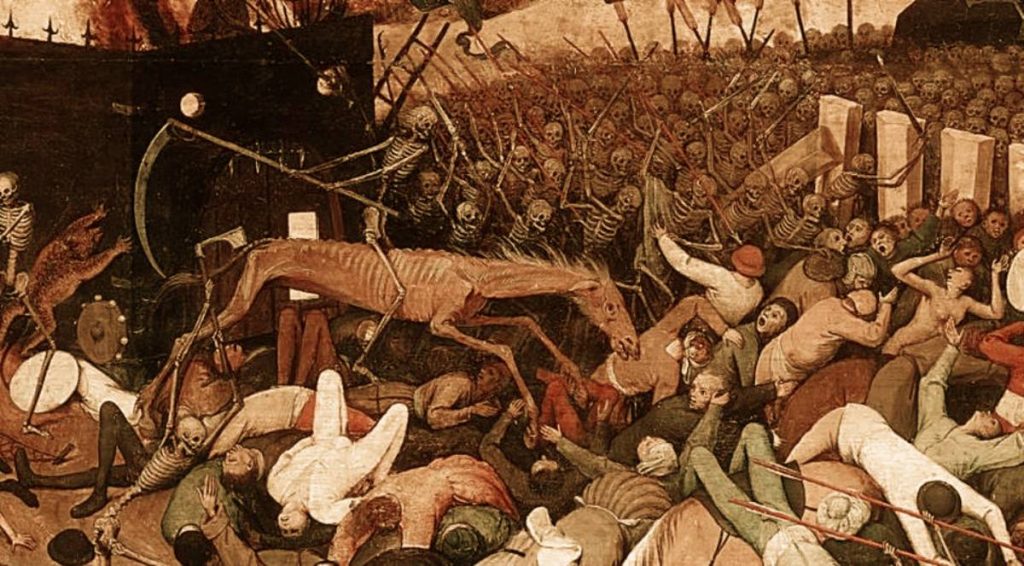
The emergence of sumptuary laws in medieval Europe must be understood within the broader context of social disruption and economic transformation that followed the Black Death of the fourteenth century. The demographic collapse caused by the plague dramatically altered labor markets, wealth distribution, and patterns of consumption. With fewer people available to work, wages rose in many regions, and individuals from lower social strata found themselves with increased economic means. This shift unsettled traditional hierarchies that had long depended on rigid distinctions between classes, prompting elites and governing authorities to seek mechanisms through which social order could be preserved and reasserted.
Sumptuary legislation functioned as a response to perceived disorder and aimed to regulate outward signs of status and stabilize a rapidly changing society. Clothing became a focal point for these efforts, as it served as one of the most visible markers of social identity. Authorities feared that the ability of non-nobles to acquire and display luxurious attire would blur the distinctions that underpinned the social and political structure of medieval life. By restricting access to certain materials, colors, and styles, sumptuary laws attempted to maintain a clear visual hierarchy, ensuring that status remained legible and enforceable in everyday interactions. They also transformed clothing into a legally defined language of class, one in which each fabric, color, and adornment carried regulated meaning tied directly to one’s place within the social order.
These laws were not solely economic in nature but were also deeply embedded in moral and cultural frameworks. Medieval thinkers often associated luxury and excess with moral decay, linking extravagant consumption to sin, vanity, and social instability. Sumptuary laws were frequently justified not only as tools of social regulation but also as instruments of moral discipline. By curbing what was perceived as excessive display, authorities sought to promote values of moderation and humility, aligning legal restrictions with broader religious and ethical ideals that emphasized restraint and order.
The enactment of sumptuary laws reveals the growing visibility and influence of the emerging middle classes. Merchants, artisans, and other non-noble groups increasingly participated in economic life in ways that allowed them to accumulate wealth and challenge traditional social boundaries. Their ability to adopt the symbols of elite status represented both an opportunity for social advancement and a threat to established hierarchies. Sumptuary legislation can be seen as an attempt to contain this transformation, limiting the extent to which economic success could translate into social mobility. Yet the very necessity of such restrictions suggests that these boundaries were already becoming permeable, as wealth increasingly enabled individuals to contest inherited distinctions through visible display and consumption.
The origins of sumptuary laws reflect a broader effort to impose stability on a society undergoing significant change. Faced with shifting economic realities and evolving social dynamics, medieval authorities turned to regulation as a means of preserving order. Yet the very need for such laws underscores the extent to which traditional hierarchies were already under pressure. Rather than preventing change, sumptuary laws often highlighted it, revealing the tension between inherited structures and emerging forms of social and economic life.
Regulating Appearance: Fabrics, Colors, and Class Identity

Sumptuary laws in medieval Europe focused heavily on regulating appearance, particularly through detailed restrictions on fabrics, colors, and adornments. These laws sought to create a visible and enforceable hierarchy, ensuring that one’s social status could be immediately recognized through dress. Clothing functioned not merely as protection or personal expression but as a coded language of class, wealth, and legitimacy. By controlling access to luxury materials such as silk, velvet, and fine wool, authorities aimed to prevent the blurring of social distinctions that had become increasingly fluid in the aftermath of economic change.
Color played an equally significant role in this system of regulation, as certain dyes were both expensive and symbolically powerful. Deep reds, purples, and richly dyed blues were often reserved for the nobility or specific ranks within society, reflecting both their cost and their association with authority and prestige. The ability to wear such colors signaled not only wealth but also legitimacy within the social order. Sumptuary laws extended beyond material restrictions to encompass aesthetic ones, dictating not just what could be worn but how it could be displayed, reinforcing the visual grammar of hierarchy in everyday life.
Furs and other luxury materials were also tightly controlled, with specific types reserved for particular social ranks. Garments trimmed with ermine, sable, or other costly furs served as clear indicators of status, and their use was often restricted to the highest levels of society. These materials carried both economic and symbolic weight, making them ideal targets for regulation. By limiting their use, authorities sought to preserve their exclusivity and prevent their dilution through broader adoption. Sumptuary laws attempted to maintain the scarcity and prestige of elite symbols by legally enforcing their boundaries. Yet the persistence of demand for such materials meant that their symbolic value often increased rather than diminished, as scarcity and restriction heightened their desirability among those excluded from their use.
The regulation of appearance was not solely about preserving hierarchy but also about shaping identity. By dictating what individuals could wear, sumptuary laws influenced how people perceived themselves and others within the social structure. Dress became a means through which identity was both expressed and constrained, with legal restrictions reinforcing the connection between outward appearance and internalized status. This relationship between law and identity highlights the extent to which authority sought to govern not only behavior but also the symbolic dimensions of social life.
Gender played a central role in the enforcement of these regulations, with women often subjected to particularly strict controls. Authorities frequently framed female consumption as a source of moral and social disorder, associating elaborate dress with vanity and excess. Many sumptuary laws focused specifically on women’s clothing, imposing limits on ornamentation, fabric, and style. These restrictions reflected broader cultural anxieties about gender roles and the perceived influence of women within households and communities, positioning them as both consumers and symbols of moral regulation. These laws reveal the extent to which female appearance was tied to broader concerns about social order, with women’s dress functioning as a visible site through which anxieties about hierarchy, morality, and control were negotiated.
Despite the specificity and detail of these laws, their effectiveness remained limited, as individuals found ways to navigate, reinterpret, or ignore the restrictions imposed upon them. The very precision of the regulations, which sought to define acceptable forms of dress in minute detail, created opportunities for creative compliance and subtle defiance. The regulation of appearance often revealed the limits of legal authority, as the desire for expression and status continued to shape behavior in ways that law alone could not fully control. Rather than eliminating the use of restricted items, these laws often transformed them into more potent symbols of aspiration, reinforcing the very dynamics of imitation and competition they were intended to suppress.
Enforcement and Evasion: Law in Practice

While medieval sumptuary laws were often elaborate in their prescriptions, their enforcement proved far more uneven and limited in practice. Authorities relied on local officials, urban magistrates, and occasionally guild structures to monitor compliance, but these mechanisms were inconsistent and frequently under-resourced. The sheer volume of regulations, combined with the difficulty of verifying materials, dyes, and garment construction, made systematic enforcement impractical. Many of these laws functioned more as declarations of intent than as rigorously applied policies, signaling ideals of order rather than consistently shaping behavior.
Penalties for violating sumptuary laws could be severe, including fines, confiscation of prohibited garments, and, in some cases, imprisonment. Yet the imposition of such penalties depended heavily on local context and the willingness of authorities to pursue enforcement. In many regions, officials exercised discretion, targeting certain individuals or groups while overlooking others. This selective enforcement undermined the credibility of the laws, as individuals came to understand that compliance was not uniformly required. The gap between prescribed penalties and actual enforcement contributed to an environment in which the law’s authority was more symbolic than practical. This inconsistency may have encouraged a broader cultural acceptance of noncompliance, as repeated experiences of uneven enforcement signaled that the risks associated with violation were manageable rather than prohibitive.
Evasion became a central feature of how these laws operated in everyday life. Individuals developed strategies to circumvent restrictions, often exploiting ambiguities in the regulations themselves. Substituting slightly different materials, modifying garment designs, or reinterpreting the letter of the law allowed people to maintain the appearance of compliance while effectively bypassing its intent. In some cases, artisans and tailors played an active role in this process, creating garments that technically adhered to legal standards while preserving the aesthetic qualities associated with restricted items.
The persistence of evasion reflects not only the limitations of enforcement but also the adaptability of social behavior in response to regulation. Rather than eliminating the desire for luxury and display, sumptuary laws encouraged individuals to find creative ways to express status within constrained conditions. This dynamic transformed the law into a framework within which negotiation and reinterpretation took place, rather than a fixed set of boundaries that strictly governed behavior. The interplay between regulation and evasion became a defining feature of the system, revealing the extent to which legal authority depended on cooperation that could not be fully compelled.
The gap between law and practice highlights the performative nature of sumptuary legislation. While these laws articulated a vision of social order grounded in visible hierarchy, their inconsistent enforcement limited their effectiveness as tools of control. Instead, they operated as statements of intent, reflecting the anxieties and aspirations of the societies that produced them. The widespread evasion of these regulations underscores the difficulty of imposing rigid controls on complex social behaviors, illustrating how legal frameworks can be reshaped by the very populations they seek to regulate.
Reverse Psychology: Desire, Imitation, and Status Anxiety
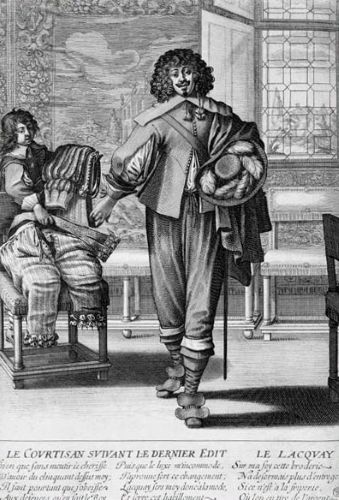
Sumptuary laws, while designed to limit luxury and reinforce hierarchy, often produced the opposite effect by intensifying the desire for the very goods they restricted. This dynamic can be understood through the logic of prohibition itself: when certain items are declared off-limits, they acquire heightened symbolic value. In medieval society, where status was communicated visually, restricted clothing and adornments became powerful markers of aspiration. Rather than diminishing their appeal, legal prohibition transformed these items into coveted symbols, reinforcing their desirability among those excluded from their use.
The relationship between desire and imitation played a central role in this process. Members of the rising merchant and artisan classes, newly empowered by economic change, sought to emulate the appearance of traditional elites. Clothing provided a direct and visible means of expressing this aspiration, allowing individuals to signal their success and challenge established boundaries. Sumptuary laws, by explicitly defining what was reserved for the upper classes, clarified the markers of status that others sought to imitate. They inadvertently provided a blueprint for social emulation, guiding the very behavior they were intended to suppress.
This pattern of imitation contributed to a broader sense of status anxiety, particularly among elites who perceived their distinctiveness as increasingly under threat. As non-noble groups adopted elements of elite dress, the visual markers that had once signified clear social divisions became less reliable. In response, elites often intensified their own displays of wealth, seeking new ways to differentiate themselves through even more elaborate or exclusive forms of consumption. This escalation created a feedback loop in which imitation and distinction drove one another, amplifying the overall level of conspicuous consumption within society. This dynamic may have contributed to a continuous recalibration of status markers, as elites sought ever more refined or inaccessible symbols to maintain their distinction in the face of widespread imitation.
The role of visibility in this process cannot be overstated. Sumptuary laws operated within a cultural context in which public appearance carried significant social meaning, and the regulation of dress made these meanings more explicit. By codifying distinctions between permissible and impermissible forms of display, the laws heightened awareness of status differences and the means by which they could be expressed. This increased visibility not only reinforced existing hierarchies but also made them more contestable, as individuals became more attuned to the symbols through which status was communicated and negotiated.
The persistence of imitation despite legal restriction highlights the limitations of authority in shaping social behavior. Desire, particularly when linked to identity and recognition, proved resistant to regulation. Individuals did not simply abandon aspirations to status because of legal constraints; instead, they adapted their behavior, seeking ways to approximate or reinterpret elite markers within the boundaries of the law. This adaptability underscores the dynamic relationship between regulation and response, in which attempts at control generate new forms of behavior that challenge their effectiveness. Sumptuary laws not only failed to suppress imitation but actively structured the ways in which it occurred, shaping both the forms of emulation and the strategies through which individuals navigated social boundaries.
The phenomenon of reverse psychology within sumptuary law reveals a deeper insight into the nature of social regulation. Efforts to restrict access to symbols of status often enhance their significance, transforming them into focal points of desire and competition. In medieval Europe, this dynamic contributed to a cycle of imitation and escalation that undermined the intended purpose of sumptuary legislation. Rather than stabilizing hierarchy, these laws exposed its fragility, demonstrating how the forces of aspiration and display could reshape social boundaries despite attempts to contain them.
Mockery and Subversion: Fashion as Resistance
Beyond evasion and imitation, sumptuary laws in medieval Europe also provoked forms of mockery and subversion that reveal the cultural limits of legal authority. Individuals did not merely comply with or quietly circumvent these regulations; in many cases, they actively engaged with them in ways that exposed their contradictions. Fashion became a site of negotiation and even resistance, where the rigid prescriptions of the law were reinterpreted, exaggerated, or subtly undermined. This dynamic highlights how legal attempts to control appearance could be transformed into opportunities for creative expression.
One of the most striking forms of subversion involved what might be described as “literal compliance,” in which individuals adhered to the technical requirements of the law while violating its intended spirit. For example, regulations concerning modesty or the opacity of veils could be followed in ways that rendered them effectively meaningless, such as by using materials that technically met the criteria but undermined the law’s purpose. These practices demonstrate a sophisticated engagement with legal language, as individuals exploited ambiguities and loopholes to preserve autonomy over their appearance while avoiding direct confrontation with authority.
Satirical and exaggerated fashion choices further illustrate how clothing could function as a form of commentary on sumptuary regulation. By adopting styles that pushed the boundaries of what was permitted, individuals could draw attention to the arbitrariness of the rules themselves. Such displays may have served not only as personal expressions but also as collective signals that the legitimacy of the laws was open to question. Fashion became a medium through which social critique could be articulated, challenging the assumption that authority could fully dictate the terms of identity and display. These exaggerated forms of dress could also function as visual irony, highlighting the gap between the law’s intent and its actual effects in everyday life.
Artisans and tailors played a crucial role in facilitating these forms of subversion. As the creators of garments, they possessed the technical knowledge required to navigate the complexities of sumptuary regulations. By designing clothing that adhered to the letter of the law while preserving elements of restricted styles, they enabled clients to participate in acts of controlled defiance. This collaboration between producers and consumers underscores the extent to which resistance to sumptuary laws was embedded within broader social and economic networks, rather than confined to individual acts.
The existence of such practices also points to the cultural dimension of resistance, in which law and society interacted in ways that were not strictly adversarial but dialogic. Rather than rejecting authority outright, individuals engaged with it, interpreting and reshaping its prescriptions in everyday life. This process blurred the line between compliance and defiance, as actions that appeared to conform to legal requirements simultaneously undermined their effectiveness. The result was a form of resistance that operated within the framework of the law itself, revealing its limitations from within. The lived experience of sumptuary regulation became one of ongoing negotiation, where individuals continuously tested the boundaries of authority and redefined the meaning of compliance.
The mockery and subversion associated with sumptuary laws demonstrate that efforts to regulate appearance could not fully contain the social meanings attached to dress. By turning regulation into an object of play, critique, and reinterpretation, medieval individuals asserted a degree of agency that challenged the authority of legal prescriptions. These practices highlight the resilience of cultural expression in the face of constraint, illustrating how attempts at control can generate forms of resistance that both expose and exploit the weaknesses of the systems that seek to impose them.
Economic Consequences: Consumption, Imports, and Ruin

Sumptuary laws were often justified not only as tools of social regulation but also as measures designed to protect local economies from excessive consumption and foreign imports. Authorities feared that the demand for luxury goods, particularly imported textiles, dyes, and adornments, would drain wealth from the kingdom and destabilize domestic markets. By restricting access to such goods, legislators aimed to curb spending on non-essential items and encourage economic moderation. In theory, these measures would preserve wealth within the realm while reinforcing moral and social order.
These economic objectives frequently proved elusive. Rather than reducing demand for luxury goods, sumptuary laws often intensified it by elevating the status associated with restricted items. As certain fabrics and adornments became markers of exclusivity, their desirability increased among both elites and aspiring social groups. This heightened demand could stimulate continued or even expanded importation, as merchants responded to persistent consumer interest despite legal constraints. Even when enforcement mechanisms were present, they rarely succeeded in eliminating the flow of such goods, as traders adapted by rerouting supply chains, disguising materials, or exploiting regional variations in regulation. The attempt to suppress consumption paradoxically contributed to its reinforcement, illustrating the limits of regulatory intervention in shaping economic behavior.
The impact of these dynamics was particularly visible among elite classes, who were often the primary consumers of luxury goods. In an environment where status was closely tied to visible display, elites faced pressure to maintain and enhance their appearance through increasingly elaborate forms of dress. Sumptuary laws, by codifying distinctions, could intensify this pressure, as elites sought to assert their superiority through adherence to or expansion of permissible markers. This competitive display sometimes led to significant expenditures, contributing to patterns of consumption that strained individual resources and, in some cases, led to financial difficulty.
The persistence of demand for restricted goods created opportunities for economic activity that operated outside or alongside official channels. Merchants, artisans, and traders adapted to regulatory constraints by finding ways to supply desired items, whether through legal reinterpretation or informal exchange. In some regions, this meant the growth of gray markets where goods circulated with minimal oversight, while in others it involved the deliberate manipulation of categories, such as labeling fabrics in ways that skirted legal definitions. These practices not only undermined the effectiveness of sumptuary legislation but also fostered a culture of negotiation between regulators and economic actors. This adaptability underscores the resilience of market mechanisms, as economic actors responded to incentives rather than to the prescriptive aims of legislation.
The economic consequences of sumptuary laws highlight the paradox at the heart of their design. Intended to limit consumption and protect economic stability, these laws frequently contributed to increased demand, continued imports, and intensified competition among consumers. Rather than conserving resources, they often amplified the very behaviors they sought to restrain, demonstrating how attempts to regulate economic activity can produce unintended outcomes when they fail to align with underlying patterns of desire and exchange.
Gender, Blame, and Moral Policing

Sumptuary laws were not applied evenly across medieval society; instead, they often reflected and reinforced deeply embedded assumptions about gender. Women became frequent targets of these regulations, which framed their consumption and appearance as sources of moral and social disorder. Authorities portrayed female desire for luxury as a destabilizing force, capable of undermining household economy, encouraging vanity, and eroding traditional hierarchies. Sumptuary legislation functioned not only as economic or social policy but also as a form of moral policing that sought to regulate behavior through the control of women’s bodies and choices.
The association between women and excessive consumption was rooted in broader medieval anxieties about gender roles and social change. As economic conditions shifted in the aftermath of the Black Death, women in some regions gained greater access to wages, property, and participation in urban economies. These developments challenged established norms and prompted concerns about the visibility of female autonomy. Sumptuary laws responded by attempting to reassert control, linking acceptable appearance to prescribed social roles and reinforcing the expectation that women should embody modesty and restraint.
Clothing became a powerful symbol of both compliance and transgression. Regulations frequently specified what women could and could not wear, including restrictions on fabrics, colors, and ornamentation. Such rules were often justified in moral terms, presenting modest dress as a reflection of virtue and excessive adornment as a sign of moral failing. Yet these prescriptions also reveal the extent to which appearance was tied to broader concerns about order and hierarchy, as controlling how women dressed became a way of asserting authority over their place within society. These rules often relied on highly specific and sometimes impractical distinctions, requiring observers to identify subtle differences in materials or construction, which further complicated enforcement. The very visibility of clothing made it both an ideal target for regulation and a persistent challenge for authorities seeking consistent compliance.
The enforcement of these laws exposed contradictions in the logic of moral regulation. While women were often blamed for encouraging luxury consumption, they were also subject to expectations shaped by male-dominated social structures. Marriages, family alliances, and public reputation frequently depended on displays of status, which could include elaborate clothing and adornment. Women were both constrained by and instrumental to systems that valued visible expressions of wealth, highlighting the tension between moral prescription and social practice. This dual role placed women in a precarious position, as they were expected to embody both restraint and display, navigating conflicting demands that could shift depending on context, class, and circumstance.
The focus on women in sumptuary legislation also served to deflect attention from broader economic and social dynamics. By attributing excess to individual behavior, particularly that of women, authorities could frame issues of consumption and inequality as moral problems rather than structural ones. This emphasis on personal responsibility obscured the role of wider economic forces, including trade networks, production systems, and shifting class relations, in shaping patterns of consumption. The gendered nature of enforcement reflects not only cultural attitudes but also strategies of governance that sought to simplify complex realities.
The intersection of gender, blame, and moral policing in sumptuary laws underscores the multifaceted nature of these regulations. Far from being neutral instruments of social order, they were embedded in cultural narratives that linked appearance to morality and authority to control. By targeting women as both symbols and agents of excess, these laws reveal how efforts to regulate consumption were intertwined with broader attempts to define and enforce social norms. They highlight the enduring relationship between power, identity, and the politics of visibility.
Comparative Perspective: Sumptuary Laws Across Regions

Sumptuary laws were not unique to any single medieval society but appeared across Europe in varied forms, reflecting local conditions, political structures, and cultural priorities. Italian city-states, English kingdoms, and French territories each developed their own regulatory frameworks, often with distinct emphases on class, gender, and economic control. Despite these differences, a common underlying objective persisted: the preservation of social hierarchy through the regulation of visible consumption. Examining these regional variations reveals both the adaptability of sumptuary legislation and the shared challenges that undermined its effectiveness.
In the Italian city-states, sumptuary laws were particularly elaborate and frequently revised, reflecting the dynamic and competitive nature of urban life. Cities such as Florence, Venice, and Bologna issued detailed regulations governing everything from wedding expenditures to the number of decorative elements permitted on garments. These laws were often tied to civic identity and public order, as authorities sought to balance economic prosperity with moral restraint. The specificity of these regulations, sometimes extending to minute details of fabric composition or ornamentation, indicates both the ambition of lawmakers and their concern with visible markers of status in densely populated urban settings. Yet the constant need to update and reissue regulations suggests that enforcement remained inconsistent, and that the pressures of social competition continued to drive consumption despite legal constraints.
England presents a somewhat different case, where sumptuary laws were shaped by both royal authority and parliamentary action. Statutes such as those issued under Edward III attempted to regulate dress according to rank and income, linking consumption directly to social status and economic capacity. These measures reflected concerns about the erosion of traditional hierarchies in the wake of demographic and economic change. As in other regions, enforcement was uneven, and the persistence of social mobility made it difficult to maintain rigid distinctions through legal means alone.
In France, sumptuary regulations often intersected with broader efforts to assert royal authority and cultural cohesion. French laws addressed not only clothing but also feasting, ceremonies, and other forms of display, reflecting a holistic approach to the regulation of consumption. The monarchy’s involvement in these measures underscores the political dimension of sumptuary legislation, as controlling appearance became a way of reinforcing centralized power. Regional diversity within France complicated enforcement, as local customs and economic conditions influenced how laws were interpreted and applied. In practice, this meant that the effectiveness of such regulations varied widely, with some areas adhering more closely to royal directives while others adapted them to fit local realities or ignored them altogether.
Across these regions, the comparative evidence highlights both the ambition and the limitations of sumptuary laws. While authorities consistently sought to regulate consumption and preserve hierarchy, the outcomes were shaped by local contexts and the adaptability of individuals and markets. The recurrence of similar challenges, including evasion, selective enforcement, and unintended economic effects, suggests that the difficulties associated with sumptuary regulation were not confined to any one society. Instead, they reflect broader patterns in the relationship between law, culture, and economic behavior in the medieval world.
Historiography: Interpreting Sumptuary Laws
Following is a video about sumptuary laws in medieval England:
Historians have long debated the purpose and effectiveness of sumptuary laws, producing a body of scholarship that reflects broader shifts in historical methodology and interpretation. Early studies tended to treat these laws as straightforward expressions of elite anxiety, emphasizing their role in preserving rigid social hierarchies. In this view, sumptuary legislation represented a defensive response to economic and demographic change, particularly in the aftermath of the Black Death. By focusing on the intentions of lawmakers, this approach highlighted the ideological foundations of regulation while often assuming a degree of effectiveness that later scholarship would question.
More recent historiography has challenged this assumption by examining the gap between legislative intent and lived experience. Scholars have argued that sumptuary laws should be understood not simply as tools of control but as part of broader systems of governance that sought to shape behavior through norms and expectations rather than strict enforcement. This perspective shifts attention away from the success or failure of individual statutes and toward the cultural and social processes that they both reflected and influenced. It situates sumptuary laws within a wider context of moral regulation and social negotiation.
Cultural historians have emphasized the role of clothing and consumption in the construction of identity, arguing that sumptuary laws reveal as much about social aspirations as they do about elite authority. Studies have explored how individuals engaged with these regulations in creative and sometimes subversive ways, using fashion to navigate and redefine social boundaries. This approach highlights the agency of historical actors, suggesting that the meaning of sumptuary laws cannot be fully understood without considering how they were interpreted and contested in everyday life. The focus on material culture complements earlier institutional analyses by providing insight into the lived realities of regulation.
These historiographical developments underscore the complexity of interpreting sumptuary laws. Rather than viewing them solely as instruments of repression or as ineffective curiosities, contemporary scholarship presents them as dynamic components of medieval society, embedded in networks of power, culture, and economy. This evolving understanding reflects a broader shift in historical inquiry toward integrating structural analysis with attention to individual experience, revealing the multifaceted nature of regulation and its consequences.
Conclusion: The Limits of Regulating Desire
Sumptuary laws stand as a revealing case study in the enduring tension between authority and human behavior. Conceived as instruments to preserve hierarchy, enforce morality, and stabilize economies, these laws sought to regulate one of the most visible expressions of identity: appearance. Yet across regions and centuries, they consistently encountered the same fundamental obstacle. Desire, particularly when tied to status and social recognition, proved resistant to legal constraint. Rather than eliminating the impulse to display wealth or emulate higher ranks, regulation often reshaped and intensified it.
The failure of these laws was not merely a matter of weak enforcement, though that was certainly a factor. More fundamentally, they were based on a misreading of the relationship between law and social practice. By assuming that consumption could be controlled through prohibition, authorities overlooked the symbolic power of restricted goods. Luxury items did not lose their appeal when banned; they became more meaningful, more desirable, and more central to the negotiation of identity. In attempting to suppress visible markers of change, sumptuary laws instead illuminated them, drawing attention to the very transformations they sought to conceal.
This dynamic also reveals the adaptability of individuals and communities in the face of regulation. Whether through evasion, reinterpretation, or outright mockery, medieval people engaged actively with the constraints imposed upon them. Markets adjusted, artisans innovated, and consumers found ways to navigate or circumvent legal boundaries. The result was not a static system of control but an ongoing process of negotiation, in which authority and practice continually reshaped one another. The history of sumptuary laws is less a story of enforcement than of interaction between competing forces.
The medieval experience underscores a broader lesson about the limits of governing human behavior. Laws can define boundaries and articulate ideals, but they cannot easily override the social and psychological drivers of desire. When regulation fails to account for these forces, it risks producing outcomes that run counter to its intentions. The history of sumptuary legislation offers a cautionary perspective, reminding us that efforts to control expression, consumption, or identity must contend with the complex and often unpredictable realities of human motivation.
Bibliography
Affiliate disclosure: Amazon links on this site are paid links. As an Amazon Associate I earn from qualifying purchases.
- Aspers, Patrick and Frédéric Godart. “Sociology of Fashion: Order and Change.” Annual Review of Sociology 39 (2013), 171-192.
- Baldwin, John W. The Medieval Theories of the Just Price. Philadelphia: American Philosophical Society, 1959.
- Britnell, Richard H. The Commercialisation of English Society 1000–1500. Manchester: Manchester University Press, 1996.
- Dyer, Christopher. Making a Living in the Middle Ages: The People of Britain 850–1520. New Haven: Yale University Press, 2002.
- —-. Standards of Living in the Later Middle Ages: Social Change in England c.1200–1520. Cambridge: Cambridge University Press, 1989.
- Goldberg, P. J. P. Women, Work, and Life Cycle in a Medieval Economy: Women in York and Yorkshire c.1300–1520. Oxford: Clarendon Press, 1992.
- Herlihy, David. The Black Death and the Transformation of the West. Cambridge, MA: Harvard University Press, 1997.
- Hunt, Alan. Governance of the Consuming Passions: A History of Sumptuary Law. New York: St. Martin’s Press, 1996.
- Jones, Ann Rosalind, and Peter Stallybrass. Renaissance Clothing and the Materials of Memory. Cambridge: Cambridge University Press, 2000.
- Killerby, Catherine. Sumptuary Law in Italy 1200–1500. Oxford: Oxford University Press, 2002.
- Munro, John H. “Industrial Transformations in the North-West European Textile Trades, c. 1290–c. 1340.” In Before the Black Death, edited by Bruce M.S. Campbell, 110–148. Manchester: Manchester University Press, 1991.
- Newton, Stella Mary. Fashion in the Age of the Black Prince: A Study of the Years 1340–1365. Woodbridge: Boydell Press, 1980.
- Phillips, Kim M. Medieval Maidens: Young Women and Gender in England, 1270–1540. Manchester: Manchester University Press, 2003.
- Rublack, Ulinka. Dressing Up: Cultural Identity in Renaissance Europe. Oxford: Oxford University Press, 2010.
- Schneider, Jane. “Peacocks and Penguins: The Political Economy of European Cloth and Colors.” American Ethnologist 5:3 (1978), 413-447.
- Thrupp, Sylvia L. “Social Control in the Medieval Town.” The Journal of Economic History 1 (1941), 39-52.
Originally published by Brewminate, 04.07.2026, under the terms of a Creative Commons Attribution-NonCommercial-NoDerivatives 4.0 International license.
About the Author