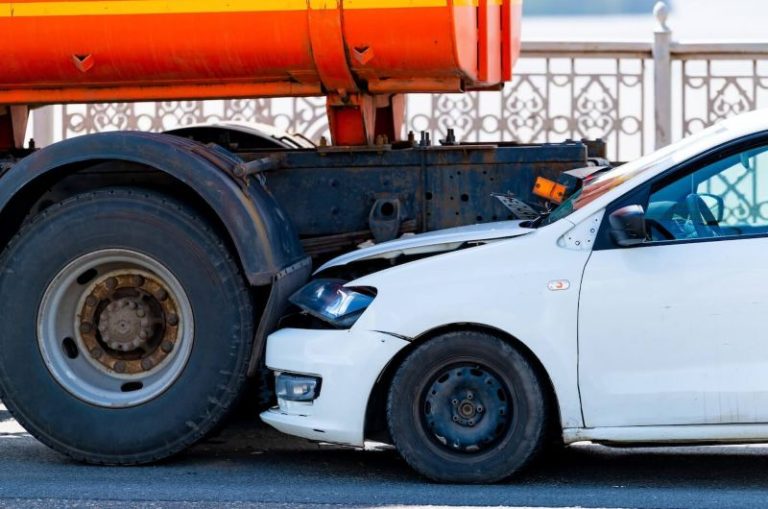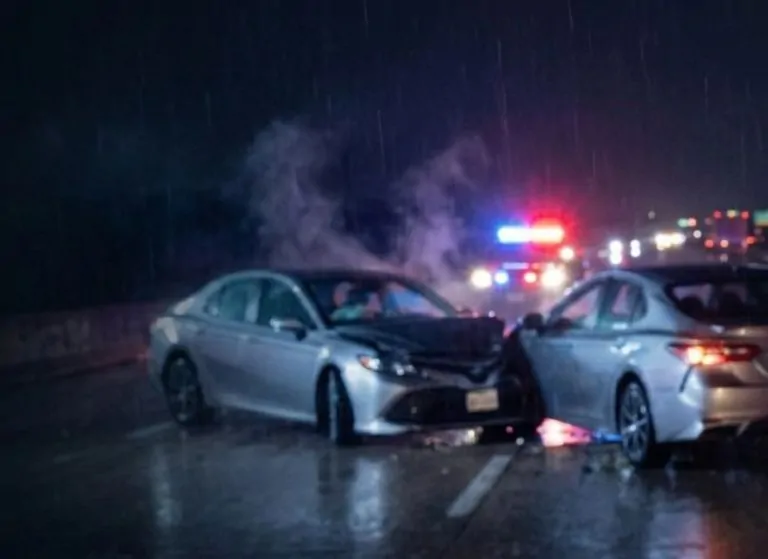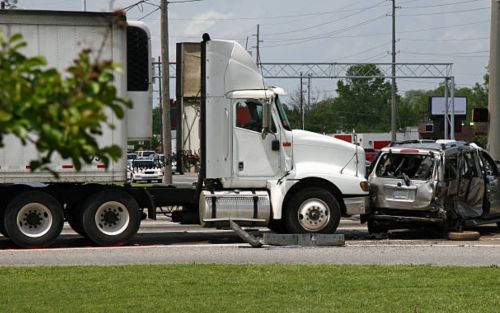
A highway collision involving a massive commercial vehicle is rarely a straightforward event with a simple solution. The sheer size of these machines guarantees that any impact results in extensive damage and complex questions. Victims often struggle to make sense of the chaos while facing medical treatment and mounting bills.
The path to resolution becomes crowded with various corporate entities defending their financial interests from the very first day. Insurance adjusters and corporate representatives move quickly to limit their exposure and protect their bottom lines. It is vital to look past the immediate scene to see the larger picture.
Sorting through these overlapping layers of corporate accountability requires a firm grasp of complex trucking liability laws. This vital legal framework determines who must pay for the severe, resulting highway harm.
Driver Conduct and Compliance
The operator of a commercial vehicle bears a heavy burden to keep the public safe on shared highways. Every decision made behind the wheel can prevent or cause a catastrophic event in a split second. Their physical and mental readiness remains paramount during long hauls.
Federal regulations dictate strict hours of service limits to prevent extreme fatigue from dulling a driver’s reflexes. When an operator ignores these rest mandates, they become a dangerous hazard on the road. Distractions like mobile devices only compound this risk during busy shifts.
Documenting a driver’s daily logs and digital footprints is always the first crucial step in establishing individual blame. Showing a clear pattern of noncompliance reveals exactly why the heavy vehicle failed to stop in time to avoid hitting other innocent public motorists.
Carrier Liability and Oversight
Motor carriers have a legal duty to monitor their operations and ensure that only qualified professionals operate their fleet. Rushing the onboarding process to fill empty seats often leads to unqualified drivers operating massive vehicles on public transit lines daily, increasing risks for all standard commuters nearby.
Companies must conduct comprehensive background checks and verify past safety records before dispatching any vehicle. Neglecting these vital screening steps represents a severe administrative failure that directly endangers everyone on the highway today. Safe habits require constant, active institutional support from management.
Carriers are also responsible for maintaining complete qualification files and tracking electronic logs for ongoing safety violations. When companies actively encourage fast deliveries over basic safe operation, they must share the legal blame for the resulting highway wreckage that impacts families.
Third Party Loading Failures
The people who secure and organize cargo inside a commercial trailer play a silent yet critical role in daily roadway safety. When cargo is packed too hastily, the overall distribution of weight can become highly uneven across the axles.
An imbalanced load causes a vehicle to sway or lean dangerously when navigating sharp highway curves. This extreme physical instability makes it incredibly difficult for even experienced operators to maintain proper lane control in sudden, critical traffic moments.
Securing cargo properly is just as vital as managing the total cargo weight. Shifting items inside a moving trailer change the vehicle’s center of gravity in a single split second. This sudden, violent movement can cause a catastrophic rollover or force the heavy truck into oncoming lanes, establishing loading company liability for damages.
Mechanical Defects and Maintenance
A commercial vehicle relies on complex mechanical systems that must function perfectly under intense, high speed conditions to ensure public safety. When a critical component breaks down without warning, even the most skilled operator becomes completely helpless.
Tire blowouts and sudden braking malfunctions represent extremely dangerous mechanical crises that regularly lead to devastating highway collisions. These serious failures often stem directly from underlying manufacturing defects or cheap, low quality replacement parts used during previous vehicle servicing.
When an independent maintenance facility performs negligent repairs or fails to spot a glaring defect, they share legal liability. Tracing the exact history of the failed component reveals whether a negligent mechanic or parts manufacturer must answer for the catastrophic damage caused to innocent commuters sharing public transit routes with these heavy vehicles daily.
Conclusion
Uncovering the true cause of a commercial collision requires a highly detailed, thorough investigation that goes far beyond a basic police report. Finding real justice always means looking closely at every single corporate entity involved in the transportation process.
Advocates must analyze driver logs, fleet hiring files, cargo manifests, and mechanical event data to build a highly compelling civil claim. Gathering this objective evidence prevents wealthy corporate insurance carriers from unfairly shifting blame onto innocent motorists.
Holding every single negligent party fully accountable ensures that victims receive the complete financial recovery they require to heal and protect their families from sudden debt. It also encourages broad industry reform that keeps public highways safe for everyone, dramatically reducing preventable tragedies and protecting countless innocent lives during daily travel across the country.
About the Author