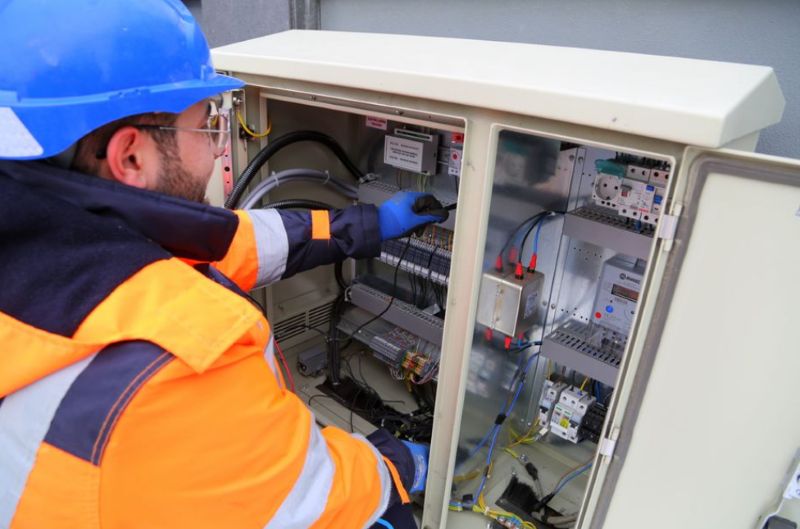
Small electrical problems are easy to shrug off when you’re busy running a business. A flickering light seems harmless. A breaker that trips once in a while feels annoying, not urgent. But those little issues can quietly chip away at safety, comfort, and your bottom line. If you manage a shop, office, restaurant, or other workspace, it helps to know when a small electrical nuisance is actually waving a tiny red flag. A little attention now can save you from a much bigger headache later.
Warning Signs Matter
You don’t need to be an electrician to notice when something feels off. Lights that flicker for no clear reason, outlets that stop working, switches that feel warm, or breakers that keep tripping are all signs worth paying attention to.
At first, these problems can seem like ordinary building quirks. Maybe your office is older. Maybe your retail space has “personality.” Still, repeated electrical issues usually mean something behind the scenes needs attention.
If the same problems keep popping up, it may be time to bring in a commercial electrical service that can inspect the system and fix the real cause before it grows.
Buzzing sounds are another clue people ignore. Electricity should do its job quietly. If an outlet or panel starts sounding like a grumpy bee, that’s not charm. That’s a warning. Even one strange sign can be your business’s way of saying, “Please don’t wait until Monday.”
Safety Comes First
Electrical issues aren’t just inconvenient. They can create real safety problems for everyone in the building. That includes employees, customers, delivery drivers, and anyone else who walks through your door.
A warm outlet might not seem dramatic, but heat and wiring problems are a bad combo. Overloaded circuits can damage equipment or, in worst cases, raise fire risk. Extension cords stretched across rooms also become trouble fast. They’re easy to trip over, and they often get used as long-term fixes when they really shouldn’t.
You should also think about what’s plugged in every day. Cash registers, computers, refrigerators, copiers, phone chargers, and coffee makers all compete for power. It adds up quickly.
If your electrical panel is struggling, your business may be operating with less protection than you think. Safety isn’t only about avoiding disaster. It’s about creating a workplace that feels reliable and calm. No one does their best work while wondering why the lights are doing a disco routine.
Downtime Costs More
When electrical problems interrupt your day, the costs stack up fast. Some losses are obvious, like equipment shutting off during business hours. Others sneak in more quietly.
Imagine a retail store with half its lights out. Customers may assume the place is closing or poorly managed. In a restaurant, one faulty circuit can affect refrigeration, prep equipment, or front-of-house comfort. In an office, repeated outages can stop work, delay calls, and frustrate both staff and clients.
Then there’s the stop-and-start effect. Even short interruptions break focus and slow people down. A team that keeps resetting equipment or working around power issues loses momentum. That doesn’t show up on a repair invoice, but it still costs money.
Business owners sometimes delay fixing electrical trouble because they want to avoid the expense. Fair enough. But waiting can turn a manageable repair into emergency downtime, and emergency downtime is usually the more expensive option. It’s a bit like ignoring a leaky roof because a bucket seems cheaper. That plan has a short shelf life.
Old Systems Struggle
A lot of business spaces were built for a different era. Years ago, the electrical demand in a small office or storefront looked very different from what it does now. Today, even simple workplaces rely on more devices, more lighting, and more climate control.
You may have added workstations, upgraded display lighting, installed security systems, or brought in new kitchen or warehouse equipment. Each change might seem small on its own. Together, they can put serious strain on an older setup.
This doesn’t always mean the building is unsafe or falling apart. It often just means the system wasn’t designed for the way you use the space now. Growth is good, but your wiring has to keep up with your ambition.
If your breakers trip more often after adding equipment, or certain areas can’t handle basic daily demand, that’s a clue. Your business may have outgrown its original electrical capacity. It happens more often than people think, especially in older commercial buildings with modern workloads.
These kinds of changes can also make periodic electrical inspections important. In the Netherlands, for example, businesses can have their electrical installations and equipment assessed through a Scope 10 keuring, which focuses on potential fire risks. Insurers may also request evidence of such an inspection.
When To Call Early
You don’t have to wait for sparks, smoke, or a full power loss to ask for help. In fact, calling early is usually the smartest move. Small issues are often easier and less expensive to solve before they spread.
You should act quickly if you notice burning smells, hot outlets, repeated breaker trips, buzzing panels, dimming lights when equipment turns on, or power that cuts in and out in the same area. Those aren’t harmless quirks. They’re signs your system is under stress.
Even if the problem seems minor, recurring issues deserve a proper look. Temporary fixes can create a false sense of security. Resetting a breaker over and over is not a strategy. It’s more like pressing snooze on a problem that doesn’t plan to go away.
Early action also gives you more control. You can schedule repairs at a better time, plan around business hours, and avoid the panic of an emergency call when everything suddenly stops working at once.
Smart Maintenance Habits
You don’t need a complicated system to stay ahead of electrical problems. A few simple habits can make a big difference over time.
Start by encouraging staff to report issues right away. If someone notices a flickering light, a dead outlet, or a switch that feels odd, that should be passed along instead of ignored. Small observations are often the first clue.
It also helps to keep electrical panels and access points clear. If technicians can reach what they need quickly, repairs and inspections go more smoothly. Avoid stacking boxes or supplies in front of important areas just because the corner looked convenient.
You should also think ahead when adding new equipment. Before plugging in another fridge, printer, or heavy-duty machine, consider whether your current setup can handle it comfortably.
Routine checks, timely repairs, and upgrade planning won’t make your business glamorous, but they will make it steadier. And steady is good. When your power works the way it should, everything else has a better chance to run smoothly too.
About the Author