Intersections ask strangers to trust each other for a few seconds. One vehicle moves forward, another prepares to turn, and both depend on timing, distance, and attention lining up perfectly. Motorcycle riders enter that space with less protection and less visibility than larger vehicles, even though they follow the same rules and signals as everyone else.
A single wrong judgment during a turn can change everything before there is time to react. Conversations about legal help after a motorcycle accident often begin around these crashes because the story told at the scene is not always the full story that evidence later reveals.
The Split-Second Problem Riders Face at Intersections
Motorcycle crashes involving left turns usually happen quickly, but the conditions behind them build slowly over several seconds. A driver approaches an intersection, sees a gap in traffic, and decides there is enough time to complete the turn.
The problem is that motorcycles do not always appear the same way larger vehicles do. Their size can make them seem farther away than they really are. Their speed can be misjudged even if they are traveling normally with the flow of traffic.
That combination creates one of the most common and dangerous situations riders face on the road.
The Left-Turn Setup: What Usually Goes Wrong
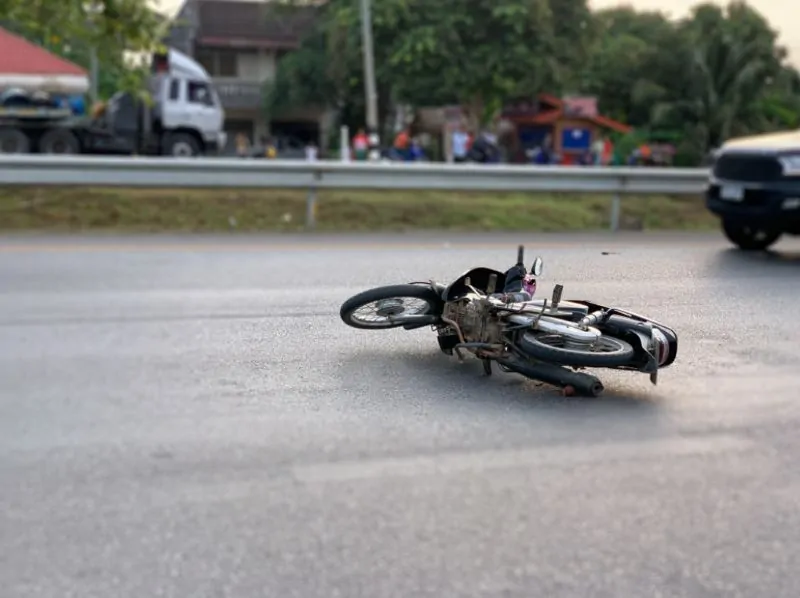
A typical left turn crash follows a familiar pattern. A rider travels straight through an intersection while another driver turns across the rider’s path. The available space disappears almost instantly, leaving little room for braking or steering away from danger.
Motorcycles require balance, traction, and time to stop safely. Cars can sometimes absorb a sudden movement or hard brake more easily than motorcycles can. Riders often have only a fraction of a second to react to a vehicle moving directly into their lane.
That is why these crashes often lead to serious injuries even at lower speeds.
Why “I Didn’t See the Motorcycle” Is Not the Whole Story
Those five words appear often after motorcycle collisions. Sometimes they are spoken honestly. Other times they become the beginning of a much larger discussion about visibility, attention, and timing.
Not seeing a motorcycle does not automatically explain why the collision happened. Investigators may look at traffic conditions, road design, weather, lighting, and distractions that could have affected the driver’s decisions.
Visibility is more complicated than simply asking whether the motorcycle was present. The real question often becomes whether enough attention was given to seeing what was already there.
The Details That Decide How the Crash Is Understood
Left turn motorcycle crashes often depend on details that seem small during the first hours after the collision but become important later.
Signal Timing and Right of Way
Traffic signals create expectations for everyone using an intersection. Investigators may review light sequences, turning lanes, and right of way issues to understand how both vehicles entered the intersection.
Vehicle Speed and Turning Distance
Distance changes quickly during turning movements. Even small errors in judging speed or space can leave a driver with less time than expected to complete the turn safely.
Rider Visibility and Lane Position
Motorcycles can legally occupy different positions within a lane for safety and visibility reasons. Lane position alone does not automatically explain why a crash happened.
Skid Marks, Damage Points, and Camera Footage
Physical evidence often tells its own version of events. Damage patterns, roadway markings, and nearby cameras can help investigators rebuild what happened during those final seconds.
The Blame Game Riders Often Face After the Crash
Motorcyclists sometimes face assumptions before investigations are fully complete. Speed becomes an early topic of discussion even without supporting evidence. Riding style, clothing, and bike type may receive attention that has little connection to the collision itself.
These assumptions can shape conversations before all facts become available. The challenge is that first impressions often travel faster than investigations.
Evidence usually moves more slowly, but it often provides a much clearer picture than early opinions.
Records That Help Rebuild the Intersection Story
Several pieces of information can become important after a left-turn crash:
- Traffic camera footage
- Witness statements
- Police reports
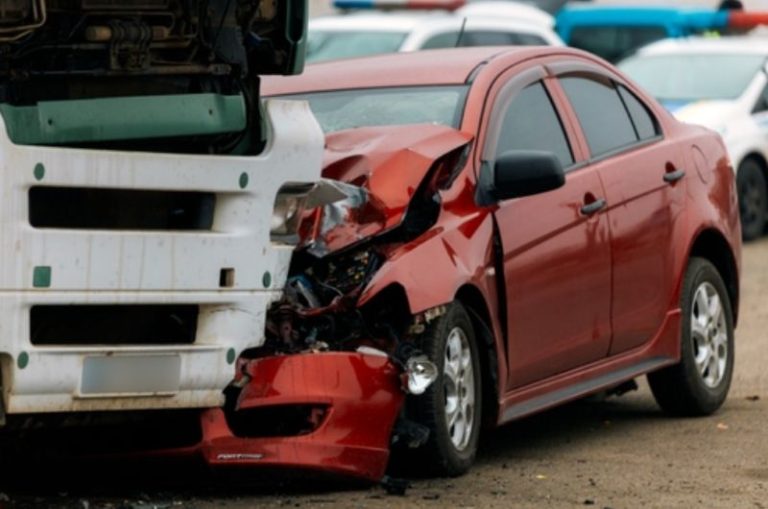
- Vehicle damage photographs
- Signal timing information
Each record adds another layer to the investigation. One item may not explain everything on its own, but several pieces together can create a more complete understanding of how the collision occurred.
Conclusion
Left turn motorcycle crashes often begin with a decision that the rider never had the power to control. A turning vehicle enters the path ahead, leaving only distance, reaction time, and physics to decide the outcome.
Because these collisions happen so quickly, early assumptions can easily replace careful investigation. Discussions about legal help after a motorcycle accident often focus on making sure the final story comes from evidence, timing, and facts rather than from the first explanation offered at the intersection.
About the Author