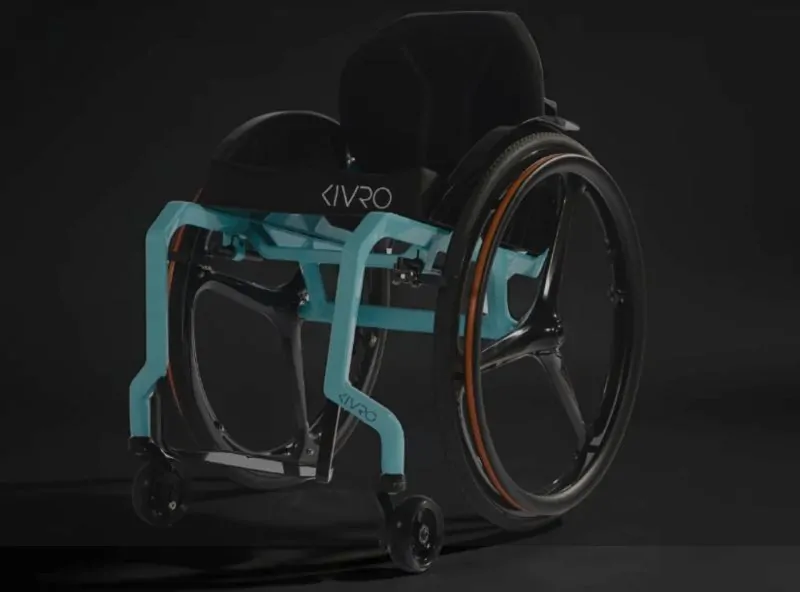
A premium wheelchair should feel like a natural part of daily life. Its size, frame, and controls should support posture, movement, comfort, and personal routines. Every detail should serve a clear purpose, from the seat dimensions to the wheel position. That level of care turns a mobility device into a chair shaped around the person who uses it.
The need for thoughtful wheelchair design is significant. The U.S. Census Bureau reported that 44.7 million people, or 13.6% of the civilian noninstitutionalized population, had a disability in 2023. A custom titanium wheelchair brings personal measurements, tailored frame geometry, and high-quality materials into one complete design. The following features explain what gives a premium chair its comfort, control, and lasting value.
1. Precise Fit
A precise fit supports the body in a stable and comfortable position. The chair should match the user’s shape instead of relying on general dimensions. Seat width, seat depth, back height, and footrest position can affect every push and transfer. Accurate sizing also helps the user reach the wheels without unnecessary strain.
Measurements That Shape Daily Comfort
- Seat width should support the hips without excess side space.
- Seat depth should support the thighs while keeping the knees comfortable.
- Back height should match posture and upper-body control.
- Footrest height should keep the legs in a balanced position.
- Wheel reach should support smooth pushes and practical transfers.
2. Titanium Frame
Titanium gives a premium wheelchair a strong and refined foundation. The material supports a lightweight frame while handling the forces created during daily movement. Its corrosion resistance suits humid climates, travel, and regular outdoor use. A clean titanium structure also gives the chair a polished appearance without excess decoration.
Material Qualities That Add Practical Value
- Low frame weight can reduce effort during transport.
- High strength supports regular use across varied settings.
- Corrosion resistance protects the frame in changing weather.
- Slim frame sections create a clean visual profile.
- Titanium can provide a responsive feel during propulsion.
3. Custom Geometry
Custom geometry determines how the wheelchair responds to the user. Rear axle position, wheelbase, seat angle, frame taper, and caster placement all shape control. Each measurement should suit the user’s balance, reach, strength, and usual surroundings. A tailored layout can also improve access to desks, tables, vehicles, and compact rooms.
Frame Details That Influence Handling
- Rear axle placement affects push effort and turning response.
- Wheelbase length supports stability and maneuverability.
- Seat angle can support posture and pelvic position.
- Front frame taper gives the legs practical support and clearance.
- Caster position shapes steering across smooth and uneven surfaces.
4. 3D Body Scanning
A 3D body scan captures detailed information about the user’s seated posture. It can record shoulder alignment, pelvic position, leg placement, and body shape. Designers can use this data to create a frame that reflects the user’s actual position. The scan also provides a clear visual reference before production starts.
Digital Details That Improve Accuracy
- Shoulder position helps determine backrest height and width.
- Pelvic alignment guides seat shape and frame balance.
- Leg position informs footrest placement and front frame design.
- Body symmetry data can reveal areas that need added support.
- Digital models allow careful adjustments before manufacturing.
5. Precision Manufacturing
Precision manufacturing turns a digital design into an accurate physical frame. Advanced metal production methods can create complex titanium sections and smooth structural connections. These techniques allow the frame to follow personal measurements with a high level of accuracy. Careful production also supports correct alignment and reliable component placement.
Quality Checks That Protect Performance
- Frame dimensions should match the final approved design.
- Wheel mounts should remain level and correctly positioned.
- Caster alignment should support smooth steering.
- Component clearances should suit transfers and daily movement.
- Surface finishes should feel smooth and consistent.
- Final inspections should cover fasteners, wheel locks, and upholstery.
6. Smooth Ride Control
Smooth ride control depends on the way several parts work together. Wheel position, frame stiffness, caster setup, tires, and upholstery tension all affect movement. The CDC reported that 12.2% of U.S. adults had a mobility disability in 2022, which points to the importance of equipment designed for practical daily mobility. A premium chair should respond clearly to each push while keeping movement steady and controlled.
Features That Shape Ride Quality
- Axle position can affect push effort and turning speed.
- Tire selection influences grip, vibration, and comfort.
- Caster size affects movement across uneven surfaces.
- Frame stiffness supports a direct response during propulsion.
- Upholstery tension influences posture and seat comfort.
- Wheel diameter should suit the user’s reach and travel needs.
7. Personalized Finishes
Personalized finishes give the wheelchair a clear identity. Frame texture, upholstery, wheel style, side guards, and hardware can reflect personal taste. These choices should also support clothing, transfers, storage, and everyday routines. A thoughtful finish brings appearance and function together in a balanced way.
Details That Support Personal Use
- Frame finishes can create a subtle or expressive look.
- Upholstery choices can support comfort and individual style.
- Side guard shapes can protect clothing and improve wheel clearance.
- Footrest designs can suit posture, footwear, and transfer habits.
- Accessory placement can support bags, cushions, or daily equipment.
- Hardware details can create a clean and coordinated appearance.
8. Integrated Frame Design
An integrated frame brings every structural element into one well-planned design. The seat, side sections, front taper, and wheel mounts should work together as a complete unit. This approach supports clean proportions and balanced weight distribution. It also gives the chair a refined shape without bulky or distracting details.
How An Integrated Frame Adds Value
- Smooth frame transitions support a clean and polished appearance.
- Balanced weight distribution can improve control during daily movement.
- Fewer exposed joints create a more seamless overall structure.
- Coordinated frame sections help preserve accurate custom geometry.
- A unified design can support strength without adding visual bulk.
- Integrated details can improve clearance around the legs and wheels.
Exact seat dimensions, posture data, wheel reach, and transfer needs shape the final wheelchair design. These details determine how the frame supports the body and responds during daily movement. A custom titanium wheelchair brings those details together through tailored geometry, skilled production, and refined materials. Precise fit supports comfort, while thoughtful frame design supports control. Digital tools and careful inspections help preserve accuracy from the first measurement to the final setup. The finished chair feels personal, practical, and purposeful from the first push.
About the Author