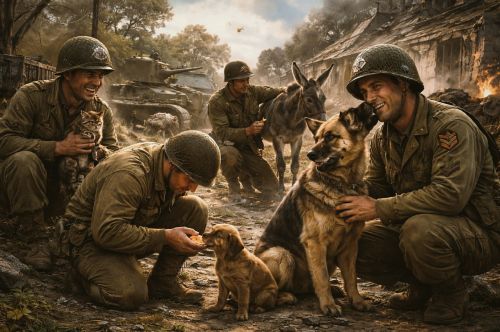
For the adopted dog, cat, or bird, being in a soldier’s care meant survival; for the soldier, a pet meant comfort and companionship on war’s brutal battlefields.
By Lisa B. Auel
Author and Historian
Introduction
When waging war against each other, human armies often enlist the aid of the animal kingdom. In past conflicts, horses, elephants, and camels hauled men and supplies; pigeons carried messages; dogs tracked enemies and protected troops. Their efforts helped to turn battles—and the fortunes of many a combat soldier.
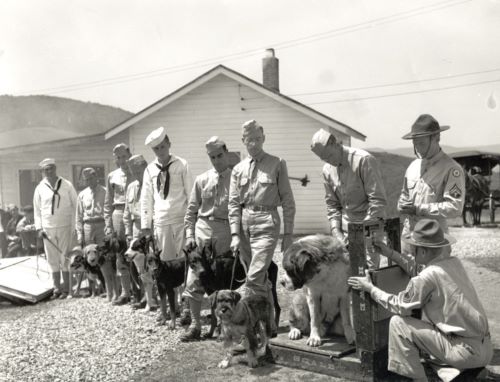
Carrying on this tradition, U.S. forces employed thousands of animals during World War II. They could be found in every theater of the war: They were workers and warriors; they were soldiers’ comrades-in-arms and companions in battle.
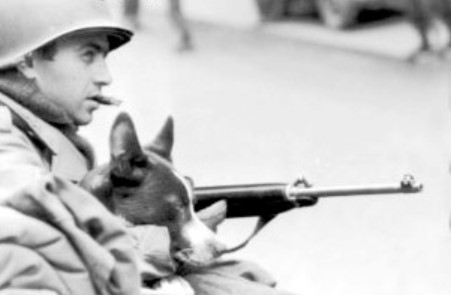
Their widespread presence on the battlefields was documented by government photographers covering the war. Today, hundreds of photographs of dogs and cats and horses can be found among the World War II holdings of the National Archives and Records Administration (NARA) Still Picture Branch in College Park, Maryland.
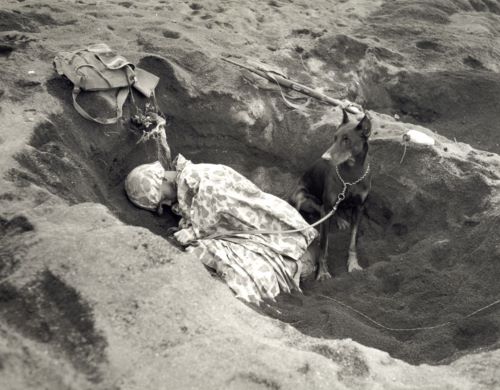
In 1993 NARA opened “Buddies: Soldiers and Animals in World War II,” a display of thirty-six of those images. Part of the NARA commemoration of the fiftieth anniversary of World War II, the exhibit is now traveling to museums throughout the country.
Workers and Warriors
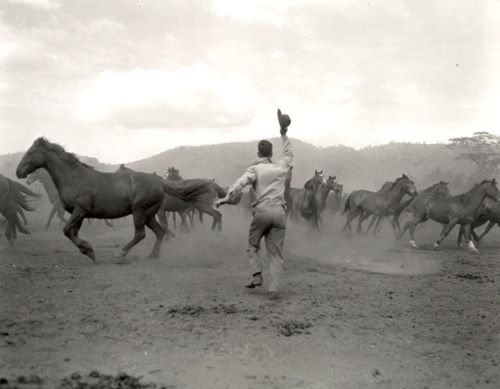
Horses, mules, and dogs were regularly employed by American forces to work on the battlefields of World War II. Horses carried soldiers on patrol missions in Europe and into battle in the Philippines.
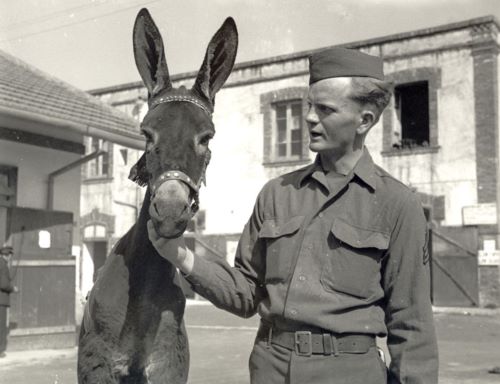
Mules, trained in the United States and shipped by the thousands into war zones, contributed their strength and sweat to the fight. Their backs bore the food, weapons, and sometimes the men of entire infantry units.
Some twenty thousand dogs served the U.S. Army, Coast Guard, and Marine Corps. They guarded posts and supplies, carried messages, and rescued downed pilots.
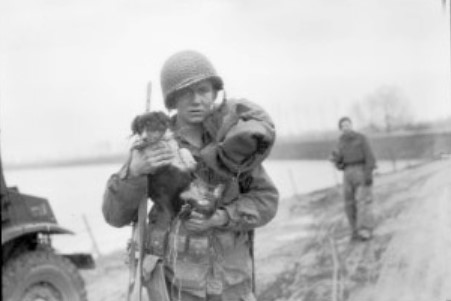
Scout dogs led troops through enemy territory, exposing ambushes and saving the lives of platoons of men. In the throes of combat, war dogs proved their intelligence, courage, and steadfast loyalty time and time again. Many photographs in National Archives holdings document the exploits—and the sacrifice—of America’s animal warriors.
Comrades and Companions
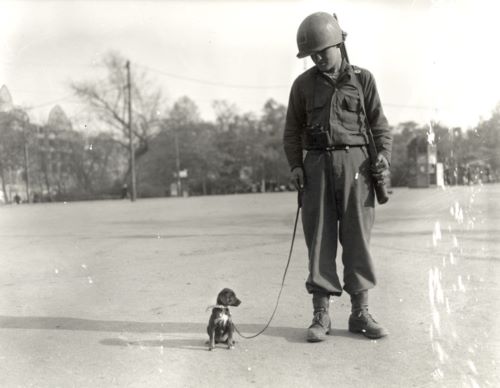
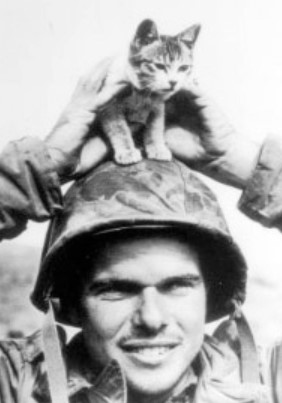
Many U.S. military units in World War II adopted animal mascots. Though traditionally considered bearers of good luck, these mascots were really pets who belonged to all the men of a squad, company, or ship.
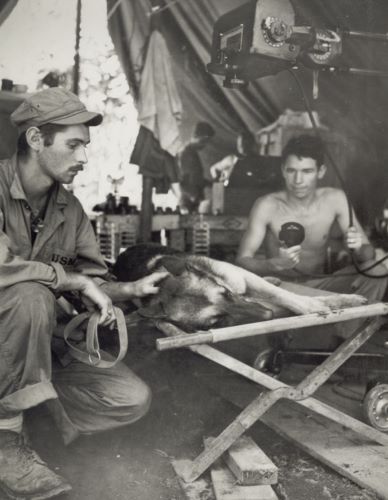
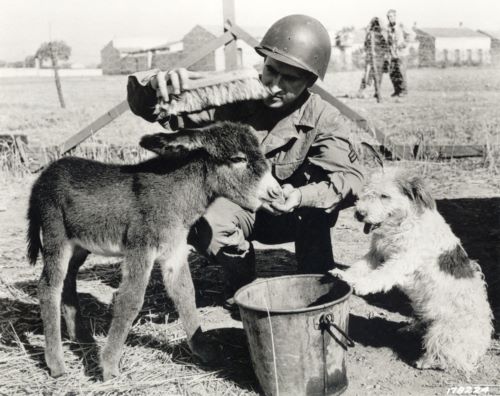
Military photographs show that individual soldiers also had their own pets. A few men smuggled them from the United States, but more often soldiers’ pets were local animals left homeless by the war.
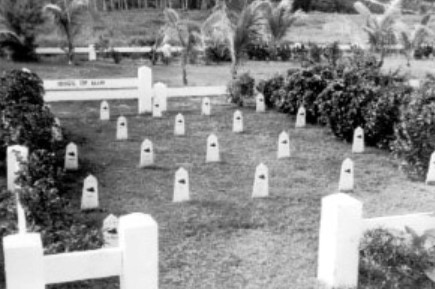
For the adopted dog, cat, or bird, being in a soldier’s care meant survival; for the soldier, a pet meant comfort and companionship on war’s brutal battlefields. “Buddies” commemorates the heartfelt, enduring relationships between soldiers and animals during World War II.
Originally published by Prologue 28:3 (Fall 1996), the United States National Archives and Records Administration, to the public domain.
About the Author