
Project Mohole aimed to reach Earth’s mantle. Its cancellation in 1966 exposed disputes over scientific priorities, even...
Science
Explore the history of science through the changing methods and institutions that transformed how people understand the natural world.
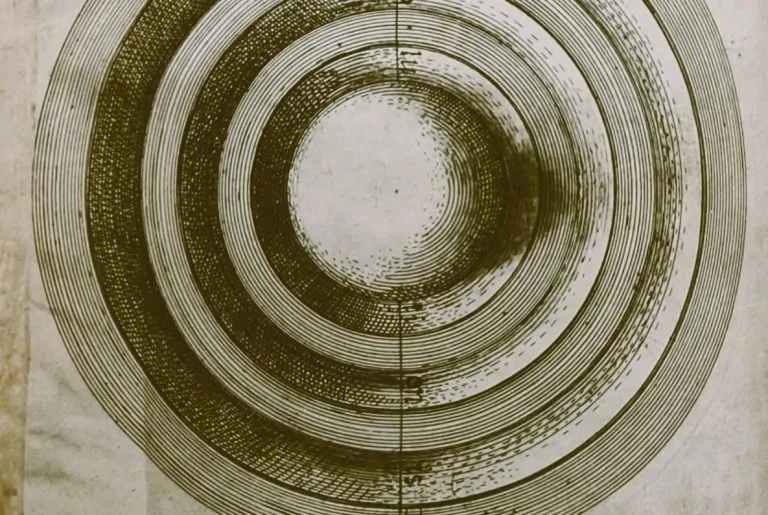
Changing compass readings led Edmond Halley to propose worlds inside Earth. Astronomy helped make them conceivable, but...
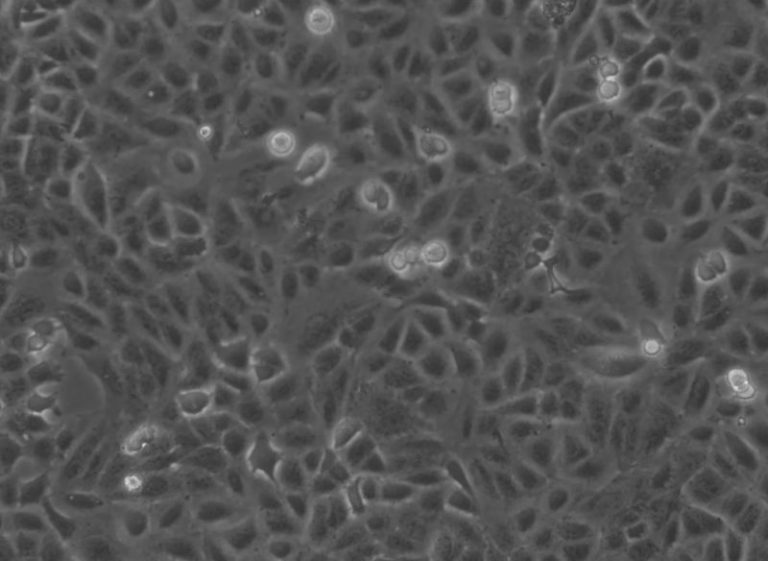
Understanding how diseases develop, progress, and respond to treatment is one of the greatest challenges in modern...
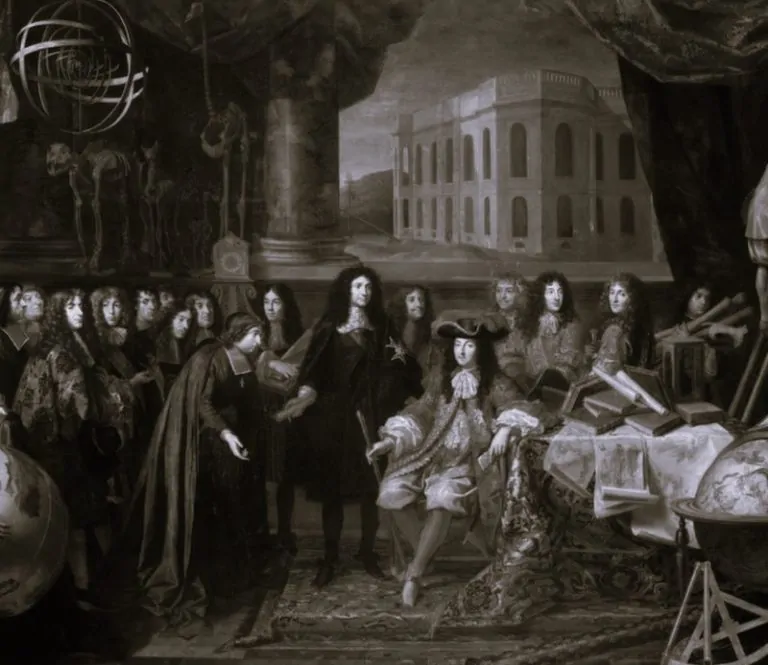
From fairy tales to the water cycle, the Perrault brothers challenged classical authority. Their careers reveal how...

Our body has three types of muscles, including skeletal muscles, cardiac muscles, and smooth muscle. Each type...
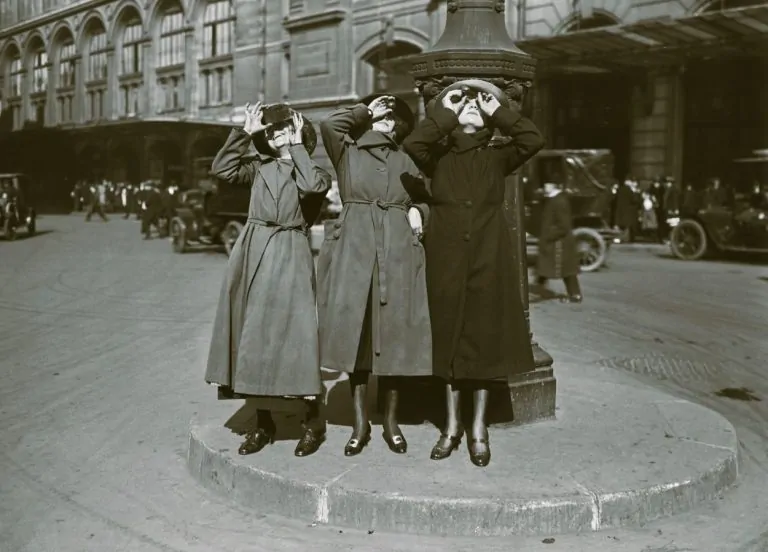
From Halley’s mapped shadow in 1715 to the 1919 test of general relativity, total solar eclipses helped...
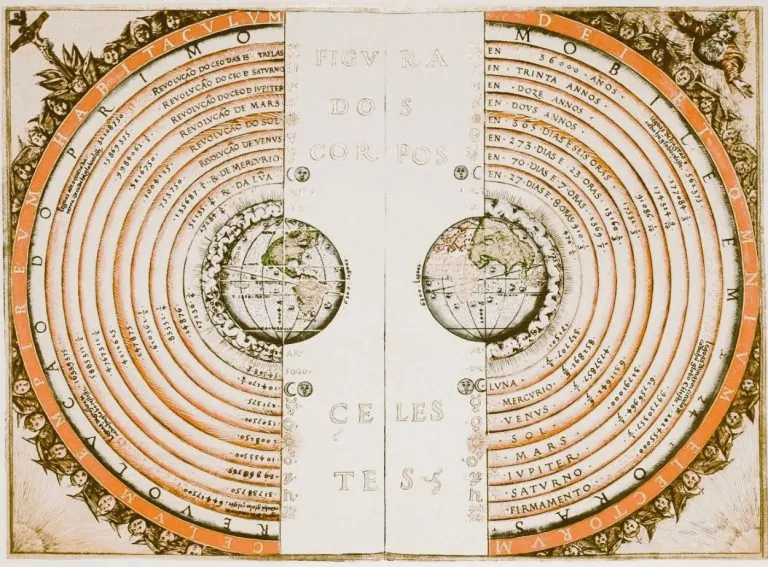
Thales and Anaxagoras to Hipparchus, the Antikythera Mechanism, and Ptolemy, Greek thinkers made eclipses problems of cause,...

The International Center for Consciousness Studies unites conceptual analysis with empirical research as Dmitry Volkov and collaborators...

For centuries, philosophers, scientists and theologians have wrestled with one of humanity’s oldest questions: what exactly makes...

The abacus turned calculation into a visible, tactile practice, helping ancient and modern users organize number beyond...
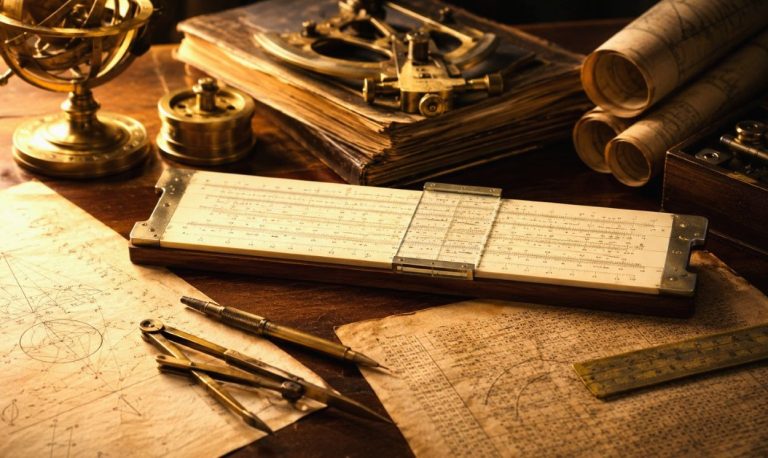
Logarithms and slide rules transformed calculation into fast, physical reasoning, helping engineers and scientists think with speed,...

Ancient civilizations wrestled with the possibility of life beyond Earth, offering diverse cosmologies that reveal a persistent...
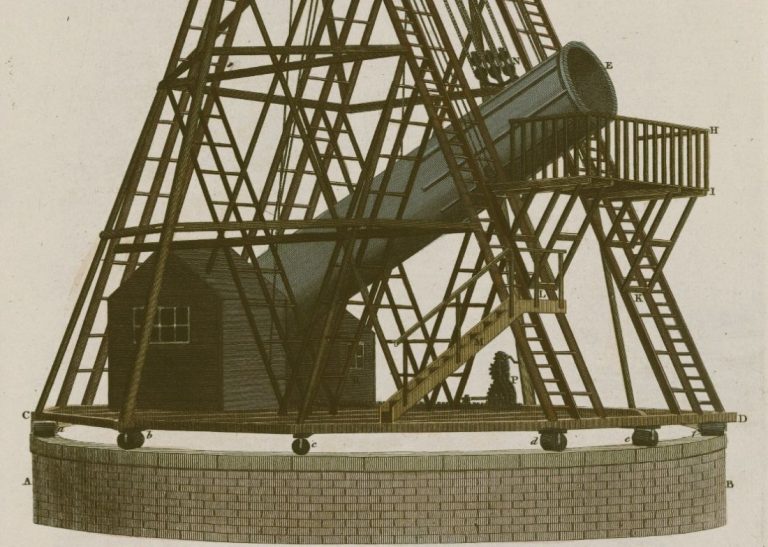
In the nineteenth century, scientists and thinkers widely believed the universe was filled with life, a confidence...

During Rome’s siege of Syracuse, Archimedes’ mathematics became weaponry, revealing how states transform intellectual brilliance into instruments...
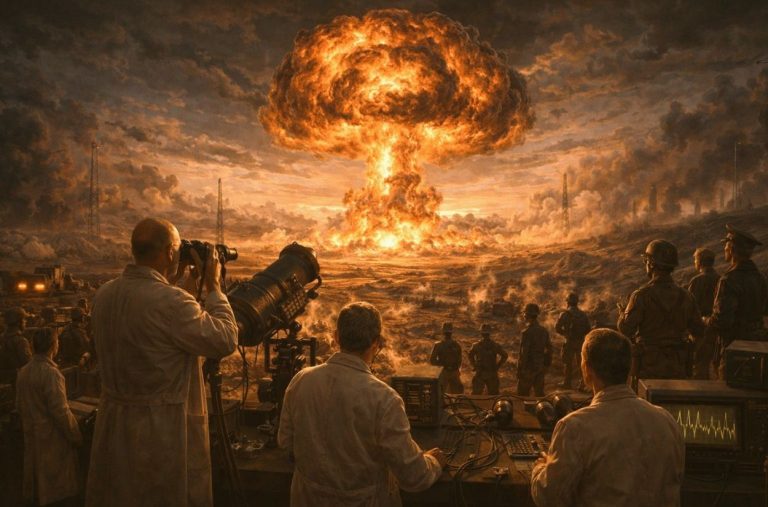
The Manhattan Project transformed American science into a federally controlled enterprise, asserting state authority over nuclear knowledge...

Calretinin (CALB2) is a calcium-binding protein found in particular nerve cells in the brain and nervous system....

What makes Aristotle’s logic especially dangerous is its respectability. When authority borrows the voice of nature, it...

The medieval Christian animalization of Jews and Muslims was a learned way of seeing, cultivated through institutions...
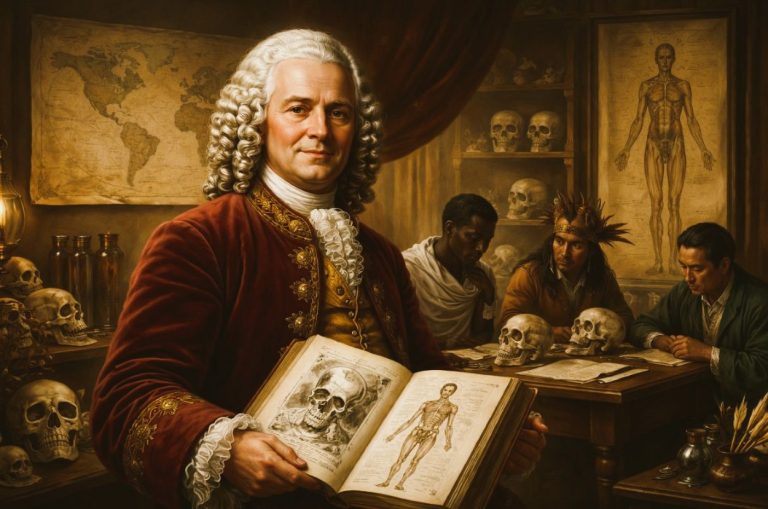
Because of the work of Linnaeus and others, entire populations were positioned as less rational, less capable,...

The life of Albert Einstein demonstrates that intellectual freedom often emerges in opposition to institutions designed to...
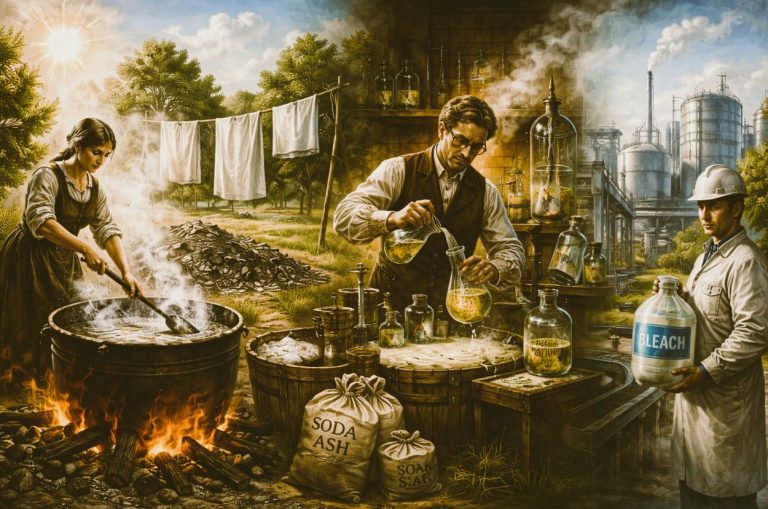
Bleach occupies a liminal space between reassurance and risk, embodying the promises and anxieties of modern chemical...

The world is changing fast, and so are the jobs that shape it. Every year, new technologies...

The persistence of IQ as a marker of personal value reflects a broader cultural desire for simple...

The nineteenth century was an age of paradox for the history of rocketry, a century that stood...

Synthetic cells could outcompete other living organisms − with dire consequences. By Dr. Kate AdamalaAssistant Professor of...
Health and fitness have entered an exciting new era where science and technology are changing the way...

Pseudoscience and conspiracy theories are not fringe anomalies but recurring features of human history, shadows that accompany...

When the argument is performative, when the frame is unfalsifiable, when attention is the prize rather than...
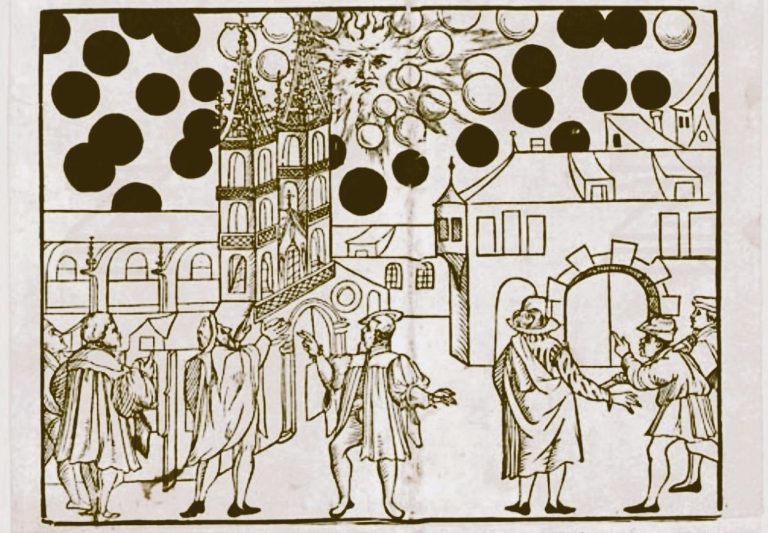
Fiery shields and ships in the sky entered medieval chronicles as signs and wonders, revealing how writers...
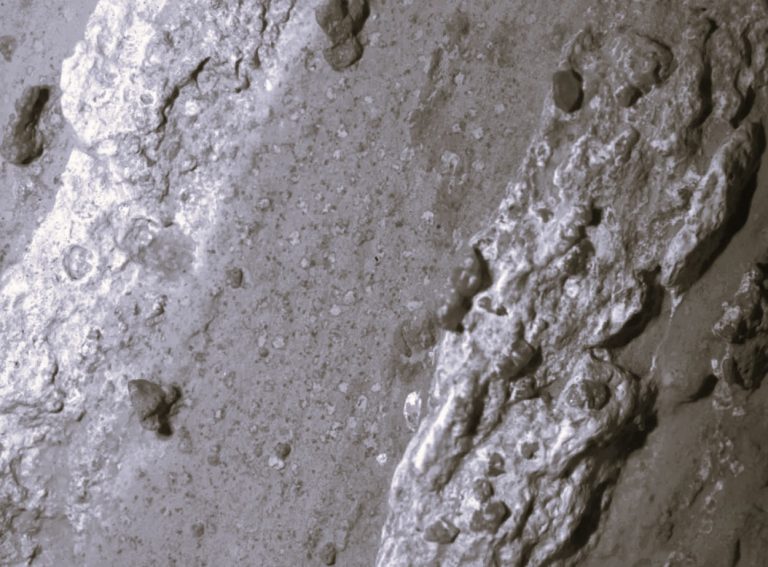
The timeline for a Mars Sample Return mission stretches into the next decade, but this discovery makes...