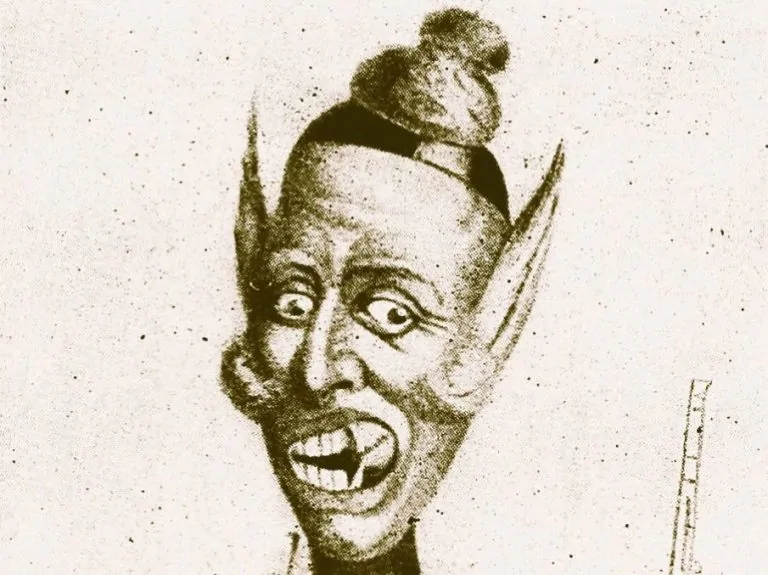

Punishment for cheating and bribery in the Olympics of Ancient Greece could include fines, public flogging and statewide bans from competition.

By Naomi Shavin
Ancient Olympians didn’t have performance-enhancing drugs at their disposal, but according to those who know the era best, if the ancient Greeks could have doped, a number of athletes definitely would have. “We only know of a small number of examples of cheating but it was probably fairly common,” says David Gilman Romano, a professor of Greek archaeology at the University of Arizona. And yet the athletes had competing interests. “Law, oaths, rules, vigilant officials, tradition, the fear of flogging, the religious setting of the games, a personal sense of honor – all these contributed to keep Greek athletic contests clean,” wrote Clarence A. Forbes, a professor of Classics at Ohio State University, in 1952. “And most of the thousands of contests over the centuries were clean.”
That said, ancient Greeks proved to be creative in their competitiveness. Some attempted to jinx athletes to prevent their success. According to Romano, “curse tablets could be found in athletic contexts. For instance, strips of lead were inscribed with the curse, then folded up and placed in the floor at a critical part of the athletic facility.”

Judging from the writings of the second-century A.D. traveler named Pausanias, however, most cheating in the ancient Olympics was related to bribery or foul play. Not coincidentally, the mythological basis of the Olympic games involves both, according to Romano’s writing. The figure thought to have founded the Olympic Games, Pelops, did so as a celebration of his marriage and chariot victory over the wealthy king Oinomaos, spoils he only gained after bribing the king’s charioteer to sabotage the royal’s ride. The first Games are said to have been held in 776 B.C., though archeological evidence suggest they may have begun centuries earlier.
References to legendary instances of cheating have survived the centuries. A scene of a wrestler attempting to gouge the eyes of an opponent and bite him simultaneously, with an official poised to hit the double-offender with a stick or a rod, graces the side of a cup from roughly 490 B.C. In Greece today, pedestals that once held great statues still line pathways that led to ancient stadiums. But these were not statues that heralded athletic feats, rather they served as reminders of athletes and coaches who cheated. According to Patrick Hunt, a professor of archaeology at Stanford University, these monuments were funded by levies placed on athletes or on the city-states themselves by the ancient Olympic Council.
In Pausanias’ account, which is analyzed and translated in Forbes’ article, there were three main methods of dishonesty:
There are several stories of city-states trying to bribe top athletes to lie and claim that city-state as their own (a practice that continues in some form today, as the story of Dominica’s imported ski team from 2014 proves). When one athlete ran for Syracuse instead of his home city-state of Croton, the city of Croton tore down a statue of him and “seized his house for use as a public jail,” writes Forbes.
Then there was direct bribery between athletes or between those close to the athletes to influence the results. In 388 B.C., during the 98th Olympics, a boxer named Eupolus of Thessaly bribed three of his opponents to let him win. All four men were heavily fined, and up went six bronze statues of Zeus, four of which had inscriptions about the scandal and a warning to future athletes.

Finally, there were “fouls and forbidden tricks,” as Forbes refers to them. He references a fragment of a satirical play found, in which a group of performers claim to be comprised of athletes “skilled in wrestling, horse-racing, running, boxing, biting, and testicle-twisting.” Athletes were beaten with rods or flogged for fouling another player, for cheating to get an advantage, like starting early in a footrace, and for attempting to game the system that determined match-ups and byes.
And, it turns out, spectators did some cheating of their own, too. “One woman dressed as a man to see her son perform,” says Patrick Hunt. “She was caught and penalized.” Judges even ran into trouble at times. Forbes makes note of an instance in which officials voted to crown a member of their own city-state, an obvious conflict of interests. The judges were fined, but their decision was upheld. Once again, the modern Olympics haven’t been much different, for those who remember the 2002 Winter Games when a French judge gave Russian skaters high marks, allegedly in exchange for a Russian judge reciprocating for French ice dancers.
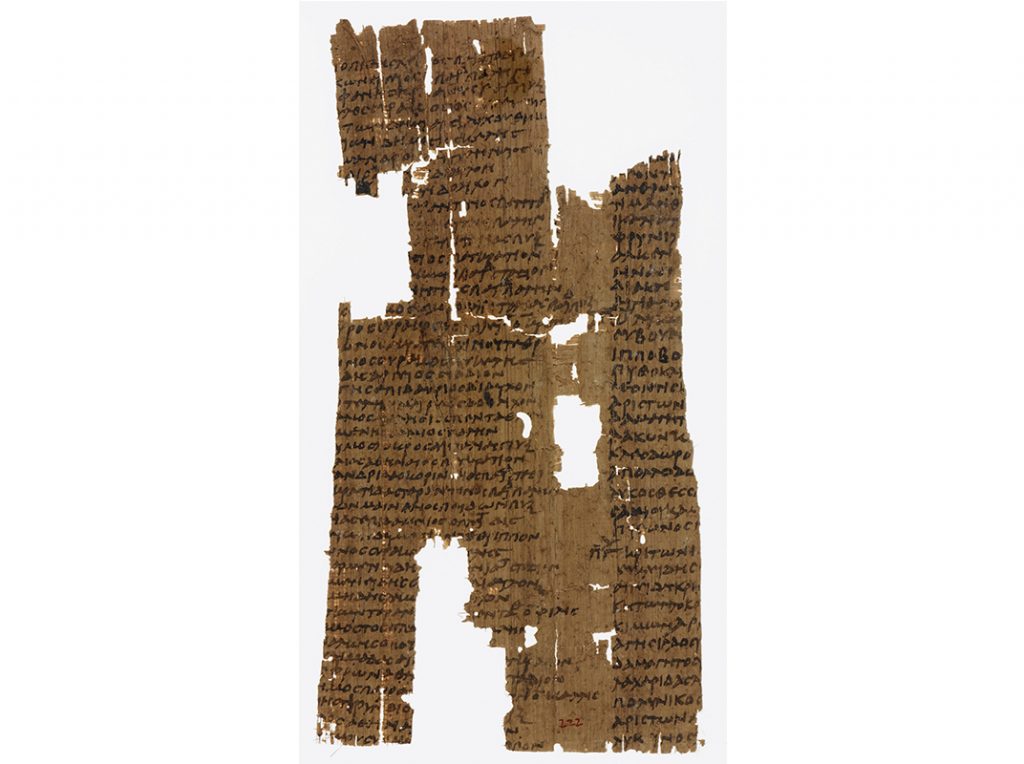
Entire city-states could get into trouble as well. In 420 B.C., according to Pausanias, Sparta was banned from the Olympics for violating a peace treaty, but one of their athletes entered the chariot race pretending to represent Thebes. He won, and in his elation, revealed who his true charioteer was. He was flogged and the victory was ultimately recorded as going to Thebes, with no mention of his name, which could be seen as an additional punishment (some records of Olympic victories have been discovered).
The modern events and global inclusivity of today’s Olympics may suggest how far we’ve come since ancient times, but scandals like the one playing out in Russia this summer remind us of what Patrick Hunt calls human nature: “We want an edge. Russian athletes may be banned from Brazil because of cheating, but people have always been looking for performance enhancing tricks.”
Originally published by Smithsonian Magazine, 08.03.2016, reprinted with permission for educational, non-commercial purposes.
About the Author