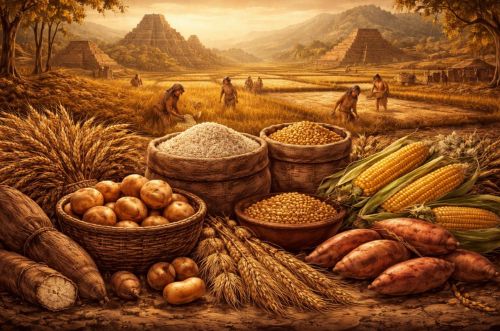
Throughout history, certain crops have done more than feed communities—they have saved human life, prevented famine, strengthened civilizations, and transformed global economies. From ancient grains that built empires to modern staples that prevent starvation, these life-saving crops shaped the survival and growth of humanity.
In this in-depth guide, we explore the most important crops that saved human life, how they prevented mass hunger, and why they remain essential today. Meanwhile, if you want to know Tongits go start playing, visit GameZone today!
Why Certain Crops Saved Humanity
Human survival has always depended on agriculture. When hunting and gathering could no longer sustain growing populations, cultivated crops became the backbone of civilization.
Life-saving crops typically share these qualities:
- High calorie density
- Easy storage and long shelf life
- Adaptability to different climates
- Nutritional value
- High yield per acre
Let’s examine the crops that truly changed the course of human history.
1. Rice: The Grain That Sustained Billions
Rice is one of the most important crops in human history. It has fed more people over time than almost any other food source.
How Rice Saved Lives
- Staple food for over half of the world’s population
- Grows efficiently in flooded fields (paddy farming)
- High calorie yield per acre
- Can be stored for long periods
In countries across Asia, rice prevented widespread famine by providing reliable harvests. During the 20th century, high-yield rice varieties developed during the Green Revolution dramatically increased production and reduced starvation in nations like India and the Philippines.
Without rice, billions of people throughout history would have faced severe food shortages.
2. Wheat: The Foundation of Civilization
Wheat is often called the crop that built civilization.
First domesticated in the Fertile Crescent thousands of years ago, wheat enabled the development of stable settlements and complex societies.
Why Wheat Was Life-Saving
- Easy to grow in temperate climates
- Can be stored as grain for years
- Versatile (bread, porridge, pasta, flour)
- Rich in carbohydrates and protein
Wheat allowed ancient societies in regions like Mesopotamia and Egypt to support large populations. Stored grain reserves also helped civilizations survive droughts and harsh winters.
Today, wheat remains one of the world’s primary food sources, feeding billions daily.
3. Maize (Corn): The Crop That Fed the Americas
Maize, commonly known as corn, originated in Central America and became a foundational crop for Indigenous civilizations.
How Maize Saved Human Life
- Thrives in diverse climates
- High calorie content
- Can be dried and stored
- Used for food, animal feed, and fuel
Civilizations such as the Maya and Aztecs relied heavily on maize. Later, corn spread globally after European exploration, becoming a critical food source in Africa and Asia.
Its adaptability helped reduce hunger in developing regions and remains a key pillar of global food security.
4. Potato: The Underground Savior
Few crops have saved as many lives in such a short time as the Potato.
Native to South America, potatoes were introduced to Europe in the 16th century. Their impact was enormous.
Why Potatoes Were Revolutionary
- Extremely high yield per acre
- Grow in poor soil
- Nutrient-rich (vitamin C, potassium, carbohydrates)
- Resistant to cold climates
By the 18th century, potatoes dramatically increased food production in Europe. Historians credit the potato with supporting population growth and reducing famine in many regions.
Although the Irish Potato Famine in the 19th century revealed the dangers of crop dependence, the potato remains one of the most important life-saving crops worldwide.
5. Cassava: The Famine Fighter
Cassava is a drought-resistant root crop that has protected millions from starvation.
Why Cassava Is Critical
- Thrives in poor soil
- Survives drought conditions
- Can remain in the ground until needed
- High carbohydrate content
In many African nations, cassava acts as a “food security crop.” When other crops fail due to drought or conflict, cassava often survives.
Its reliability has saved countless lives during periods of famine and instability.
6. Soybean: The Protein Powerhouse
Soybean may not always be visible on the dinner plate, but it plays a massive role in global nutrition.
How Soybeans Save Lives
- High in plant protein
- Used in tofu, soy milk, and fermented foods
- Improves soil through nitrogen fixation
- Key livestock feed source
Soybeans support global food systems both directly and indirectly. They provide affordable protein to billions of people and improve agricultural sustainability.
In regions where meat is scarce or expensive, soy products help prevent protein deficiency and malnutrition.
7. Millet: The Ancient Survivor Grain
Millet is one of the oldest cultivated grains in human history.
Why Millet Matters
- Extremely drought-resistant
- Grows in arid and semi-arid climates
- Fast growing
- Nutrient-dense
In regions of Africa and South Asia where rainfall is unpredictable, millet has consistently provided food security.
Today, as climate change increases drought frequency, millet is gaining renewed attention as a climate-resilient crop capable of saving lives in vulnerable areas.
8. Sweet Potato: The Nutritional Lifeline
Sweet potato is another underground crop that has prevented malnutrition worldwide.
Life-Saving Benefits
- High in vitamin A (especially orange varieties)
- Drought tolerant
- Grows in diverse soils
- High calorie yield
Vitamin A deficiency can cause blindness and immune weakness. Biofortified sweet potatoes have helped combat malnutrition in developing countries, especially among children.
The Green Revolution: A Turning Point in Crop Survival
In the mid-20th century, agricultural scientists developed high-yield crop varieties and modern farming techniques in what became known as the Green Revolution.
This movement dramatically increased the production of rice, wheat, and maize across Asia and Latin America.
Impact of the Green Revolution
- Prevented predicted mass famines
- Increased global food production
- Reduced food prices
- Improved rural incomes
While not without controversy, the Green Revolution saved millions—possibly billions—of lives by preventing widespread starvation.
How These Crops Continue to Save Lives Today
Even in modern times, these crops remain critical for survival:
- They stabilize global food supply chains
- Provide affordable calories and nutrients
- Support humanitarian aid efforts
- Adapt to climate change challenges
Organizations worldwide continue investing in crop research, improved seeds, and sustainable farming practices to ensure these life-saving plants remain productive.
Lessons From History: Why Crop Diversity Matters
One important lesson from history is the danger of overreliance on a single crop. When disease strikes a monoculture, the consequences can be catastrophic.
Crop diversity:
- Reduces famine risk
- Strengthens food security
- Supports ecosystem balance
- Improves resilience against climate change
By cultivating a variety of life-saving crops, humanity reduces the risk of future global food crises.
Conclusion: The Crops That Sustained Civilization
From rice paddies in Asia to potato fields in Europe, certain crops have literally saved human life. Rice, wheat, maize, potatoes, cassava, soybeans, millet, and sweet potatoes form the backbone of global food security.
These crops:
- Built civilizations
- Prevented famine
- Reduced malnutrition
- Supported population growth
- Continue to feed billions today
As climate change and population growth present new challenges, the importance of these life-saving crops becomes even clearer. The future of humanity still depends on the resilience, sustainability, and innovation within global agriculture.
Understanding the crops that saved human life helps us appreciate not just our history—but also the fragile systems that continue to sustain us.
About the Author