Done right, aid fosters greater stability and boosts the economy. That reduces incentives to move away.

By Dr. Carmen Monico
Assistant Professor of Human Service Studies
Elon University
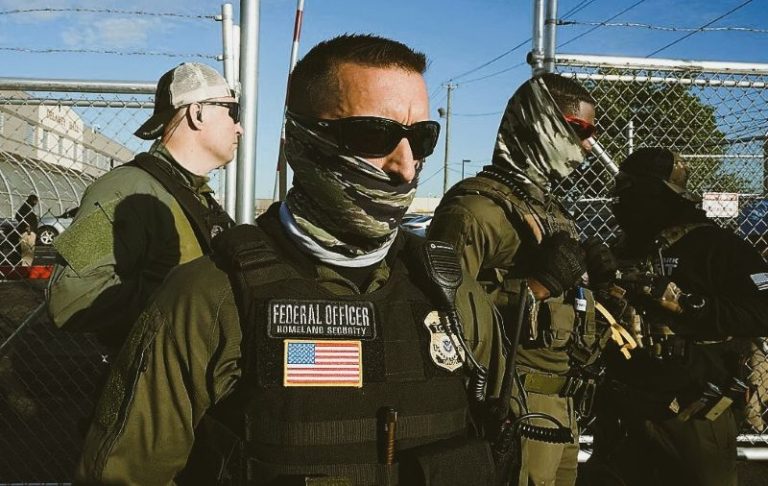
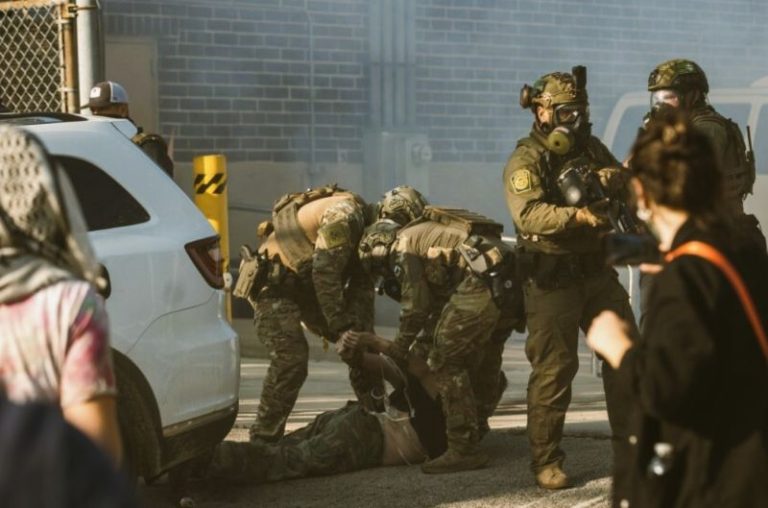
President Donald Trump has long made blocking the thousands of Central Americans who head to the southern U.S. border, most of them seeking asylum, from entering and staying in the country a top priority.
His administration is now stepping up its pressure on the governments of El Salvador, Guatemala and Honduras to take steps to curtail the migration of their own citizens by constricting U.S. aid. About US$370 million in aid money for the three countries included in the 2018 budget will be spent on other projects, the State Department said on June 17.
“It is critical that there be sufficient political will in these countries to address the problem at its source,” State Department spokeswoman Morgan Ortagus said.
I’m a scholar who has researched migration from Central America, especially the arrival of unaccompanied children and teens from Guatemala, Honduras and El Salvador.
Like many experts, I argue that slashing aid is counterproductive because foreign assistance can address the root causes of migration, such as violence and poverty. I also consider this demand that the region’s governments muster more “political will” to be meaningless, as only sustained human and economic development, along with efforts to combat crime, can make a difference.
Aid flows
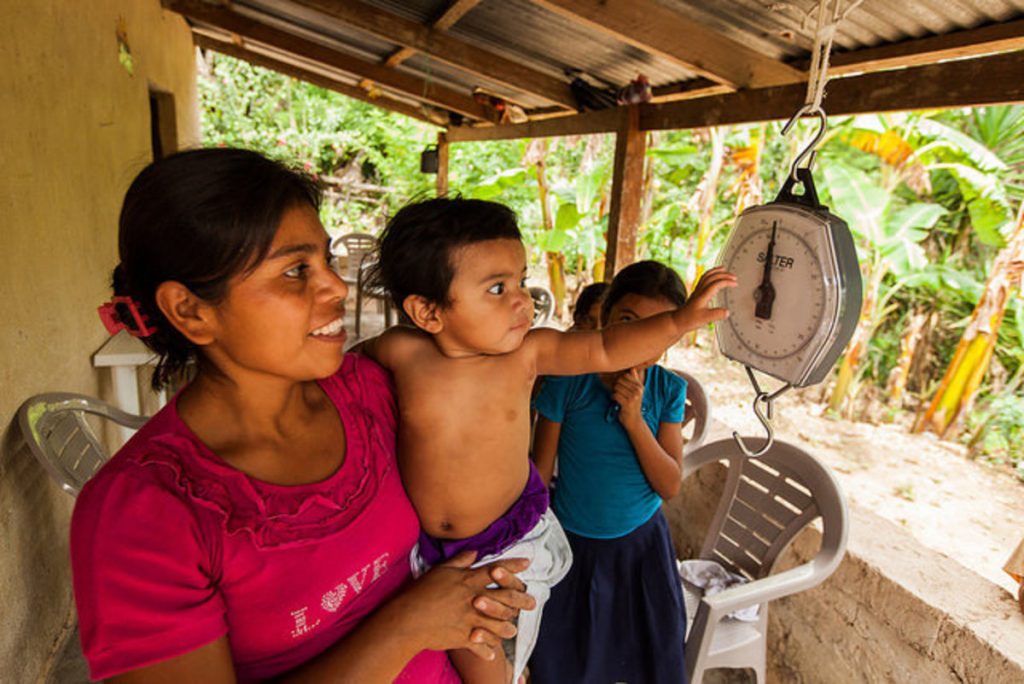
U.S. foreign aid to Central America is supposed to improve economic conditions, bolster agriculture, enhance public safety and security and root out government corruption.
But even though the U.S. has spent nearly $16 billion on foreign assistance for Honduras, El Salvador and Guatemala since 1946 and supported coordinated regional efforts aimed at deterring migration from the region since 2014, hundreds of thousands of Central Americans, especially the children and teens seeking asylum on their own, are still fleeing “push” factors back home like violence and hunger.
So why hasn’t all of this money make more of a difference?
U.S. foreign policy had many objectives in these countries. Along with aid for stability and development, U.S. assistance has emphasized the fight against drug trafficking and police training.
In addition, decades of intense U.S. intervention laid the groundwork for today’s violence and instability across the region.
The Eisenhower administration, for instance, orchestrated the ousting of Guatemala’s democratically elected government in 1954 that ushered in a prolonged civil war. In the early 1980s, the Reagan administration supported the brutal Guatemalan strongman José Efraín Ríos Montt, who was later convicted of committing genocide. President Ronald Reagan also backed El Salvador’s violent government during a civil war that killed 75,000 people and left the country vulnerable to decades of instability. In addition, his administration turned Honduras into a staging ground for the Nicaraguan Contra rebels it financed, militarizing that country and increasing levels of political violence that have never subsided.
Plans vs. reality
In 2015, the Obama administration drafted a plan to boost Central American aid that was intended to discourage migrants from making the trip north. In 2016, the White House detailed multiyear aid levels that would remain much higher than before the surge in asylum-seekers began, as long as the three countries made progress on “border security” and other goals.
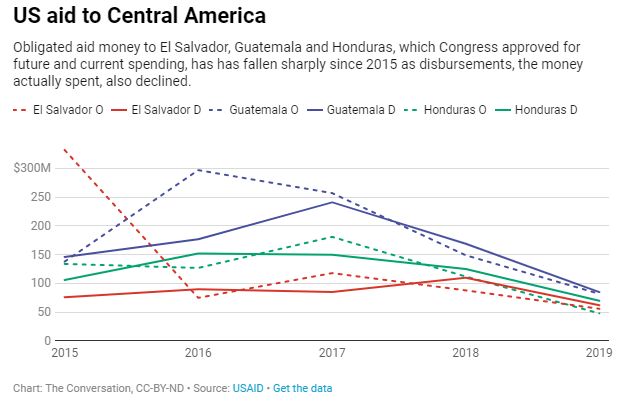
Instead, the total amount of money Congress obligated – or approved for current and future aid spending – in El Salvador, Guatemala and Honduras, has fallen by more than two-thirds, slipping from $604 million in 2015 to $182 million in 2019. A large share of those obligated funds have not been spent. Now, with this announcement, it seems they never will be.
Disbursements, the money actually spent, declined by about one-third from $328 million in 2015 to $217 million in 2019. U.S. nonprofits and consulting firms have spent most of this money through local civil society groups and international agencies.
The State Department is also saying that the U.S. will not authorize any new funding for Central American aid. Because Congress has blocked the Trump administration’s efforts to slash aid before, it’s not clear how successful this new effort will prove.
Questions about effectiveness
Many economists argue over the question of whether foreign aid works. Scholars have not determined that it quells the kind of violence behind Central America’s mass migration.
Some aid experts find that it only makes the countries that get it dependent on the nations that donate it, rather than making a lasting difference for the people it’s supposed to help.
Others hold that the problem is how aid is allocated: often in increments that are too small and sporadic and without a proven strategy.
One problem in terms of proving aid effectiveness is choosing the right metrics. One program might not raise local living standards, stop drug trafficking and reduce the number of people who emigrate, but it might achieve one or more of those goals.
And although some critics suspect that aid money is given as blank checks, that concern overlooks the fact that through the U.S. Agency for International Development and its contractors, the U.S. government does try to improve the effectiveness of its programs, develop pilots and follow up on promising and targeted approaches.
While conducting Fulbright research in Guatemala, I learned about one such evaluation of a USAID crime and violence prevention project underway throughout Central America.
The impact evaluation involved 29,000 survey respondents, 848 interviews and 44 focus groups. It found that murders, extortion, drug sales, gang recruitment and fights had declined and there was greater satisfaction with local leadership. The main reason for this program’s success, I believe after interviewing some of the project’s staff, is how well it engaged members of the local community – empowering them to define its priorities.
The assessment of that project did not look into its impact on migration. But the research I conducted on educational opportunities for at-risk youth in Guatemala strongly suggests that when efforts to stave off violence succeed, opportunities to create small businesses arise and access to a decent education increases, there is much less interest in emigration.
In my past international development work, I have also encountered international assistance efforts that were less effective. Aid that does little more than reflect the donor country’s good intentions doesn’t solve anything. Oversight is necessary, such as ongoing reviews by Congress and civil society groups of Central American aid.
While working as a World Bank consultant reviewing development projects around the world, I came to the conclusion that cutting aid prematurely to any project could undercut efforts that might succeed later.
That is why I believe that it doesn’t make sense to cut aid to Central America to punish governments for failing to stop migration. Restricting aid and re-routing assistance to other programs will do nothing about the underlying problems that are causing hundreds of thousands of people to risk their lives every year. For only when it becomes possible for people to pursue a better life in their home countries and there are no longer compelling reasons to flee for their lives will the pace of Central American migration subside.
Originally published by The Conversation, 06.21.2019, under the terms of a Creative Commons Attribution/No derivatives license.
About the Author