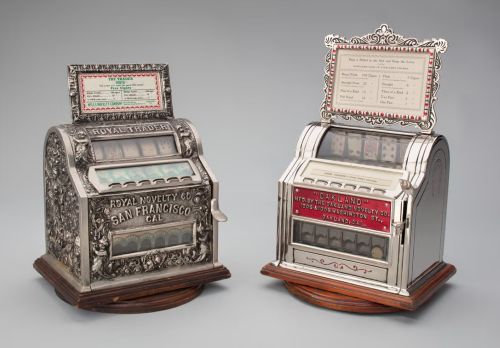
Slot machines are among the most iconic symbols of gambling, captivating generations of players with their flashing lights, spinning reels, and the allure of big wins. From their humble beginnings in the late 19th century to the sophisticated digital platforms of today, slot machines have undergone a remarkable evolution. This journey reflects both technological innovation and changing consumer preferences, transforming a simple mechanical game into a multi-billion-dollar online industry.
The Birth of the Fruit Machine
The story of slots begins in 1891 when the first coin-operated gaming machine was invented. Known as the Liberty Bell, designed by Charles Fey it featured three spinning reels and five symbols: horseshoes, diamonds, spades, hearts, and a bell. Players hoped to line up three bells to win the top prize. The simplicity and immediate gratification of this machine made it an instant hit in bars and saloons.
By the early 20th century, fruit symbols like cherries, lemons, and plums became standard on the reels, giving rise to the term “fruit machine.” These symbols were not arbitrary; they were tied to prizes like gum and candy, allowing operators to circumvent strict gambling laws. The iconic fruit machines became a staple of entertainment venues across Europe and the United States.
Electromechanical Innovations
The 1960s and 1970s marked a significant technological leap. Electromechanical slot machines combined mechanical reels with electrical components, enabling more complex features such as multiple paylines, automatic payouts, and bonus rounds. Popular machines like Bally’s Money Honey, released in 1963, introduced a bottomless hopper that allowed for larger payouts, cementing the slot’s role in casinos.
These innovations did more than increase player engagement; they also allowed casinos to better track payouts and reduce mechanical failures, making slots more reliable and profitable than ever.
The Digital Revolution
The 1980s and 1990s brought the digital era. Slot machines transitioned from electromechanical systems to fully computerised games. Random number generators (RNGs) replaced physical reels, ensuring that outcomes were fair and unpredictable. This period also saw the introduction of video slots, which used screens to display animated reels and sophisticated graphics.
Popular titles like “Reel ‘Em In” and “Mega Joker” demonstrated that video slots could combine entertainment with chance, offering features such as wild symbols, multipliers, and interactive bonus games. Casinos capitalised on this trend, attracting younger players and diversifying their gaming portfolios.
The Rise of Online Casinos
The late 1990s and early 2000s saw the advent of online gambling, transforming slots from a physical pastime into a digital phenomenon. With the rise of internet casinos, players can now enjoy hundreds of slot games from the comfort of their homes. Online platforms like uk online slots casino offered unprecedented convenience, larger jackpots, and innovative themes, from ancient mythology to blockbuster movies.
Advancements in technology allowed developers to integrate immersive sound effects, 3D graphics, and interactive gameplay. Features like progressive jackpots, where a portion of each bet contributes to a shared prize pool, became a hallmark of online slots, creating life-changing opportunities for players.
Mobile Gaming and the Future
Today, slots are increasingly mobile-friendly, allowing players to spin the reels on smartphones and tablets anytime, anywhere. Modern online slots often include gamification elements, social interactions, and real-time tournaments, blending entertainment with community engagement. Virtual reality (VR) and augmented reality (AR) are beginning to make their mark, promising immersive casino experiences that mimic the thrill of real-world gaming without leaving home.
Moreover, blockchain technology and cryptocurrencies are opening new frontiers, offering secure, transparent, and decentralised gaming options that could redefine the industry yet again.
Final Thoughts
From the clunky Liberty Bell to interactive online slots, the evolution of slot machines mirrors the broader trajectory of entertainment technology. Each innovation, from fruit symbols to mobile apps, has expanded the reach and appeal of slots, ensuring their place as one of the most popular forms of gambling worldwide. As technology continues to advance, the future of slots promises ever more immersive, engaging, and rewarding experiences for players everywhere.
About the Author