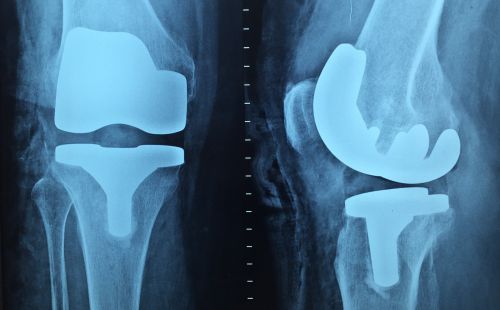
Your knee hurts daily and doctor says replacement is next.
This news can feel scary. But you’re not alone. Thousands of people in the Dallas area get new knees every year. Most feel much better after they heal.
Let’s walk through what you need to know.
Questions to Ask Your Surgeon
Before you schedule surgery, sit down with your doctor. Bring a list. Write down the answers.
Ask these questions:
- How many knee replacements do you do each year?
- What type of implant will you use?
- How long will I be in the hospital?
- When can I walk again?
- What pain medicine will I get?
- What are the risks?
- When can I drive?
- When can I go back to work?
Don’t leave until you understand the answers. A good surgeon wants you to feel informed.
For instance, the team at total knee replacement mesquite texas can answer all these questions and more.
Getting Your Home Ready
You’ll need help when you come home. Plan ahead now.
In your bedroom:
- Move items you use daily to waist height
- Clear paths so you won’t trip
- Get a shower chair or bench
- Install grab bars in the bathroom
In your kitchen:
- Stock up on easy meals
- Put dishes and food where you can reach them
- Consider paper plates for the first week
Around the house:
- Remove throw rugs
- Tape down electrical cords
- Add night lights in hallways
- Set up a recovery spot downstairs if your bedroom is upstairs
You might rent a walker or get a reacher tool. These help a lot.
Getting Your Body Ready
The stronger you are before surgery, the faster you’ll heal.
Two months before:
- Walk every day, even if it hurts a little
- Do leg exercises your physical therapist gives you
- Lose weight if your doctor suggests it
- Stop smoking (this really matters for healing)
Two weeks before:
- Fill all your prescriptions
- Buy ice packs
- Arrange for someone to drive you home and stay with you
- Stock your fridge and freezer
One week before:
- Finish any dental work
- Stop taking certain medicines (your doctor will tell you which ones)
- Wash with special soap if your surgeon requires it
What Surgery Day Looks Like
You’ll arrive at the hospital early. You won’t eat or drink that morning.
The surgery takes one to two hours. You’ll be asleep. You won’t feel anything.
When you wake up, your knee will be bandaged. You’ll have some pain. The nurses will give you medicine.
Most people stay in the hospital one or two nights. You’ll start physical therapy the same day or the next day. Yes, that soon.
The First Two Weeks at Home
This is the hardest part. Be patient with yourself.
Pain control:
- Take medicine on schedule, don’t wait until it hurts badly
- Use ice packs 20 minutes at a time
- Keep your leg elevated when sitting
Movement:
- Use your walker for every step
- Do your exercises three times a day
- Sleep on your back if you can
Watch for problems:
- Fever over 101 degrees
- Increased redness or warmth
- Drainage from your incision
- Chest pain or trouble breathing
Call your doctor right away if you see these signs.
Weeks Three Through Twelve
You’ll get stronger each week.
Week three to six:
- You might switch from walker to cane
- Physical therapy continues two or three times per week
- You can shower (but keep your incision dry until the doctor says otherwise)
- You might go back to work if you have a desk job
Week six to twelve:
- Most people stop using a cane
- You can drive when you’re off pain medicine and your doctor approves
- You can do light housework
- Stairs get easier
Three Months and Beyond
By three months, your new knee feels more natural.
You can:
- Walk without pain
- Climb stairs normally
- Return to most activities
- Sleep comfortably
Full recovery takes six months to a year. But most of your improvement happens in the first three months.
Choosing the Right Team Matters
Not all surgeons have the same experience. Not all hospitals have the same tools.
Look for:
- A surgeon who does many knee replacements each year
- A hospital with good infection rates
- Physical therapists who specialize in joint replacement
- Clear communication from the whole team
You Can Do This
Yes, knee replacement is major surgery. Yes, recovery takes work.
But good preparation and the right surgeon lead to a better outcome.
Thousands of people in the Mesquite and Dallas area have walked this path. They’re gardening again. Playing with grandkids. Walking without wincing.
Your turn is coming.
Take it one step at a time. Ask questions. Follow your therapy plan. Be patient with the process.
Your new knee is waiting. And so is a life with less pain.
About the Author