Ever wonder why it feels like everyone you know either has a therapist, is training to become one, or just applied to grad school? It’s not your imagination. Mental health isn’t just a conversation topic anymore—it’s a career wave. In this blog, we will share how graduate education is reshaping what it means to be a counselor today, and why the classroom is just the beginning.
The Role of Education in a Shifting Mental Health Landscape
Modern counseling careers aren’t what they were even a decade ago. Back then, people pictured soft chairs, not trauma-informed care models, policy reform, or digital sessions squeezed between Zoom calls. But the field has expanded fast. Burnout, isolation, and post-pandemic aftershocks have pushed mental health into public focus, making therapy feel less like a hush-hush activity and more like regular upkeep—somewhere between a dentist appointment and going to the gym.
This shift has made one thing clear: casual interest isn’t enough. Today’s counselors need structure, standards, and specialization. This is where graduate studies step in—not just to hand out degrees, but to shape counselors who are ready for real-world pressure.
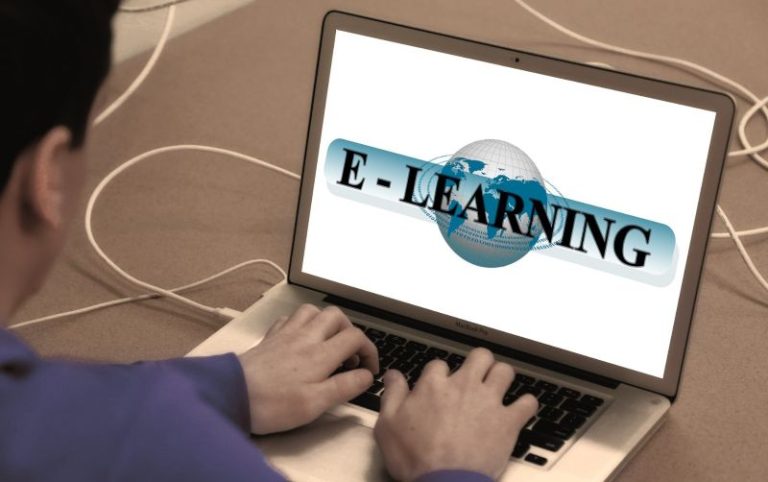
For students looking to get serious, CACREP accredited online programs are often where things begin to solidify. These programs meet strict national standards, which means the training isn’t just “good enough”—it’s aligned with licensure requirements, best practices, and ethical frameworks used across the country. The online format makes the work accessible for people juggling jobs, families, or a very full calendar. And the accreditation piece matters more than most realize: it often determines whether you’re even eligible to sit for licensing exams later.
The flexibility of these programs doesn’t dilute the rigor. Students move through hands-on learning, role-played counseling sessions, and clinical internships that mirror real-life demands. The result? A foundation that doesn’t just pass academic muster, but actually holds up under stress, urgency, and complexity. And those are the exact conditions most counselors step into today.
How the Degree Shapes the Work Itself
The degree you pursue in counseling doesn’t just get you in the door—it shapes what kind of work you can do, where you can do it, and how deep you’re allowed to go. A graduate degree unlocks licensure, which in turn opens access to private practice, hospitals, schools, and community mental health centers. Without that path, your role in the field will be limited, no matter how good your instincts are.
Graduate coursework moves beyond theory and digs into specifics: crisis intervention, multicultural competence, addiction treatment, family systems, and ethical decision-making. But it’s not just academic. Students get exposed to real casework early. They learn to document everything, respond to disclosures, and navigate systems full of red tape, insurance coding, and sliding-scale chaos.
This isn’t the sort of field where you get to improvise. People’s health and safety are in your hands. The weight of that responsibility is something schools are finally building into the curriculum, with more focus on burnout management, practitioner self-care, and the emotional toll of holding space for other people’s pain.
And there’s the tech shift. Telehealth has gone from fringe to default. Many graduate programs now train students on how to conduct sessions remotely, navigate HIPAA-compliant platforms, and build rapport across a screen. The delivery may have changed, but the stakes haven’t. Being able to connect, assess, and intervene—even through a camera—is now considered core skill, not bonus training.
Meeting Demand in an Overstretched System
In 2023, the U.S. Surgeon General warned of a national mental health crisis, especially among youth. Suicide rates climbed. Schools saw more behavioral challenges. Clinics posted month-long waitlists. Meanwhile, social media turned therapy terms into hashtags, and everyone became armchair experts on trauma, boundaries, and attachment theory.
This cultural flood of conversation created more demand than the current workforce could handle. The fix isn’t just hiring—it’s education. To meet that demand, more programs are being built with accessibility in mind. They offer asynchronous classes, part-time options, and clinical placements in rural or underserved areas. They’re also pulling from a wider pool of applicants—career changers, veterans, teachers, and healthcare workers looking to pivot.
Graduate study now looks less like a fixed path and more like a flexible gateway. But the structure still matters. Students must complete hundreds of clinical hours under supervision, build competency across state-aligned categories, and pass rigorous exams to reach licensure. This is not plug-and-play. It’s a grind. But one with purpose.
And the diversity within these new student populations matters too. The field needs representation. When clients see counselors who share their background, culture, or language, outcomes improve. Schools have begun recognizing that inclusivity isn’t a trend—it’s a requirement for ethical, effective care.
Where It All Leads
A counseling degree doesn’t promise a six-figure salary or a stress-free workday. It does promise something different: the ability to create real change in people’s lives. That might look like helping a teenager navigate grief, guiding a couple through rupture and repair, or walking someone back from the edge in a quiet moment when no one else knew how to listen.
Graduate training gives you the permission—and the tools—to be that person. It builds structure around instinct and turns care into something measurable, effective, and lasting. It also helps protect you in the process, teaching you how to set boundaries, refer out when needed, and stay rooted in evidence rather than emotion alone.
This kind of education won’t turn you into a fixer. But it will make you useful in a way most jobs never do. And for a growing number of people looking to do work that actually matters, that’s more than enough.
As the mental health field expands, so does the demand for competent, grounded professionals who know what they’re doing. Graduate counseling programs aren’t just preparing people to enter the field—they’re shaping how the field works. And as the world continues to change, those who step up will need more than good intentions. They’ll need the kind of training that prepares them for the deep, hard, human work of sitting with someone who needs help—and knowing exactly how to respond.
About the Author