Tiny homes have become a popular solution for homeowners looking to reduce costs, simplify their lifestyle, or add additional living space to their property. But one of the biggest questions remains: how much does it actually cost to build a tiny house?
The answer varies widely depending on factors like size, location, materials, and whether the home is built on wheels or a permanent foundation. This guide breaks down realistic 2026 pricing, what drives those costs, and how to plan your project with confidence.
Average Cost to Build a Tiny House in 2026
Tiny house pricing can range significantly, but understanding the averages gives you a strong starting point.
Cost Range Overview
Most tiny homes cost between $30,000 and $150,000+. Basic DIY builds or prefab models fall on the lower end, while custom, high-end homes with premium finishes can exceed $200,000.
Cost Per Square Foot
On average, tiny homes cost $150 to $400 per square foot, which is often higher than traditional homes due to compact design and custom features packed into a smaller space.
Tiny House on Wheels vs Foundation
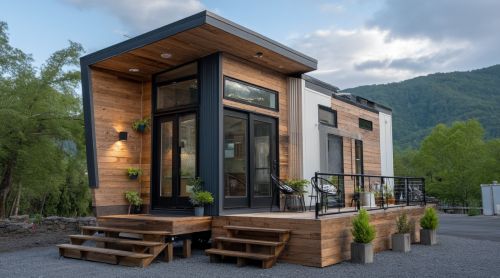
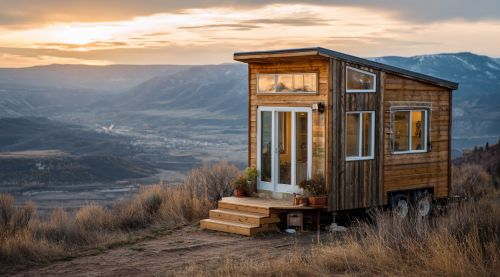
Tiny homes on wheels are typically more affordable upfront because they avoid many permit and foundation costs. However, foundation-based tiny homes—often classified as ADUs—require more investment due to site work, utilities, and compliance, but they offer greater long-term value and flexibility.
Full Cost Breakdown of a Tiny House
To understand where your money goes, it’s important to look at each component of the build.
Land Costs (If Applicable)
If you don’t already own land, this can be one of the largest expenses. Some homeowners place tiny homes on existing property to reduce costs.
Permits and Regulations
Permitting requirements vary by city and state, but they are especially important for foundation-based builds. Fees can range from a few thousand dollars to significantly more depending on local regulations.
Foundation and Site Preparation
For permanent structures, you’ll need site preparation, excavation, and utility connections. These costs can quickly add up but are essential for long-term usability.
Materials and Construction
Framing, roofing, insulation, windows, and exterior finishes all contribute to the overall cost. Material quality plays a major role in durability and energy efficiency.
Interior Finishes and Systems
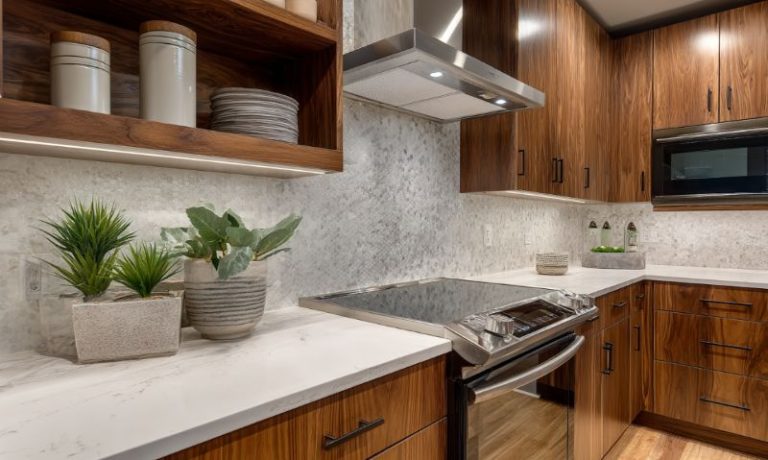
Plumbing, electrical, appliances, cabinetry, and storage solutions often make up a significant portion of the budget. Tiny homes require thoughtful design to maximize every square foot.
Key Factors That Affect Tiny House Costs
Several variables can significantly impact your final price.
Size and Layout Complexity
Even within the “tiny” category, size variations matter. A 100 sq ft unit is vastly different from a 400 sq ft build. Lofts, custom layouts, and multi-functional spaces increase complexity and cost.
Location and Labor Costs
Construction costs vary by region. Areas with higher labor rates or stricter building codes tend to have higher overall project costs.
Customization and Upgrades
High-end finishes, smart home features, and premium appliances can quickly increase your budget. While these upgrades improve comfort and aesthetics, they should be balanced against your financial goals.
Tiny House vs ADU: What’s the Real Difference in Cost?
Many people use “tiny house” and “ADU” interchangeably, but they are not the same.
Legal Classification and Use
Tiny homes on wheels are typically classified as RVs, while ADUs are permanent structures that must meet building codes and zoning requirements.
Long-Term Value and ROI
ADUs generally offer better long-term value because they can be used as rental units, guest houses, or permanent living spaces. They also tend to increase property value.
When an ADU Makes More Sense
For homeowners in California looking to build a permanent, fully compliant tiny home, working with experienced builders like Golden State ADUs can make a significant difference. Their experience with permitting, utilities, and full construction ensures your project is not only built correctly but also designed for long-term usability and value.
DIY vs Hiring a Professional Builder
One of the biggest decisions you’ll make is whether to build the tiny home yourself or hire a professional.
DIY Cost Savings
Building a tiny home yourself can reduce labor costs and give you more control over the project. It’s often the most budget-friendly option upfront.
Hidden Costs and Risks
DIY projects often come with unexpected challenges. Mistakes, delays, and compliance issues can increase costs over time. In some cases, fixing errors can cost more than hiring a professional from the start.
Benefits of Hiring Professionals
Partnering with a professional builder such as Modern Buildings helps ensure your tiny home meets local regulations, is constructed efficiently, and avoids costly setbacks that can arise during self-managed builds.
Additional Costs Most People Overlook
Beyond construction, there are several expenses that are easy to miss.
Utility Hookups
Connecting to water, sewer, and electricity can add thousands of dollars depending on your property setup.
Insurance and Maintenance
Even tiny homes require ongoing maintenance and insurance coverage, especially if used as a rental or long-term residence.
Financing and Loans
Financing options for tiny homes can differ from traditional mortgages. Interest rates and loan structures may impact your total investment.
How to Estimate Your Tiny House Budget
Planning ahead helps prevent surprises and keeps your project on track.
Simple Cost Formula
A basic estimate can be calculated using:
Square Footage × Cost Per Square Foot = Estimated Total Cost
This provides a rough baseline before factoring in additional variables.
Getting Accurate Quotes
Always request detailed quotes from builders. Make sure estimates include materials, labor, permits, and any additional services to avoid unexpected costs later.
Common Mistakes When Budgeting for a Tiny House
Avoiding common pitfalls can save you time, money, and stress.
Underestimating Permits and Regulations
Skipping or miscalculating permit costs can delay your project and lead to fines.
Ignoring Infrastructure Costs
Utilities and site preparation are often overlooked but can significantly impact your budget.
Choosing Cheap Materials
Lower-quality materials may save money initially but can lead to higher maintenance costs over time.
Not Planning for Long-Term Use
Think beyond the initial build. Consider how the space will function years down the line.
Final Thoughts: Is Building a Tiny House Worth It?
Building a tiny house can be a smart financial and lifestyle decision when approached strategically. While costs vary based on many factors, understanding the full picture allows you to plan effectively and avoid common mistakes.
Whether you’re looking to simplify your living situation, add value to your property, or create a flexible housing solution, a well-planned tiny home can deliver long-term benefits. The key is to approach the project with clarity, realistic expectations, and the right support when needed.
About the Author