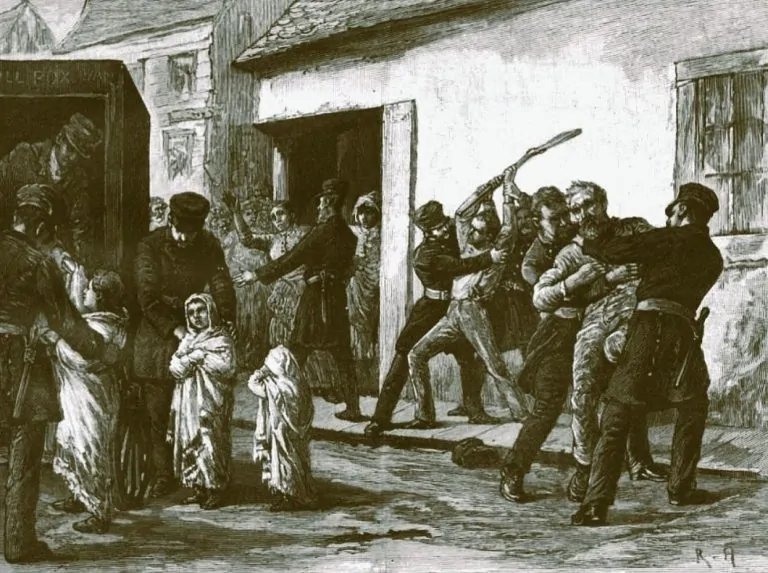
How measles vaccines became victims of their own success and the risk that rising outbreaks pose to everyone.

By Dr. David Higgins
Research Fellow and Instructor in Pediatrics
University of Colorado Anschutz Medical Campus
Introduction
“You don’t count your children until the measles has passed.” Dr. Samuel Katz, one of the pioneers of the first measles vaccine in the late 1950s to early 1960s, regularly heard this tragic statement from parents in countries where the measles vaccine was not yet available, because they were so accustomed to losing their children to measles.
I am a pediatrician and preventive medicine physician, and I have anxiously watched measles cases rise worldwide while vaccination rates have dropped since the early days of the COVID-19 pandemic due to disruptions in vaccine access and the spread of vaccine misinformation.
In 2022 alone, there were over 9 million measles cases and 136,000 deaths worldwide, an 18% and 43% increase from the year before, respectively. The World Health Organization warned that over half the world’s countries are at high risk of measles outbreaks this year.
The U.S. is no exception. The country is on track to have one of the worst measles years since 2019, when Americans experienced the largest measles outbreak in 30 years. As of mid-February 2024, at least 15 states have reported measles cases and multiple ongoing, uncontained outbreaks.
While this measles crisis unfolds, U.S. measles vaccination rates are at the lowest levels in 10 years. Prominent figures like the Florida surgeon general are responding to local outbreaks in ways that run counter to science and public health recommendations. The spread of misinformation and disinformation from anti-vaccine activists online further promotes misguided ideas that measles is not a serious health threat and measles vaccination is not essential.
However, the evidence is clear: Measles is extremely dangerous for everyone, and especially for young children, pregnant people and people with compromised immune systems. But simple and effective tools are available to prevent it.
Measles Is a Serious Illness
Measles is one of the most deadly infectious diseases in human history. Before a vaccine became available in 1963, around 30 million people were infected with measles and 2.6 million people died from the disease every year worldwide. In the U.S., measles was responsible for an estimated 3 million to 4 million infections. Among reported cases, there were 48,000 hospitalizations, 1,000 cases of encephalitis, or brain swelling, and 500 deaths every year.
Measles is also one of the most contagious infectious diseases. According to the Centers for Disease Control and Prevention, up to 9 out of 10 people exposed to an infected person will become infected if they don’t have protection from vaccines. The measles virus can stay in the air and infect others for up to two hours after a contagious person has left the room. Measles can also hide in an unknowing victim for one to two weeks and sometimes up to 21 days before symptoms begin. Infected people can spread measles for up to four days before they develop its characteristic rash, and up to four days after.

The initial symptoms of measles are similar to those of many other common viral illnesses in the U.S.: fever, cough, runny nose and red eyes. Several days after symptoms begin, characteristic tiny white spots develop inside the mouth, and a facial rash spreads to the rest of the body.
While most people’s symptoms improve, 1 in 5 unvaccinated children will be hospitalized, 1 out of every 1,000 will develop brain swelling that can lead to brain damage, and up to 3 of every 1,000 will die. For unvaccinated people who are pregnant, measles infection can lead to miscarriage, stillbirth, premature birth and low birth weight.
The risk of severe complications from measles persists even after a person appears to be fully recovered. In rare cases, people can experience a brain disease called subacute sclerosing panencephalitis that develops seven to 10 years after infection and leads to memory loss, involuntary movements, seizures, blindness and eventually death.
Beyond these individual health effects, the financial cost to society for containing measles outbreaks is significant. For example, a 2019 measles outbreak in Washington state is estimated to have cost US$3.4 million. Necessary efforts to control measles outbreaks pull millions of dollars’ worth of critical resources away from other essential public health functions such as ensuring food safety, preventing injuries and chronic diseases, and responding to disasters.
Vaccines Protect against Measles
Why put communities at risk and allow these societal costs from measles when effective and safe tools are available to protect everyone?
Measles vaccines have been so effective, providing lifelong protection to over 97% of people who receive two vaccine doses, that they are victims of their own success. Initial widespread measles vaccination had reduced measles cases by 99% compared to before the vaccine was available, and consequently, most people in the U.S. are unaware of the seriousness of this disease.

Despite the success of highly effective vaccination programs in the U.S., anyone can still come into contact with measles in their community. Measles is most often brought into the U.S. by unvaccinated American travelers returning home and sometimes from foreign visitors. For people traveling out of the country, the threat of measles exposure is even greater, with widespread outbreaks occurring in many travel destinations.
Public health leaders who embrace and promote vaccination and follow simple, proven infectious disease containment measures can help prevent measles disease spread. Every single preventable illness, complication, hospitalization or death from measles is one too many.
Originally published by The Conversation, 03.01.2024, under the terms of a Creative Commons Attribution/No derivatives license.
About the Author