Have you ever walked into a bathroom and thought it felt more relaxing than your living room? That reaction is not unusual today. Modern bathroom design has quietly become one of the most important parts of home improvement. As remote work, wellness trends, and rising home values reshape how Americans use their homes, bathrooms are turning into functional retreats rather than simple utility spaces.
Today’s designs mix comfort, technology, and smart planning. Homeowners want spaces that are stylish, easy to clean, and built to last. From spa-inspired layouts to clever storage solutions, modern bathroom design reflects how people live now, not how homes looked twenty years ago.
The Rise of the Bathroom as a Personal Retreat
Bathrooms used to be strictly practical. They served a purpose and little else. Today they often function like small wellness centers inside the home, reflecting a broader cultural focus on self-care that gained momentum during the pandemic years.
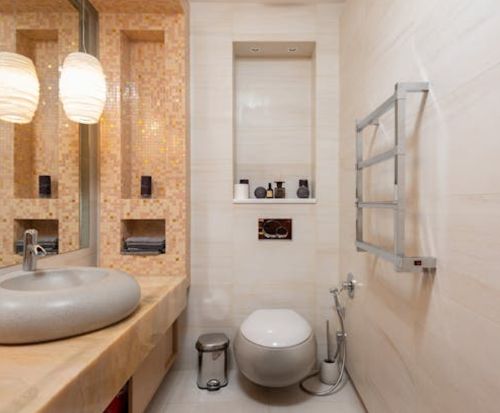
Designers now prioritize calm lighting, natural textures, and open layouts that create a spa-like mood. Warm wood vanities, stone surfaces, and neutral colors help create a space where people can unwind after long workdays. Even small bathrooms can benefit from this idea by using lighter tones and larger mirrors to create a sense of openness without major construction.
Planning a Remodel That Actually Works
Jumping into a bathroom renovation without a clear plan often leads to wasted money and design regret. Smart planning begins with evaluating how the space is used every day. A family bathroom needs durability and storage, while a primary bathroom often focuses on comfort and privacy.
Many homeowners start by consulting experienced bathroom remodelers who understand plumbing limits, ventilation requirements, and layout possibilities. Their input can help avoid common mistakes such as placing fixtures too close together or choosing materials that do not handle moisture well. A thoughtful plan also considers lighting, storage, and accessibility so the space stays functional for years instead of feeling outdated after one trend cycle.
Walk-In Showers Take Center Stage
One of the most noticeable shifts in modern bathrooms is the move away from large built-in tubs toward spacious walk-in showers. While tubs still appeal to some homeowners, many prefer showers that feel open, modern, and easier to use daily.
Frameless glass panels help create the clean, minimalist look that defines many contemporary homes. Large format tiles reduce grout lines, which makes cleaning simpler. Adding built-in shower benches or recessed shelves keeps essentials organized while maintaining a sleek appearance. With the right drainage system, curbless showers can also improve accessibility for aging homeowners who want a safer space without sacrificing style.
Smart Technology Is Entering the Bathroom
If you follow tech news, you already know that smart homes are expanding beyond thermostats and doorbells. Bathrooms are becoming part of that transformation. Heated floors, smart mirrors, and touchless faucets are becoming more common in modern renovations.
Smart mirrors can display weather, news headlines, or reminders while you get ready in the morning. Heated flooring offers comfort during colder months and spreads warmth evenly across tile surfaces. Motion sensor lighting improves convenience at night while reducing energy use. These upgrades may seem small, but together they create a more comfortable and efficient daily routine.
Storage That Keeps the Space Calm
Clutter ruins even the most expensive bathroom design. Modern layouts therefore focus heavily on hidden storage that keeps everyday items accessible without overwhelming the visual space.
Floating vanities with deep drawers have become a favorite because they provide generous storage while keeping the floor visible, which makes the room feel larger. Medicine cabinets with interior shelving maximize wall space, especially in smaller bathrooms. Recessed niches inside showers and near sinks help store toiletries neatly without adding bulky shelves that interrupt the design flow.
Lighting That Balances Function and Mood
Bathroom lighting used to mean one harsh fixture above the mirror. Today designers treat lighting as a layered system that balances task lighting with softer ambient illumination.
Vanity lights placed at eye level reduce shadows when shaving or applying makeup. Overhead lighting provides general brightness, while dimmable fixtures allow homeowners to adjust the mood. Some modern bathrooms even include subtle LED strips beneath vanities or behind mirrors. These additions create a calm glow that feels closer to a boutique hotel than a standard household bathroom.
Materials That Stand Up to Daily Use
Durability has become a major priority as homeowners invest more money in renovations. Materials must handle moisture, cleaning products, and constant use without losing their appearance.
Porcelain tile remains one of the most reliable choices for floors and shower walls because it resists water and stains. Quartz countertops are also gaining popularity since they offer the look of stone without requiring regular sealing. Matte black and brushed nickel fixtures are widely used today because they resist fingerprints better than polished chrome and maintain a modern look for longer.
Sustainability Is Shaping Design Choices
Environmental awareness is influencing home design across the country, and bathrooms are no exception. With water conservation becoming a growing concern in many regions, efficient fixtures are now a major design feature rather than an afterthought.
Low-flow toilets and showerheads can significantly reduce water use without sacrificing performance. LED lighting consumes far less electricity while lasting much longer than traditional bulbs. Some homeowners are also installing water-saving faucets with aerators that maintain strong pressure while using less water. These choices help lower utility bills while aligning with broader efforts to conserve resources.
Designing a Bathroom That Fits Real Life
A well-designed bathroom does more than look good in photos. It supports daily routines, adapts to changing needs, and adds lasting value to the home. The best modern designs combine comfort, durability, and thoughtful planning rather than chasing trends that fade quickly. Whether someone chooses a spa-inspired retreat, a tech-friendly upgrade, or a simple refresh with better storage, the goal remains the same. The modern bathroom should feel calm, efficient, and welcoming. After all, it is often the first room people use in the morning and the last one they visit at night, which makes it one of the most important spaces in any home.
About the Author