
In 2002, the Netherlands formalized assisted dying, transforming end-of-life care into a regulated practice and redefining autonomy within modern medical ethics.

By Matthew A. McIntosh
Public Historian
Brewminate
Introduction: Assisted Dying in a Secular Constitutional State
The legalization of assisted dying in the Netherlands did not erupt suddenly from moral rupture. It evolved over time within a constitutional democracy committed to legal transparency, professional regulation, and pluralist accommodation. By the time the Termination of Life on Request and Assisted Suicide (Review Procedures) Act entered into force in 2002, Dutch courts had already spent decades refining the conditions under which physicians might avoid criminal liability for assisting death. Beginning in the 1970s, prosecutors and judges confronted cases that tested the boundaries of existing homicide statutes, gradually articulating criteria under which a defense of necessity might apply. Parliamentary debates followed rather than preceded this jurisprudence, translating judicial practice into statutory form. The transition from prohibition to regulated tolerance unfolded through incremental legal development rather than revolutionary decree. Assisted dying became a matter of statutory structure, public reporting, and administrative review, not clandestine practice.
This development must be understood within the broader framework of Dutch constitutional culture. The Netherlands is characterized by a long tradition of pillarization, in which religious and ideological communities coexist within shared political institutions. Legal pluralism has often been managed through negotiation rather than coercive uniformity. In this setting, deeply contested moral questions have tended to be addressed through incremental compromise. The assisted dying debate followed this pattern. Religious opposition remained vocal and principled, yet policy evolved through parliamentary deliberation and judicial interpretation rather than sectarian dominance.
Central to the Dutch approach was the insistence that autonomy operate within institutional safeguards. Assisted dying was never framed as an unrestricted personal right. Instead, the statute emphasized due care criteria: a voluntary and well-considered request, unbearable suffering with no prospect of improvement, consultation with an independent physician, and mandatory reporting to regional review committees. These requirements sought to balance individual agency with collective oversight. The state did not abdicate authority; it structured it. Regulation functioned as reassurance against fears of arbitrariness, coercion, or hidden expansion beyond defined limits.
The Dutch legalization of assisted dying represents a model of secular democratic negotiation rather than moral collapse. The law neither erased religious conviction nor imposed theological doctrine as binding civil rule. Instead, it constructed a framework in which moral disagreement persists openly within a shared legal order. Conscience protections allow physicians to decline participation, while statutory criteria govern those who choose to assist under defined circumstances. By tracing the judicial evolution that preceded codification and examining the procedural architecture embedded in the 2002 Act, the Dutch case illuminates how a modern constitutional state can institutionalize accommodation without dissolving ethical tension. Assisted dying in the Netherlands stands not as evidence of moral erosion but as an example of structured coexistence within pluralist democracy.
The Postma Case and Judicial Foundations (1970s)
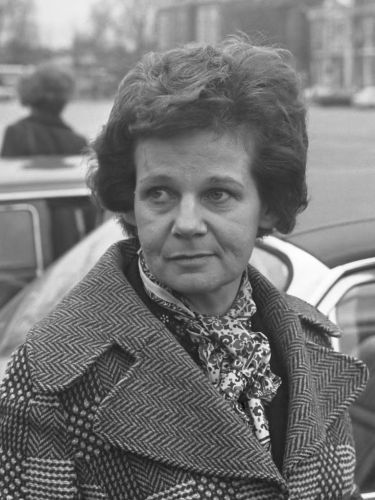
The modern legal trajectory of assisted dying in the Netherlands is commonly traced to the 1973 Postma case. In that case, a physician, Geertruida Postma, assisted in the death of her mother, who was persistently requesting relief from severe suffering following a debilitating stroke. The circumstances were neither abstract nor hypothetical; they involved repeated appeals from a patient whose condition was deemed hopeless and whose distress was documented. Prosecutors brought charges under existing criminal prohibitions against taking life, specifically the provisions governing homicide. Yet the court’s handling of the case signaled a subtle but consequential shift. Although Postma was formally convicted, the sentence imposed was minimal, and the judgment articulated circumstances under which a physician’s actions might be understood as compelled by necessity. The decision did not legalize euthanasia, nor did it declare assisted dying lawful. Instead, it acknowledged the moral complexity of the situation and introduced legal reasoning that departed from rigid application of the statute.
Central to the court’s reasoning was the concept of force majeure, or necessity. Dutch criminal law permitted exculpation in cases where a defendant faced a conflict of duties. The Postma judgment suggested that a physician might experience such a conflict between the duty to preserve life and the duty to relieve unbearable suffering. While the statutory prohibition remained intact, the articulation of necessity as a potential defense introduced flexibility into its application. The court outlined provisional criteria, including a voluntary and persistent request by the patient and the presence of intolerable suffering. These elements would later crystallize into more formalized standards.
The significance of Postma lies less in the immediate outcome than in the jurisprudential pathway it created. Prosecutorial guidelines gradually reflected the court’s reasoning, signaling that not all cases of assisted dying would be pursued with equal severity. The decision encouraged physicians and legal authorities to consider whether rigid enforcement of homicide statutes adequately accounted for medical realities. Subsequent cases in the late 1970s and 1980s built upon this foundation, refining the contours of acceptable medical conduct and expanding discussion of procedural safeguards. Judges increasingly examined the quality of consent, the prognosis of illness, the availability of alternative treatments, and the requirement of independent consultation. Through case law rather than legislative initiative, the judiciary began to construct a regulated tolerance grounded in conditional justification rather than outright decriminalization. What began as a narrow acknowledgment of exceptional circumstances gradually evolved into a more systematic framework for evaluating physician-assisted death.
The Postma decision represents the beginning of a distinctly Dutch method of legal development. Rather than repealing homicide statutes or enacting immediate reform, the courts interpreted existing law in light of evolving medical and ethical realities. This incremental approach allowed public debate to proceed alongside judicial clarification. Religious critics remained opposed, yet the judiciary’s careful reasoning framed assisted dying as a matter of regulated exception rather than moral revolution. The groundwork for eventual codification was laid through measured judicial articulation in the 1970s.
Developing Criteria: Unbearable Suffering and Voluntary Request (1980s–1990s)

In the decades following the Postma decision, Dutch courts moved from tentative acknowledgment of necessity toward the articulation of clearer substantive criteria. Assisted dying remained formally prohibited under the criminal code, yet judicial opinions increasingly specified conditions under which prosecution would not result in severe punishment. Rather than overturning statutory language, courts interpreted the defense of necessity in light of medical realities and evolving professional standards. Through this process, a pattern emerged: certain factual configurations, when carefully documented, would mitigate or eliminate criminal liability. The core elements that crystallized during the 1980s centered on voluntary and well-considered request, unbearable suffering, and independent medical consultation. These requirements were not introduced by legislative enactment but developed incrementally through case law and prosecutorial practice. They acquired normative force, guiding physicians who sought to act within the boundaries of judicial tolerance and signaling that legal evaluation would turn on procedural rigor as much as moral intent.
The requirement of a voluntary and well-considered request became foundational. Courts examined whether the patient’s wish to die was persistent, informed, and free from external pressure. Episodic despair or impulsive statements were deemed insufficient. Judges looked for documentation demonstrating repeated expression of intent and confirmation that the patient understood his or her medical condition. This scrutiny signaled that autonomy in the Dutch context was procedural rather than purely declarative. The patient’s agency had to be demonstrated through careful assessment rather than assumed. By emphasizing deliberation, the judiciary sought to distinguish legitimate requests from transient crisis.
Equally important was the concept of unbearable suffering with no prospect of improvement. Dutch courts did not limit suffering strictly to physical pain, though physical deterioration often formed the evidentiary basis of early cases. The evaluation required medical judgment regarding prognosis and the absence of reasonable therapeutic alternatives. Physicians were expected to consult with independent colleagues to confirm both diagnosis and the patient’s condition. The insistence on consultation served as a structural safeguard, ensuring that decisions were not made in isolation. The judiciary clarified that suffering could encompass a range of experiences, yet it had to meet a threshold of seriousness consistent with professional standards.
The gradual elaboration of criteria was reinforced by prosecutorial guidelines issued during the late 1980s and early 1990s. These guidelines formalized expectations that physicians report cases of assisted death and provide documentation demonstrating compliance with judicially recognized conditions. Reporting requirements created a mechanism of transparency, allowing authorities to review individual cases while refraining from automatic prosecution. The interplay between courts and prosecutors institutionalized oversight without immediate legislative reform. Legal tolerance became formalized rather than discretionary.
By the 1990s, additional cases further refined the boundaries of permissible practice and tested the resilience of the emerging framework. Decisions such as the 1994 Chabot ruling addressed situations involving psychiatric suffering rather than terminal somatic illness, compelling the judiciary to clarify whether unbearable suffering required imminent death. The Supreme Court affirmed that the defense of necessity could, in principle, extend beyond strictly terminal cases, provided that voluntariness, gravity of the patient’s condition, and independent consultation were rigorously established. These rulings did not remove controversy; instead, they intensified public debate and prompted closer scrutiny of procedural safeguards. Yet they also demonstrated that Dutch jurisprudence was capable of absorbing complex factual scenarios without abandoning its structured criteria. The cumulative effect of these developments was the transformation of necessity from ad hoc defense into quasi-regulatory framework. Before Parliament codified the law in 2002, Dutch courts had already constructed a detailed architecture governing voluntary request, unbearable suffering, and professional oversight, effectively shaping practice through judicial elaboration.
Democratic Debate and Religious Opposition

The gradual judicial accommodation of assisted dying did not occur in a vacuum. It unfolded within a vibrant democratic culture in which religious parties, secular reformers, physicians, and legal scholars contested the moral direction of public policy. As appellate decisions accumulated and prosecutorial guidelines became more structured, members of Parliament were pressed to determine whether the evolving practice should remain grounded in case law or be codified through statute. The debate was not merely technical. It engaged foundational questions about the identity of the Dutch state: Was it a confessional society bound to theological anthropology, or a secular constitutional order designed to manage moral diversity? Political parties divided along ideological lines, though not always predictably. Christian Democratic representatives voiced principled resistance grounded in sanctity-of-life reasoning, while liberal and social democratic factions emphasized compassion and procedural oversight. The question was not simply whether assisted dying was morally permissible, but whether a democratic state could legitimately formalize a practice that many citizens regarded as ethically impermissible. The deliberations reflected a polity grappling with its pluralist commitments.
Religious opposition remained consistent and principled. Catholic and orthodox Protestant communities grounded their objections in sanctity-of-life doctrine and the conviction that intentional killing, even at a patient’s request, violated divine sovereignty. They warned that codification would erode moral boundaries and weaken societal commitment to protecting vulnerable persons. For many religious critics, the issue was not procedural safeguards but categorical prohibition. Legal accommodation, however carefully structured, appeared to legitimize what they understood as a moral transgression. Their resistance shaped parliamentary discourse, ensuring that proposals for reform were subjected to sustained ethical scrutiny.
The Dutch tradition of pillarization influenced the tone and structure of debate. Historically, Dutch society had been organized into parallel religious and ideological “pillars,” each maintaining its own institutions while participating in shared governance. This arrangement fostered a political culture in which compromise and negotiated coexistence were normative. Religious parties did not seek to impose theological doctrine by force of law, yet they articulated their objections vigorously within parliamentary channels. Secular and progressive legislators responded by invoking constitutional neutrality and the principle that civil law must accommodate citizens of divergent convictions. The clash was sharp but procedural. Committee hearings, expert testimony, and public consultations demonstrated that moral disagreement could be processed institutionally rather than suppressed. The debate over assisted dying became an expression of Dutch negotiated coexistence: not unanimity, but managed coexistence within constitutional law.
Public opinion evolved during this period, influenced by high-profile cases and growing familiarity with medical realities at the end of life. Surveys suggested increasing support for regulated assisted dying, though opposition remained substantial. Advocacy organizations mobilized both in favor of codification and against it, framing the issue in terms of compassion, human dignity, or moral peril. Media coverage amplified these narratives, transforming judicial developments into national conversation. The democratic process absorbed and reflected moral pluralism rather than resolving it prematurely.
Debates over legalization were intertwined with concerns about professional responsibility and state oversight. Legislators examined whether judicially developed criteria were sufficiently precise and whether reporting mechanisms ensured accountability. Critics feared normalization and incremental expansion, often invoking slippery slope scenarios. Supporters countered that formal codification would strengthen transparency by replacing informal tolerance with explicit statutory standards. Parliamentary negotiation centered on the architecture of safeguards: independent consultation, mandatory reporting, review committees, and prosecutorial review. These institutional details became the terrain on which moral disagreement was translated into regulatory design. Rather than bypassing ethical conflict, the legislative process sought to discipline it through procedural clarity and oversight mechanisms that could command broader confidence across ideological divides.
The eventual movement toward statutory reform cannot be characterized as unilateral triumph of secularism over religion. Religious dissent persisted, and conscience protections for physicians were incorporated into the legal framework. Democratic negotiation did not eliminate moral opposition; it institutionalized coexistence. The debate revealed that pluralism does not require unanimity, but it does require structures capable of accommodating disagreement. In confronting assisted dying, the Netherlands exemplified a constitutional culture in which deeply contested moral questions were addressed through deliberation, compromise, and procedural rigor rather than moral absolutism or abrupt rupture.
Codification: The 2002 Termination of Life on Request and Assisted Suicide Act
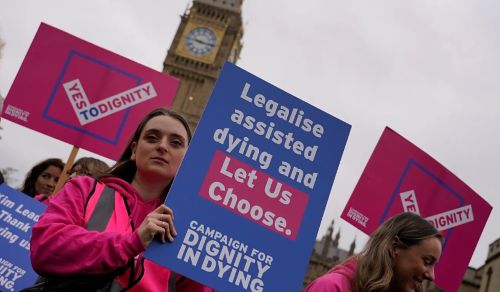
The enactment of the Termination of Life on Request and Assisted Suicide (Review Procedures) Act in 2002 marked the formal codification of practices that Dutch courts had gradually recognized over the preceding decades. Rather than introducing an entirely new moral principle, the statute consolidated judicially developed criteria into clear legislative language. Parliament translated the defense-of-necessity framework into a statutory structure specifying due care requirements under which physicians would not be prosecuted. The Act did not remove assisted dying from the criminal code altogether; instead, it carved out a conditional exemption when strict procedural and substantive standards were satisfied. In doing so, the legislature converted case-based tolerance into a regulated system subject to formal review.
The statute enumerated due care criteria that mirrored earlier jurisprudence while adding formal clarity and procedural precision. Physicians were required to be satisfied that the patient’s request was voluntary and well-considered, meaning that it was expressed repeatedly, free from coercion, and grounded in a clear understanding of medical circumstances. The suffering had to be unbearable and without prospect of improvement, a standard requiring professional assessment rather than mere subjective assertion. The patient had to be fully informed about diagnosis, prognosis, and available alternatives, including palliative care options. An independent physician was required to examine the patient and provide a written opinion confirming that the statutory conditions were met. The attending physician was further obligated to perform the procedure with due medical care and attention, consistent with professional norms. By codifying these requirements, the Act sought to ensure that assisted dying remained exceptional, carefully documented, and embedded within accountable medical practice rather than private arrangement.
A distinctive feature of the 2002 Act was the establishment of regional review committees. After performing euthanasia or providing assisted suicide, physicians were required to report the case to a municipal medical examiner, who forwarded documentation to a review committee composed of a legal expert, a physician, and an ethicist. These committees evaluated whether the statutory criteria had been satisfied. If compliance was confirmed, no further action followed; if doubts arose, the case could be referred to the Public Prosecution Service. This reporting mechanism institutionalized transparency and created a systematic record of practice. Oversight was embedded in the design of the law rather than appended as afterthought.
Codification represented not moral deregulation but procedural formalization. Parliament acknowledged persistent religious and ethical opposition while affirming that regulated assistance in dying could be accommodated within a secular constitutional framework. The Act preserved criminal liability outside its defined conditions and maintained conscience protections for physicians unwilling to participate. By converting judicial evolution into statutory architecture, the Netherlands demonstrated how legislative clarity can coexist with enduring moral disagreement. The 2002 law stands as the culmination of a decades-long process in which courts, medical professionals, and lawmakers collectively shaped a structured model of assisted dying grounded in consent, suffering, and institutional review.
Safeguards, Slippery Slope Fears, and Empirical Oversight
From the outset, critics of legalization warned that formal recognition of assisted dying would initiate a gradual erosion of moral and legal boundaries. Slippery slope arguments featured prominently in parliamentary debate and public commentary, predicting expansion from terminal illness to broader categories of suffering and from voluntary to involuntary cases. Supporters of codification responded that transparent regulation, rather than informal tolerance, was the best defense against such drift. The 2002 Act was designed not only to authorize a limited practice but to embed institutional safeguards capable of monitoring its scope. Institutional review became central to the legitimacy of the law.
One of the most significant safeguards was the mandatory reporting system. Physicians who performed euthanasia or assisted suicide were required to submit detailed documentation to regional review committees, including medical history, evidence of voluntariness, consultation reports, and justification of due care criteria. These committees assessed compliance with statutory requirements and issued written determinations explaining whether the physician had acted within the law. Their findings were not symbolic; cases deemed deficient could be referred to prosecutors for further evaluation. Annual public reports summarized case numbers, diagnostic categories, patient demographics, and patterns of consultation. By institutionalizing disclosure and publishing aggregate data, the Netherlands replaced speculation with documented practice. Disclosure became not only a procedural requirement but a political reassurance mechanism designed to sustain public trust.
Empirical data generated through reporting became a focal point in ongoing debate. Scholars analyzed trends in case numbers, the proportion of cases involving terminal cancer versus other conditions, and the frequency of psychiatric or non-somatic suffering. Supporters pointed to relative stability in reported percentages and high compliance findings by review committees as evidence that safeguards were functioning effectively. Critics, however, scrutinized shifts in diagnostic categories and argued that conceptual interpretations of unbearable suffering might broaden in subtle ways. The availability of detailed annual reports enabled this contestation to proceed with reference to documented evidence rather than anecdote. Statistical interpretation became a site of normative disagreement. The empirical record did not resolve ethical conflict, but it grounded argument in measurable outcomes rather than abstract fear.
Judicial review also remained available as a structural safeguard. Cases deemed non-compliant by review committees could be referred to the Public Prosecution Service, preserving the possibility of criminal accountability. Although prosecutions were rare, the existence of potential enforcement underscored that assisted dying remained conditionally permitted rather than unregulated. The continuing applicability of homicide statutes outside statutory criteria reinforced the boundary between lawful and unlawful acts. Legal accountability persisted alongside professional discretion.
International observers frequently invoked the Dutch model in comparative debates, either as evidence of responsible regulation or as cautionary example. The Netherlands’ reliance on documentation and review committees became a benchmark against which other jurisdictions measured their own proposals. Empirical oversight provided material for transnational analysis, inviting examination of whether reported cases reflected principled consistency or normative shift. The Dutch experience demonstrated that legalization did not end controversy; instead, it relocated argument to institutional evaluation of practice.
The persistence of slippery slope concerns underscores the complexity of regulating morally contested conduct. Supporters of the Dutch framework contend that safeguards have constrained expansion by anchoring practice to documented criteria and independent review. They argue that regular reporting, multidisciplinary evaluation, and the possibility of prosecutorial referral create a feedback loop that discourages deviation from statutory limits. Critics maintain that interpretive elasticity within concepts such as unbearable suffering may gradually widen application, even absent overt legislative change. The debate centers on how flexible legal standards interact with professional judgment as time passed. What is distinctive about the Dutch approach is that these disputes occur within a system explicitly designed to generate data, enable review, and permit public accountability. Safeguards and oversight do not silence ethical disagreement, but they channel it into ongoing institutional assessment rather than unchecked expansion or hidden practice.
Conscience Protections and Moral Coexistence
Legal accommodation of assisted dying in the Netherlands did not entail compulsory participation by medical professionals. From the period of judicial tolerance through the enactment of the 2002 Act, the framework preserved space for physicians who objected on moral or religious grounds. The statute does not impose a duty to perform euthanasia or assisted suicide, nor does it create a positive obligation to facilitate the act beyond the general duties of medical care. Instead, it establishes conditions under which physicians may act without criminal liability if they voluntarily choose to do so. This distinction is foundational to the Dutch model. Assisted dying is legally regulated, but it is not mandated, and refusal does not trigger disciplinary sanction under criminal law. By structuring the law in permissive rather than compulsory terms, Parliament sought to avoid transforming a deeply contested moral practice into a professional requirement. Conscience remains legally protected even as autonomy is institutionally recognized.
Physicians who decline participation may refuse requests without legal penalty. Professional guidelines developed by Dutch medical associations emphasize the importance of open communication, encouraging doctors who object to inform patients of their position in a timely manner. While some practitioners may refer patients to colleagues willing to consider the request, referral is not framed as coercive obligation under criminal law. The regulatory system balances two forms of moral agency: the patient’s right to request and the physician’s right to decline. This dual recognition reflects a pluralist understanding of professional ethics within a secular state.
The broader constitutional context reinforces this coexistence. The Netherlands protects freedom of religion and conscience within its constitutional order, and these protections continue to apply in the medical domain. Legalization of assisted dying did not suspend or subordinate these guarantees; rather, it incorporated them into the design of the regulatory framework. Religious hospitals and faith-based healthcare institutions have navigated this terrain according to their internal policies, often declining to provide assisted dying while participating in a national healthcare system that permits it under defined conditions. The result is not uniformity of moral practice but differentiated participation within shared legal parameters. This arrangement reflects a constitutional culture in which state neutrality does not require moral homogeneity. Instead, public law establishes the outer boundaries of permissible conduct while allowing institutional diversity to persist within them.
Critics of legalization have argued that normalization may generate subtle pressures on objecting physicians or institutions. Concerns have been raised about professional expectations, patient access, and evolving standards of care. Supporters respond that statutory criteria and explicit recognition of voluntary participation mitigate coercive dynamics. The persistence of open public debate on these questions suggests that moral coexistence remains an active process rather than settled consensus. Conscience protections function not as static guarantees but as part of ongoing negotiation within medical and legal communities.
The Dutch framework illustrates a distinctive form of secular governance: moral disagreement is neither eradicated nor privatized into invisibility. Instead, it is managed through legal structures that permit divergent convictions to operate within defined limits. Assisted dying is available under statutory safeguards, yet refusal remains protected. Religious belief coexists with civil choice not because one has prevailed over the other, but because democratic institutions have created space for both. In this sense, the Netherlands offers a model of structured moral coexistence in which autonomy and conscience are simultaneously recognized within constitutional law.
Conclusion: Structured Accommodation Rather than Moral Collapse
The Dutch legalization of assisted dying illustrates how a secular constitutional state can confront profound moral disagreement without resorting either to absolutism or to institutional breakdown. From the Postma decision in 1973 through the enactment of the 2002 statute, legal development proceeded through cumulative judicial refinement. Courts articulated conditional defenses, prosecutors established reporting expectations, and Parliament eventually codified due care criteria that had already taken shape in practice. At no point did the Netherlands abolish criminal prohibitions on homicide; rather, it delineated a narrow and regulated exception grounded in voluntariness, unbearable suffering, and independent medical evaluation. The transformation was procedural and cumulative, not abrupt.
Religious opposition remained substantial throughout this process. Catholic and Protestant critics continued to frame assisted dying as incompatible with sanctity-of-life doctrine. Yet legalization did not extinguish dissent nor compel uniform participation. Conscience protections for physicians and institutional diversity within healthcare preserved space for moral refusal. The Dutch model demonstrates that constitutional democracy does not require ethical unanimity. It requires institutional mechanisms capable of accommodating divergence while maintaining rule-of-law constraints. Ethical conflict endures, but it is channeled through legislative, judicial, and administrative structures rather than suppressed or ignored.
Safeguards and empirical oversight further distinguish the Dutch approach from narratives of moral collapse. Mandatory reporting, multidisciplinary review committees, and the possibility of prosecutorial referral embed accountability within practice. Public annual reports transform assisted dying from hidden act into documented phenomenon subject to scrutiny and longitudinal analysis. Because physicians must justify compliance with statutory criteria in each reported case, regulatory review operates not only as retrospective evaluation but also as anticipatory discipline shaping professional conduct. Statistical data permit examination of diagnostic categories, age distribution, consultation patterns, and trends, enabling critics and supporters alike to assess whether practice remains consistent with legislative intent. Controversies over psychiatric suffering or expansion into new clinical contexts are debated with reference to empirical evidence rather than conjecture alone. Legal accommodation, in this sense, is inseparable from institutional monitoring, and oversight becomes a structural response to slippery slope concerns rather than a rhetorical reassurance.
Placed within the broader history of voluntary death, the Netherlands represents a culmination of secular negotiation rather than abandonment of restraint. Where Socrates confronted civic law, where samurai ritual embedded honor within hierarchy, and where Victorian reformers introduced medical autonomy into public debate, Dutch lawmakers constructed a statutory architecture capable of balancing autonomy, conscience, and oversight. The result is neither moral consensus nor ethical erosion, but institutional accommodation within constitutional democracy.
Bibliography
- Cohen-Almagor, Raphael. Euthanasia in the Netherlands: The Policy and Practice of Mercy Killing. Dordrecht: Springer, 2004.
- Griffiths, John, Heleen Weyers, and Maurice Adams. Euthanasia and Law in Europe. Amsterdam: Amsterdam University Press, 1998.
- Kennedy, James C. A Concise History of the Netherlands. Cambridge: Cambridge University Press, 2017.
- Muson, Carlton and Joan K. Perry. Negotiating a Good Death: Euthanasia in the Netherlands. London: Routledge, 2000.
- Norwood, Frances. The Maintenance of Life: Preventing Social Death through Euthanasia Talk and End-of-Life Care―Lessons from The Netherlands. Durham: Carolina Academic Press, 2009.
- O’Connor, Nancy K. “Physician-Assisted Suicide and Euthanasia in the Netherlands: Lessons From the Dutch.” Journal of the American Medical Association 278:10 (1997), 817.
- Sheldon, Tony. “Andries Postma.” British Medical Journal 10:334 (2007), 320.
- Termination of Life on Request and Assisted Suicide (Review Procedures) Act, 2002 (Netherlands), English translation, Government of the Netherlands.
- van der Heide, Agnes, et.al. “End-of-Life Practices in the Netherlands under the Euthanasia Act.” The New England Journal of Medicine 365:19 (2007), 1957-1965.
- Wang, Yuming, et.al. “Assisted Suicide and Euthanasia: A Comparative Analysis of Dutch and East Asian Cases.” The American Journal of Bioethics 22:2 (2022), 74-76.
Originally published by Brewminate, 02.25.2026, under the terms of a Creative Commons Attribution-NonCommercial-NoDerivatives 4.0 International license.
About the Author