Pop culture has always moved quickly. Trends rise overnight, music genres morph in real time, and what feels niche today can dominate timelines tomorrow. In 2026, that pace hasn’t slowed; it has sharpened. The lines between music, fashion, internet culture, and identity are blurrier than ever, and audiences are more active participants than passive consumers.
So what defines pop culture right now? It’s a mix of digital creativity, genre fluidity, bold self-expression, and a renewed focus on community. From the music topping global playlists to the streetwear shaping festival season, here’s what you need to know about the cultural forces driving 2026.
The Genre-Fluid Era of Music
In 2026, genre labels matter less than mood and message. Artists no longer feel bound to a single category, and listeners are comfortable moving from hyperpop to country-rap to indie R&B in a single playlist.
Three major shifts define the music landscape:
- Cross-genre collaborations are the norm, not the exception
- Independent artists are building loyal communities without traditional gatekeepers
- Visual identity is just as important as sound
Streaming platforms and social media have made discovery frictionless. A 30-second snippet can catapult a track into mainstream consciousness. But what keeps artists relevant isn’t just virality; it’s storytelling. Fans expect layered narratives across albums, visuals, and live performances.
Live music has also evolved. Concerts feel more like immersive experiences, with carefully curated aesthetics that reflect the artist’s world. Fashion, stage design, and choreography all contribute to a unified cultural moment. In this environment, musicians aren’t just performers. They’re brand architects.
Internet Culture Is the New Mainstream
If 2020 was the decade when the internet influenced culture, 2026 is the year it fully became culture. Memes, micro-trends, and creator-driven movements now shape conversations faster than traditional media ever could.
Short-form video remains a powerful engine for discovery, but long-form community building has returned in a meaningful way. Podcasts, niche forums, and curated newsletters give fans space to go deeper. The result? Audiences are both hyper-connected and highly segmented.
This shift has created:
- Rapid trend cycles that can peak and fade within weeks
- Stronger niche communities with shared aesthetics and values
- Greater accountability for public figures and brands
Cancel culture has matured into something more nuanced. Audiences still call out behavior they disagree with, but there’s also more emphasis on growth and dialogue. Transparency matters. Authenticity matters more.
For artists and creators, this means consistency is key. A one-off viral moment isn’t enough. Cultural relevance in 2026 depends on sustained engagement and a clear point of view.
Streetwear, Comfort, and Identity
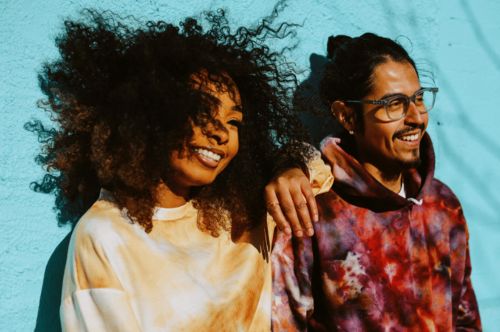
Fashion in 2026 reflects a collective desire for comfort without sacrificing personality. Streetwear continues to dominate, but it’s become more expressive and less uniform. Styles are oversized, textures are layered, and individuality is the guiding principle.
Oversized pieces, in particular, have moved from trend to staple. They offer:
- Freedom of movement
- A relaxed yet intentional aesthetic
- A canvas for bold graphics and statements
Brands that understand this balance between comfort and identity are resonating with younger audiences. For example, labels like Scummy Bears have leaned into playful, irreverent designs that align with internet-first culture. The oversized hoodies from Scummy Bears reflect the broader cultural shift into clothing that communicates a strong visual identity. In a world that feels fast and unpredictable, comfort becomes a form of control.
The Return of Subcultures
While the internet has globalized trends, it has also allowed subcultures to flourish. In 2026, we’re seeing a resurgence of tightly defined aesthetic communities, but with a digital twist.
Think:
- DIY music collectives with distinct visual codes
- Hyper-specific fashion niches built around color palettes or eras
- Local scenes that gain international attention through online exposure
What’s different now is how these subcultures scale. A small group in one city can inspire a global following in days. Yet despite the reach, the core appeal remains intimacy and belonging.
This dynamic has changed how artists and brands approach collaboration. Instead of chasing mass appeal, many are choosing to partner with smaller communities that have strong identities. The focus is on alignment rather than volume.
Nostalgia With a Modern Filter
Nostalgia continues to influence pop culture, but in 2026, it rarely appears in its original form. Instead, creators remix past decades through a contemporary lens.
We’re seeing:
- Early 2000s fashion reinterpreted with modern tailoring
- Retro sound samples layered into experimental production
- Vintage graphic styles reworked for digital platforms
This isn’t about copying the past. It’s about recontextualizing it. Younger audiences engage with eras they never experienced firsthand, while older audiences find familiar references presented in new ways.
The key to making nostalgia work today is authenticity. Audiences are quick to spot surface-level references. Successful reinterpretations usually add commentary or contrast, acknowledging both the appeal and the limitations of the original era.
In music, this might look like blending a classic pop structure with contemporary lyrical themes. In fashion, it could mean updating a throwback silhouette with sustainable materials or inclusive sizing. The past becomes a toolkit rather than a template.
Creators as Cultural Powerhouses
In 2026, creators rival traditional celebrities in influence. Independent musicians, streamers, stylists, and visual artists shape trends through direct relationships with their audiences.
What sets this era apart is access. Fans expect:
- Behind-the-scenes content
- Transparent conversations about process
- Direct interaction through live streams and community platforms
This shift has redistributed power. Major labels, fashion houses, and media outlets still matter, but they’re no longer the sole gatekeepers. A creator with a clear aesthetic and strong community can set a trend from a bedroom studio.
For brands navigating this space, a partnership strategy is everything. The most successful collaborations feel organic, rooted in shared values rather than transactional promotion. When done right, these collaborations amplify both parties without diluting authenticity.
Where Pop Culture Goes Next
Pop culture in 2026 is layered, fast-moving, and deeply participatory. Music crosses genres. Fashion prioritizes comfort and expression. Subcultures thrive alongside global trends. Nostalgia fuels creativity rather than limiting it.
For readers who want to stay ahead, the key is observation. Pay attention to the small communities before they scale. Notice how artists build worlds, not just songs. Watch how fashion shifts in response to mood and environment. Most of all, remember that pop culture is a conversation. It evolves through interaction between creators and fans, between past and present, between online and offline spaces. The more actively you engage with it, the more you’ll understand where it’s heading next.
About the Author