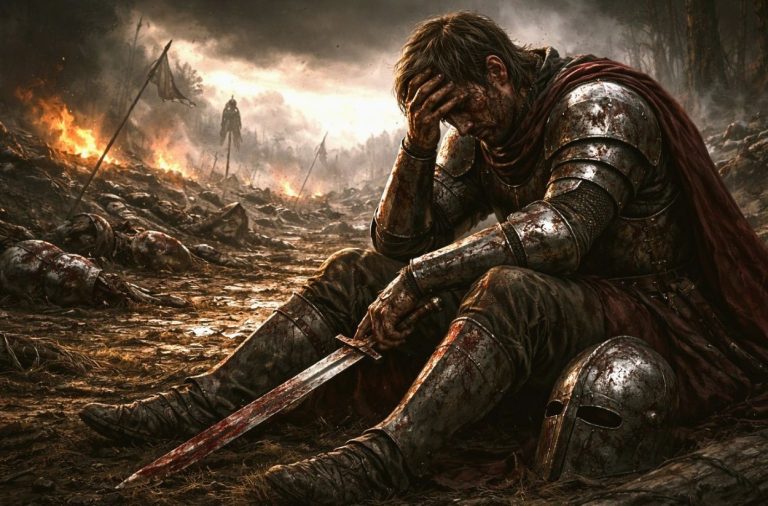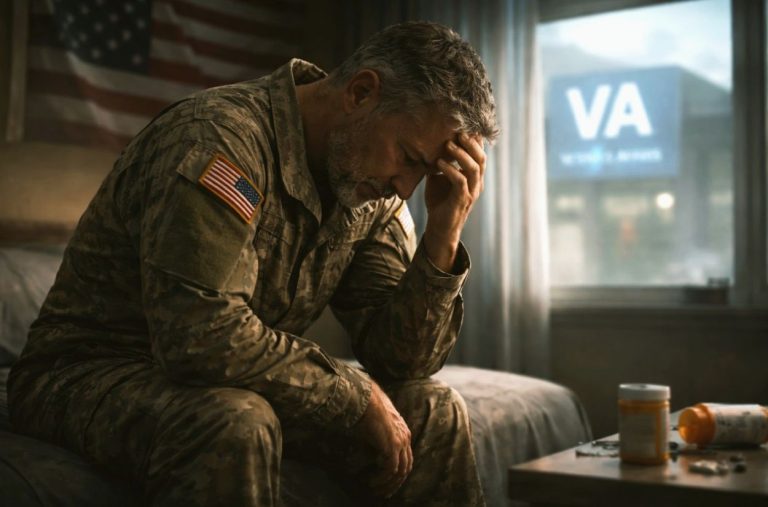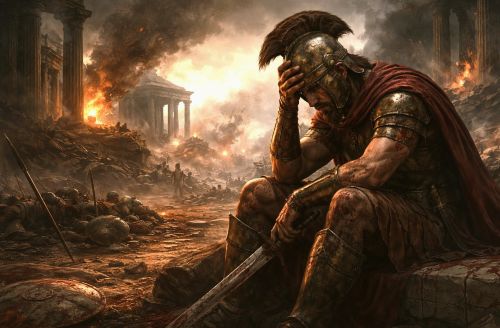
Ancient texts reveal that soldiers suffered psychological trauma long before modern diagnosis, expressing war’s mental toll through visions, madness, and enduring emotional distress.

By Matthew A. McIntosh
Public Historian
Brewminate
Introduction: War, Trauma, and Historical Interpretation
War has always imposed profound physical and psychological demands, yet the language used to describe these effects has varied widely across time and culture. In modern contexts, terms such as post-traumatic stress disorder (PTSD) provide a clinical framework for understanding combat’s lasting mental impact. Ancient societies lacked such terminology, but not the experiences themselves. The assumption that psychological trauma is a modern phenomenon overlooks the continuity of human responses to violence, fear, and loss, rooted in shared biological processes.
Ancient soldiers experienced psychological trauma long before modern diagnosis. Texts from Assyria, Greece, and Rome describe symptoms such as sleeplessness, hallucinations, emotional withdrawal, and lasting mental strain following combat.
The challenge for historians lies in interpreting these sources without imposing modern categories too rigidly or dismissing ancient descriptions as purely symbolic. Accounts of possession, divine intervention, or madness often contain detailed observations of behavior that correspond closely to what would now be recognized as trauma-related symptoms. Sleeplessness, intrusive memories, emotional withdrawal, and sudden behavioral changes appear in a range of texts from the ancient Near East to the classical Mediterranean. These descriptions must be read both within their cultural context and with awareness of the underlying human experiences they convey. The task is not to retroactively diagnose ancient individuals but to recognize patterns of distress that transcend historical boundaries.
Ancient authors recorded these experiences in genres including medical texts, historical narratives, and epic poetry. Each of these forms reflects a different mode of interpretation. Medical texts from Mesopotamia, for example, often attributed distress to supernatural causes, while Greek historians such as Herodotus documented unusual psychological phenomena in the context of specific events. Epic traditions, particularly those associated with Homer, embedded emotional and psychological responses within narrative frameworks that emphasized honor, loss, and identity. Roman writers, drawing on both historical and moral traditions, offered accounts that approached psychological observation with a greater degree of detachment. These sources provide a diverse but coherent body of evidence showing how ancient societies perceived and represented the mental consequences of war.
Psychological trauma in the ancient world was both real and recognizable, even if it was not conceptualized in modern clinical terms. Across different cultures and time periods, individuals exposed to warfare exhibited patterns of behavior that reflect enduring aspects of human response to extreme stress. What differed was not the experience itself but the interpretive lens through which it was understood and explained. By examining cases from Assyria, Greece, and Rome, this study seeks to trace the continuity of war’s psychological burden while also highlighting the cultural specificity of its interpretation. In doing so, it underscores the importance of reading ancient sources with both historical sensitivity and an awareness of the shared human conditions they reveal.
Assyrian Evidence: Possession, Guilt, and the Language of Spirits
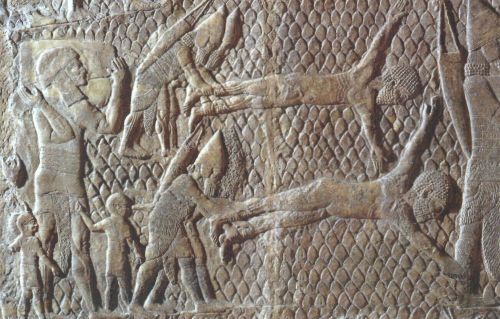
Some of the earliest recorded descriptions of psychological distress associated with warfare appear in the medical and diagnostic texts of ancient Mesopotamia, particularly those of Assyria. These clay tablets, composed between the second and first millennia BCE, preserve detailed observations of symptoms exhibited by individuals, including soldiers, who had experienced violence in combat. Rather than interpreting these conditions in purely physical terms, Assyrian healers understood them through combining medicine, religion, and moral causation. Illness was often attributed to supernatural forces, including the influence of gods, demons, or the restless spirits of the dead. The psychological consequences of killing in battle could be explained as a form of spiritual disturbance rather than a purely internal condition.
Among the most striking descriptions are those of soldiers who were believed to be “seized” or “pursued” by the ghosts of those they had killed. These accounts describe individuals who experienced persistent fear, agitation, and an inability to rest, often accompanied by vivid sensory impressions suggesting the presence of unseen entities. The symptoms included sleeplessness, recurring visions, and emotional withdrawal, all of which interfered with daily functioning. In some cases, the afflicted were described as hearing or seeing the spirits of the dead, who demanded recognition or retribution. While framed in supernatural terms, these descriptions closely parallel what modern observers might identify as intrusive memories, hallucinations, and severe anxiety following traumatic events.
The Assyrian explanation of these symptoms was rooted in a broader moral and cosmological system in which violent acts could disrupt the balance between the living and the dead. The appearance of a ghost was not merely a symptom but an indication of unresolved moral tension. This interpretation suggests an implicit recognition that participation in violence could carry enduring psychological consequences, even when socially sanctioned. Rituals and incantations were prescribed as treatments, aimed at appeasing or expelling the spirit and restoring equilibrium. These practices reflected the belief that healing required not only the alleviation of symptoms but also the resolution of the underlying spiritual disturbance. The Assyrian approach integrated psychological, religious, and ethical dimensions into a single explanatory model, offering a culturally coherent method for addressing both the experience and meaning of distress.
The detail in these texts suggests careful observation of behavioral patterns rather than purely symbolic representation. Assyrian diagnostic compendia, such as those associated with the sakikkū tradition, categorized symptoms with a degree of precision that indicates systematic attention to the manifestations of distress. The recurrence of similar descriptions across multiple texts implies that such conditions were not isolated incidents but recognized phenomena. Although interpreted through the language of spirits and possession, the consistency of these accounts points to a shared human response to the experience of violence and its aftermath.
The Assyrian evidence provides an early and compelling example of how mental trauma was both experienced and understood in the ancient world. The context of possession and haunting does not obscure the reality of the suffering described; rather, it reveals the cultural tools available for making sense of it. By situating distress within a moral and spiritual context, Assyrian healers offered an explanation that aligned with their broader understanding of the world, even as it captured patterns of behavior that remain recognizable today. These texts demonstrate that the psychological cost of war was not only present in ancient societies but was sufficiently widespread to be documented, categorized, and treated within their existing systems of knowledge. They also highlight the importance of interpretation, showing that while the symptoms of trauma may be consistent across time, the meanings assigned to those symptoms are shaped by cultural beliefs about morality, the supernatural, and the relationship between the living and the dead.
Greek Case Study: Epizelus and Combat-Induced Blindness
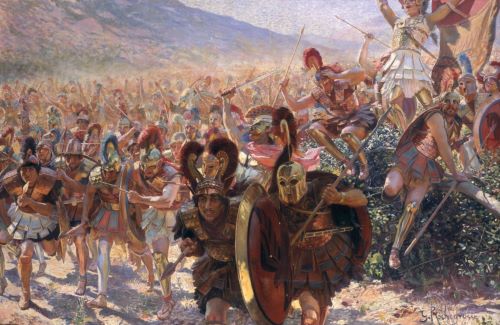
The Greek historical tradition offers one of the clearest early accounts of acute cognitive disruption in warfare through the case of Epizelus, an Athenian soldier at the Battle of Marathon in 490 BCE. The historian Herodotus records that Epizelus, while engaged in close combat, suddenly lost his sight despite suffering no physical wound. According to the account, he remained blind for the rest of his life. This episode stands out not only because of its dramatic nature but also because of the specificity with which it is described. Herodotus does not attribute the blindness to any visible injury, instead emphasizing the absence of physical cause, which invites interpretation beyond the realm of bodily harm.
Epizelus himself reportedly described a vivid and unsettling experience at the moment of his blindness. He claimed to have seen a towering figure in full armor, whose beard overshadowed his shield, pass him by and kill the soldier standing next to him. This vision, both detailed and sudden, suggests an intense sensory and psychological event occurring in the midst of combat. The scale and clarity of the figure, combined with the immediacy of the violence he witnessed, indicate a moment of overwhelming perceptual intensity that may have exceeded the capacity of ordinary cognitive processing. While Herodotus presents the account without explicit medical explanation, the description aligns closely with what modern observers might recognize as a hallucination triggered by extreme stress. The combination of visual disturbance and immediate, lasting physical impairment indicates a response that cannot be easily reduced to conventional injury, pointing instead to a profound disruption of perception under conditions of acute psychological strain.
Modern scholars interpret the phenomenon of sudden blindness without physical cause as a psychosomatic response, sometimes described as conversion disorder or combat-induced hysteria. In such cases, psychological strain manifests as physical symptoms, reflecting the body’s response to overwhelming stress. The battlefield conditions at Marathon, characterized by close combat, high mortality, and intense sensory overload, would have provided an environment in which such reactions could occur. Epizelus’s blindness can be understood as an acute manifestation of trauma, in which the mind’s response to fear and shock produced a lasting alteration in bodily function.
For ancient Greek audiences the explanation of such events was shaped by a different set of assumptions. The appearance of a mysterious armored figure could be interpreted as a divine or supernatural presence, consistent with a worldview in which gods and heroic figures intervened directly in human affairs. Herodotus’s account does not resolve this ambiguity, allowing the narrative to operate on both descriptive and interpretive levels. The figure described by Epizelus may have been understood as a manifestation of divine power, a symbolic representation of battle, or an event that defied ordinary explanation altogether. This interpretive openness reflects the broader Greek tendency to integrate the human and the divine within historical narrative, rather than sharply separating natural and supernatural causation. The event is recorded as something that happened, but its meaning remains open to interpretation within the cultural construct of the time, highlighting the coexistence of empirical observation and mythic understanding in Greek historiography.
The case of Epizelus provides a valuable example of how psychological trauma could be both observed and misunderstood in the ancient world. The detailed description of his experience preserves a record of acute distress that is recognizable across historical boundaries, even as its interpretation reflects the cultural and intellectual context of classical Greece. By documenting the absence of physical injury alongside the presence of severe impairment, Herodotus offers a rare glimpse into the psychological dimensions of ancient warfare. The episode underscores the broader argument that while the language used to describe trauma has changed, the underlying human experience has remained consistent, bridging the gap between ancient narrative and modern understanding.
Homeric Psychology: Rage, Grief, and Breakdown in Epic Narrative

The Homeric epics, particularly the Iliad, offer influential early representations of the psychological effects of war, though within a poetic and narrative framework rather than a clinical or historical one. These texts do not describe trauma in modern terms, yet they offer sustained attention to the emotional and psychological states of warriors exposed to violence, loss, and prolonged conflict. The experiences of figures such as Achilles and Ajax reveal patterns of behavior that align with extreme stress responses, including rage, withdrawal, disorientation, and self-destructive action. While embedded in a heroic tradition that emphasizes honor and glory, these narratives also expose the destabilizing consequences of warfare on individual identity and emotional equilibrium.
Achilles’ response to the death of Patroclus is among the most striking portrayals of grief in ancient literature. His initial withdrawal from battle, motivated by wounded honor, transforms into an overwhelming and consuming rage when Patroclus is killed. This shift is not merely a change in mood but a profound psychological rupture. Achilles becomes increasingly detached from social norms and communal obligations, expressing a desire for vengeance that overrides all other considerations. His treatment of Hector’s body, marked by repeated acts of desecration, suggests a loss of restraint and an inability to process grief within conventional boundaries. The intensity of his reaction reflects a form of emotional destabilization in which personal loss becomes inseparable from the violence of war itself.
The figure of Ajax presents a different but equally revealing example of psychological breakdown. In later traditions, particularly those preserved in Greek tragedy, Ajax experiences a sudden collapse following the awarding of Achilles’ armor to Odysseus. Overcome by humiliation and anger, he enters a state of madness in which he attacks livestock, believing them to be his enemies. This episode reflects not only a moment of disorientation but a complete rupture between perception and reality, suggesting a mind overwhelmed by emotional strain. When he regains awareness of his actions, the realization of what he has done leads to profound shame and ultimately to his suicide. The sequence from humiliation to madness to self-destruction captures a progression of war-induced distress that extends beyond momentary anger, illustrating how identity, honor, and social standing were deeply intertwined with mental stability in the heroic worldview. Although framed within a moral and narrative structure, the story reflects recognizable patterns of mental collapse associated with trauma, disorientation, and loss of self-control.
The Homeric representation of these experiences is shaped by a cultural framework that emphasizes honor, fate, and the influence of the gods. Emotional extremes are often attributed to divine intervention, with gods and goddesses described as influencing the thoughts and actions of human characters. This attribution does not negate the psychological reality of the experiences described but rather provides a means of explaining them within the intellectual context of the time. Rage, grief, and madness are not treated as internal conditions in a modern sense but as states that emerge from the interaction between human vulnerability and external forces. This perspective reflects a broader ancient tendency to locate the causes of psychological disturbance outside the individual, even as it records their internal effects.
The consistency and depth of emotional portrayal in the Iliad suggest clear awareness of the psychological impact of war. The narrative repeatedly returns to themes of loss, fear, and the fragility of human life, emphasizing the cost of conflict beyond physical injury. Warriors are shown not only as agents of violence but also as individuals who experience profound emotional consequences of their actions and circumstances. Moments of grief, hesitation, and reflection appear alongside scenes of combat, creating a layered depiction of the warrior experience that extends beyond heroism alone. The interplay between personal emotion and collective expectation creates a tension that runs throughout the epic, highlighting the difficulty of maintaining identity and purpose in the face of sustained violence. This tension underscores the psychological strain inherent in the heroic code itself, where the demands of honor can conflict with the emotional realities of loss and suffering.
The Homeric epics offer a complex and nuanced account of the human response to warfare, one that anticipates later understandings of trauma while remaining rooted in its own cultural context. The experiences of Achilles and Ajax demonstrate that the psychological costs of war were recognized and explored long before the development of modern psychological theory. Although expressed through the language of myth and poetry, these narratives preserve insights into the enduring effects of violence on the human mind. By examining these texts, it becomes possible to trace a continuity in the experience of trauma across time, even as the models used to interpret that experience have changed.
Roman Experience: Memory, Stress, and Elite Testimony

Roman sources offer a distinct perspective on the psychological consequences of warfare, shaped by a culture that valued discipline, endurance, and public duty. Unlike the mythic and poetic constructs of the Greek world, Roman accounts often emerge from historical writing, biography, and moral reflection. These texts tend to describe the experiences of elite figures, particularly generals and statesmen, whose lives were closely tied to military success and political authority. While Roman authors did not articulate a concept of trauma-related response in modern terms, they recorded patterns of behavior that suggest the lasting mental impact of prolonged exposure to war.
One of the most illustrative cases appears in Plutarch’s account of Gaius Marius, the Roman general whose career was defined by repeated military campaigns and political upheaval in the late second century BCE. In his later years, Marius is described as suffering from persistent anxiety, disturbed sleep, and vivid recollections of past battles. These symptoms are presented not as isolated incidents but as part of a broader pattern of mental distress that accompanied his declining health and political fortunes. Plutarch’s narrative emphasizes the cumulative effect of a life spent in conflict, suggesting that the burdens of command extended beyond the battlefield and into the inner life of the individual. The portrayal of Marius also reflects the psychological strain associated with repeated exposure to violence, where memory itself becomes a source of distress rather than a record of achievement. His experiences indicate that the consequences of war were not confined to immediate danger but could persist long after active service had ended, shaping both personal well-being and public behavior.
The Roman interpretation of such experiences was influenced by cultural expectations surrounding masculinity and self-control. Emotional disturbance was often framed as a failure of discipline or a sign of moral weakness, rather than as a condition requiring treatment. This perspective did not prevent the recognition of distress but shaped the way it was described and evaluated. In the case of Marius, his symptoms are intertwined with his character and circumstances, reflecting a worldview in which psychological and moral states were closely linked. The language used to describe his condition emphasizes turmoil and instability, but it stops short of identifying these experiences as a distinct form of illness.
Roman literature also reflects a broader awareness of the psychological strain associated with warfare, particularly in accounts of leadership and responsibility. Generals were expected to maintain composure under extreme pressure, making decisions that affected the lives of thousands. The weight of this responsibility, combined with the experience of repeated violence, created conditions in which stress and anxiety could accumulate over time. Accounts of military leaders frequently allude to sleeplessness, agitation, and moments of emotional intensity, suggesting that the demands of command extended beyond physical endurance to include significant mental strain. These descriptions, though often embedded within broader narratives, indicate an understanding that leadership in war required navigating not only external challenges but also internal pressures that could erode stability and judgment.
The testimony of Roman authors is further shaped by their interest in moral exempla, using historical figures to illustrate broader lessons about virtue and vice. This approach influences the way psychological trauma is presented, often embedding it within narratives of rise and decline, success and failure. Symptoms such as anxiety or disturbed sleep may be interpreted as reflections of internal conflict or as consequences of excessive ambition. Despite this moralizing context, the consistency of such descriptions points to a recognition of the mental toll exacted by sustained exposure to violence and uncertainty.
The Roman evidence reveals both continuity and change in the historical understanding of war’s psychological impact. Like their Greek and Assyrian counterparts, Roman authors documented behaviors that correspond to what would now be identified as trauma-related symptoms. Their interpretations were shaped by a distinct cultural emphasis on discipline, duty, and moral character. By examining these accounts, it becomes possible to see how the experience of emotional destabilization persisted across different societies, even as the language used to describe and evaluate it evolved. The Roman case underscores the importance of reading historical sources with attention to both the universality of human experience and the specificity of cultural interpretation.
Extreme Trauma Responses: Cestius and Despair in War Contexts
Accounts of extreme psychological responses to warfare in the ancient world are less common than descriptions of ongoing distress, but when they do appear, they offer powerful insight into the limits of human endurance under conditions of fear, loss, and instability. One such case is preserved in the writings of Appian of Alexandria, who describes an individual identified as Cestius Macedonicus during a moment of crisis in the late Roman Republic. Faced with the imminent threat of violence and the collapse of security, Cestius reportedly set fire to his own home and perished in the flames. While the act is framed within a broader narrative of political and military turmoil, it also suggests a psychological response shaped by overwhelming stress and a perceived absence of alternatives.
The context of this event is critical to understanding its significance. Periods of siege, civil conflict, and rapid political change created environments in which ordinary structures of life were disrupted, leaving individuals exposed to uncertainty and fear. In such conditions, the boundaries between rational decision-making and emotional reaction could become blurred. The destruction of one’s own property, coupled with self-inflicted death, represents an extreme form of response that may reflect not only despair but also a loss of control over circumstances. The act can be interpreted as an attempt to assert agency in a situation where external forces appeared to dictate all possible outcomes.
From a modern perspective, such behavior might be understood in relation to acute stress reactions, trauma-induced despair, or catastrophic thinking under conditions of perceived inevitability. The experience of impending violence, particularly when combined with the breakdown of social and political order, can produce a sense of hopelessness that narrows the range of perceived choices. Individuals in such situations may come to view future outcomes as both unavoidable and intolerable, intensifying emotional distress and reducing the capacity for measured response. The actions attributed to Cestius may be seen as an extreme manifestation of psychological distress, in which the anticipation of suffering becomes as significant as the suffering itself. The convergence of fear, loss, and perceived inevitability can create conditions in which self-destructive actions are interpreted not as irrational but as responses shaped by overwhelming psychological pressure.
Ancient authors, including Appian, did not present such acts as symptoms of psychological illness but as part of the broader drama of historical events. The emphasis is placed on the circumstances surrounding the act rather than on the internal state of the individual. This perspective reflects a tendency within ancient historiography to prioritize external causes and visible actions over introspective analysis. Nevertheless, the inclusion of such episodes indicates an awareness that extreme conditions could produce equally extreme responses, even if the mechanisms behind those responses were not explicitly examined.
The case of Cestius highlights the outer limits of psychological strain in the context of warfare and political instability. While less systematically documented than other forms of distress, such episodes reveal the capacity of extreme circumstances to provoke actions that challenge conventional expectations of behavior. By examining these accounts, it becomes possible to recognize that the psychological impact of war extends beyond chronic symptoms to include moments of acute and irreversible decision. The ancient record, though shaped by its own interpretive frameworks, preserves evidence of how deeply war could affect the human mind, even when that effect was expressed through actions rather than described through analysis.
Interpreting Ancient Trauma: Culture, Language, and Meaning

Evidence from Assyrian, Greek, and Roman sources presents a consistent pattern of the mental burden associated with warfare, yet interpretation varies significantly across cultures. Ancient societies did not possess a unified or systematic concept of mental illness comparable to modern psychiatric understandings. Instead, they understood distress through the intellectual, religious, and moral systems available to them. This diversity of interpretation complicates the task of historical analysis, requiring careful attention to both the symptoms described and the meanings assigned to them. The challenge lies in recognizing the continuity of human experience while avoiding the imposition of anachronistic categories.
One of the most important distinctions between ancient and modern understandings of trauma lies in the attribution of causation. In Mesopotamian contexts, distress was often explained as the result of supernatural forces, such as ghosts or divine displeasure. Greek accounts frequently incorporated the intervention of gods or the influence of fate, while Roman interpretations tended to emphasize character, discipline, and moral condition. In each case, the explanation of psychological disturbance reflects broader cultural assumptions about the relationship between the individual and the forces that shape human experience. These frameworks provided not only explanations but also avenues for response, whether through ritual, narrative, or moral reflection. They also shaped expectations about responsibility and recovery, influencing whether distress was seen as something to be treated, endured, or morally corrected. The meaning of psychological suffering was inseparable from the cultural systems that defined both its causes and its appropriate resolution.
Language plays a central role in shaping how psychological experiences are perceived and communicated. The absence of terms equivalent to modern diagnostic categories does not indicate the absence of the phenomena themselves but rather the use of different conceptual tools to describe them. Words associated with madness, possession, or divine influence often functioned as interpretive bridges between observable behavior and culturally meaningful explanation. For historians, this linguistic difference requires a careful reading of sources that attends to both description and context. Symptoms must be identified not through terminology alone but through patterns of behavior and experience that can be traced across different texts and traditions.
The cultural framing of trauma influenced not only how it was understood but also how it was experienced. The expectation that distress might be caused by supernatural forces, for example, could shape the form that symptoms took, reinforcing visions or sensations that aligned with those beliefs. Similarly, a culture that emphasized honor and public reputation might produce expressions of distress centered on shame, loss of status, or failure to meet social expectations. These culturally mediated responses did not replace the underlying psychological experience but interacted with it, giving it recognizable form within a specific social context. The experience of trauma is both universal and culturally mediated, shaped by the interaction between human psychology and social meaning. This dynamic underscores the importance of interpreting ancient evidence within its own intellectual context.
Modern scholarship has increasingly sought to bridge the gap between ancient descriptions and contemporary understanding, drawing on interdisciplinary approaches that combine history, psychology, and anthropology. Rather than imposing modern diagnoses, scholars have focused on identifying recurring patterns of response to violence and stress, recognizing that these patterns can manifest in different ways depending on cultural context. This approach allows for a more nuanced interpretation of ancient sources, one that respects their distinctiveness while acknowledging their relevance to broader questions about human experience. It also highlights the value of comparative analysis in revealing both continuity and variation across time. By examining multiple cultures and genres, scholars are able to distinguish between universal features of trauma and those shaped by specific historical conditions, refining our understanding of both.
The interpretation of ancient trauma requires a balance between recognition and restraint. It is possible to identify behaviors and experiences that correspond to modern understandings of psychological distress, but it is equally important to situate those observations within frameworks that gave them meaning in their own time. By doing so, historians can avoid reducing ancient evidence to modern categories while still engaging with its broader implications. The study of trauma in the ancient world ultimately reveals not only the enduring impact of war on the human mind but also the diverse ways in which societies have sought to understand and respond to that impact.
Conclusion: The Continuity of War’s Psychological Burden
The evidence from Assyrian medical texts, Greek historical accounts, Homeric epic, and Roman biography demonstrates that the psychological consequences of warfare are neither modern nor anomalous. Across cultures separated by geography, language, and intellectual tradition, individuals exposed to violence exhibited patterns of distress that remain recognizable today. Sleeplessness, intrusive memories, emotional instability, hallucinations, and acts of despair appear repeatedly in the historical record, even when described in unfamiliar terms. These recurring patterns suggest that the human response to extreme stress has remained fundamentally consistent, shaped by biological and emotional processes that transcend historical context.
What differs across these societies is not the experience of trauma itself but the frameworks through which it was interpreted and explained. Assyrian healers understood distress as the result of spiritual disturbance, Greek writers often framed it within narratives of divine influence or heroic struggle, and Roman authors interpreted it through the lens of character and moral condition. Each of these approaches reflects a coherent attempt to make sense of experiences that challenged ordinary understanding. The absence of a unified medical model did not prevent recognition of suffering; rather, it led to a diversity of explanations that reveal the cultural specificity of meaning. The study of ancient trauma highlights the distinction between universal human experience and culturally constructed interpretation.
The continuity of psychological response across time underscores the enduring cost of warfare beyond the battlefield. Ancient sources make clear that the effects of combat did not end with physical survival but extended into memory, perception, and emotional life. Warriors carried the consequences of violence with them, whether expressed through visions of the dead, sudden physical impairments, uncontrollable rage, or acts of despair. These experiences often unfolded over time, shaping behavior long after the immediate danger had passed and influencing how individuals related to their communities and themselves. In some cases, distress manifested as withdrawal or instability, while in others it appeared through dramatic and irreversible actions that revealed the depth of internal strain. Such patterns complicate traditional narratives of heroism and victory, revealing a dimension of war that is often obscured by accounts focused on strategy and outcome. By attending to these personal and psychological dimensions, it becomes possible to develop a more comprehensive understanding of the impact of conflict, one that recognizes the enduring human cost behind historical events.
The study of war’s psychological burden in the ancient world ultimately invites reflection on the relationship between past and present. While modern terminology and medical frameworks have transformed how trauma is diagnosed and treated, the underlying human experience remains deeply familiar. Recognizing this continuity does not diminish the differences between ancient and modern societies but instead highlights the persistence of certain fundamental aspects of human life. The ancient record, when read with sensitivity to both context and experience, offers a powerful reminder that the costs of war have always extended beyond the visible, leaving enduring marks on the minds of those who endure it.
Bibliography
- Abdul-Hamid, Walid Khalid, and Jamie Hacker Hughes. “Nothing New under the Sun: Post-Traumatic Stress Disorders in the Ancient World.” Early Science and Medicine 19:6 (2014), 549-557.
- Appian. Roman History, translated by Horace White. Cambridge: Harvard University Press, 1912.
- Barton, Carlin A. The Sorrows of the Ancient Romans: The Gladiator and the Monster. Princeton, NJ: Princeton University Press, 1993.
- Herodotus. Histories. Translated by Robin Waterfield. Oxford: Oxford University Press, 1998.
- Homer. The Iliad. Translated by Samuel Butler. The Internet Classics Archive.
- Lendon, J. E. Soldiers and Ghosts: A History of Battle in Classical Antiquity. New Haven: Yale University Press, 2005.
- Plutarch. The Life of Marius. In Plutarch’s Lives, translated by Bernadotte Perrin. Cambridge, MA: Harvard University Press, 1916.
- Pritchett, W. Kendrick. The Greek State at War. Berkeley: University of California Press, 1974.
- Scurlock, JoAnn, and Burton R. Andersen. Diagnoses in Assyrian and Babylonian Medicine: Ancient Sources, Translations, and Modern Medical Analyses. Urbana: University of Illinois Press, 2005.
- Shay, Jonathan. Achilles in Vietnam: Combat Trauma and the Undoing of Character. New York: Scribner, 1994.
- Snyder, Justin. “’Blood, Guts, and Gore Galore:’ Bodies, Moral Pollution, and Combat Trauma.” Symbolic Interaction 37:4 (2014), 524-540.
- Sophocles. Ajax. Translated by H. Lloyd-Jones. Cambridge, MA: Harvard University Press, Loeb Classical Library, 1994.
- Sousa, A., J. L. Guimarães, and M. F. Fernandes. “Scars of War: Unveiling the Psychiatric Consequences of Conflict and Trauma.” European Psychiatry 68:S1 (2025), S98-S99.
- Stol, Marten. Epilepsy in Babylonia. Groningen: Styx Publications, 1993.
Originally published by Brewminate, 03.25.2026, under the terms of a Creative Commons Attribution-NonCommercial-NoDerivatives 4.0 International license.
About the Author