
During World War II, Japan’s government tightly controlled news, radio, and propaganda to shape public perception, sustain...
Search Results for: Medieval
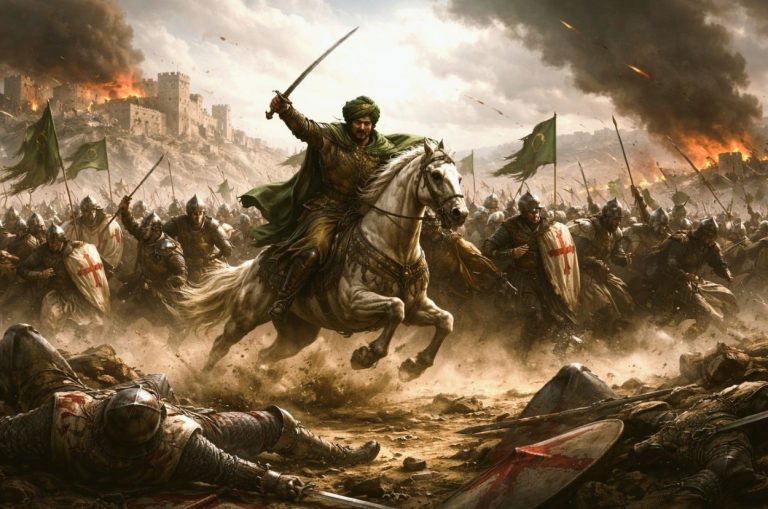
Strategic overconfidence led the Crusader army into disaster at Hattin in 1187, where Saladin’s forces destroyed the...
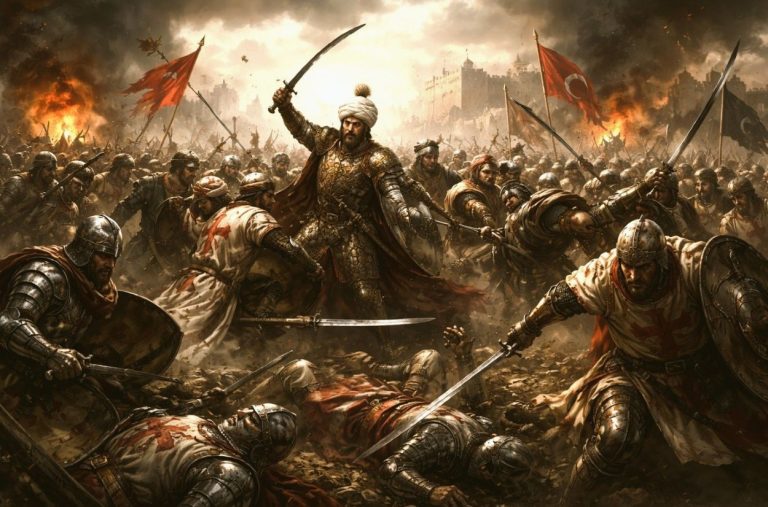
At Nicopolis in 1396, crusader confidence and chivalric ambition collapsed when Ottoman discipline and strategy turned a...

Introduction The concept of enterprise has undergone a profound transformation over the centuries, evolving from small-scale, localised...
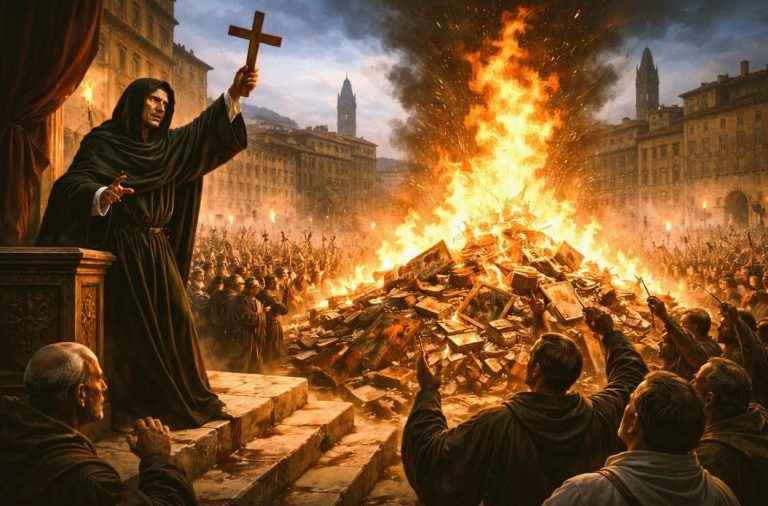
In Renaissance Florence, Girolamo Savonarola fused apocalyptic moral reform with political power, revealing how purification movements can...
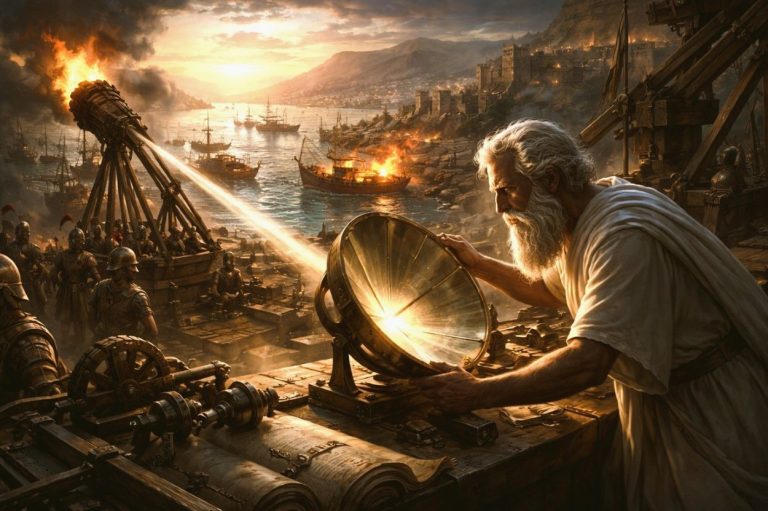
During Rome’s siege of Syracuse, Archimedes’ mathematics became weaponry, revealing how states transform intellectual brilliance into instruments...
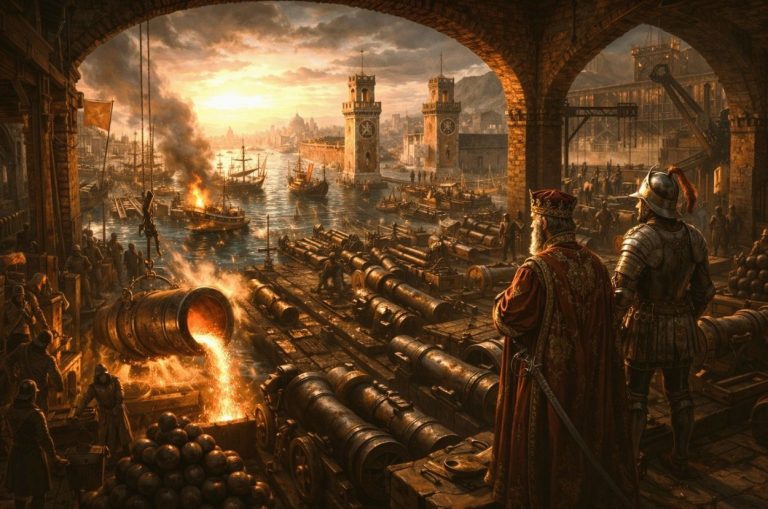
The Venetian Arsenal transformed shipbuilding into a state-controlled military system, centralizing technology and labor to secure maritime...
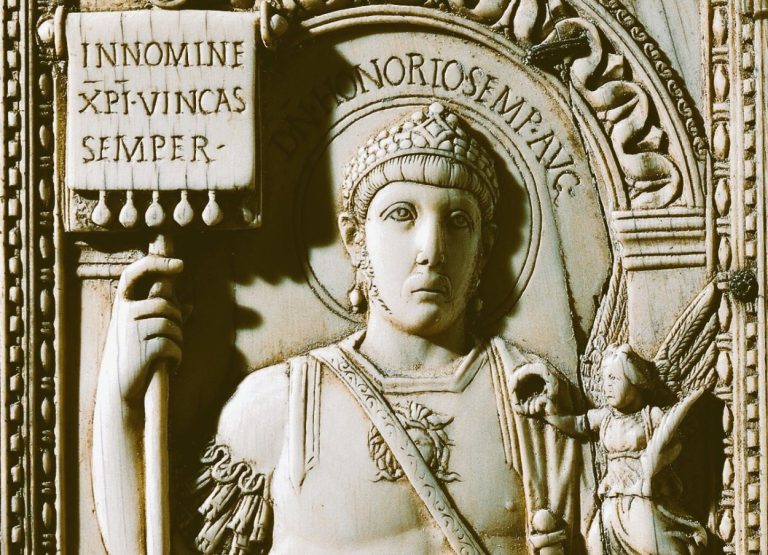
Inheriting imperial power amid systemic crisis, Honorius embodied the widening gap between symbolic sovereignty and functional control...
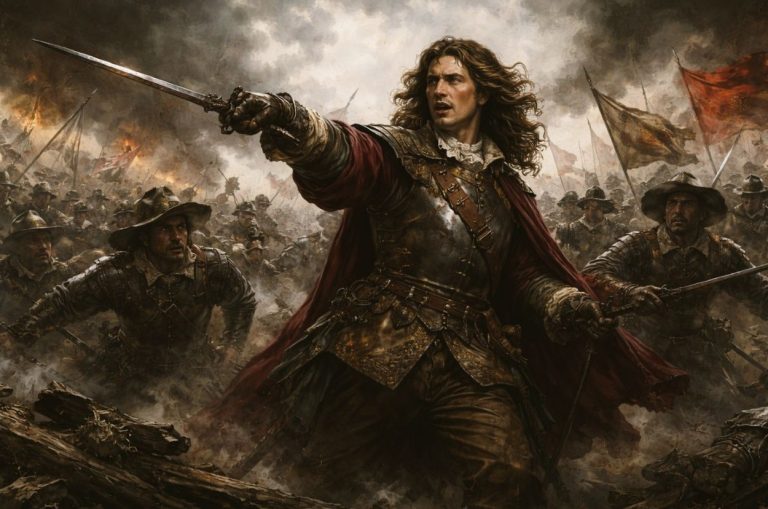
In the crisis before the English Civil War, George Digby exemplified how intellectual brilliance, unrestrained by prudence,...
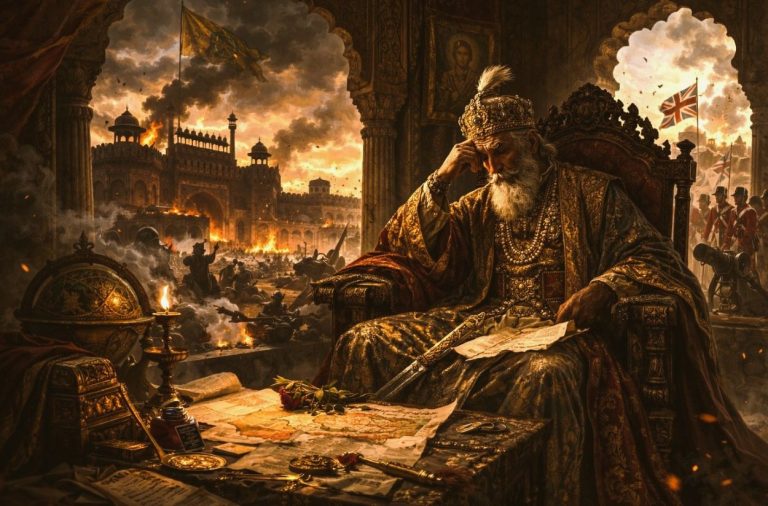
In 1857, rebels revived the Mughal emperor as sovereign symbol, exposing the widening gap between ceremonial monarchy...

Being criminally insane in court means that a person had a severe mental illness at the time...
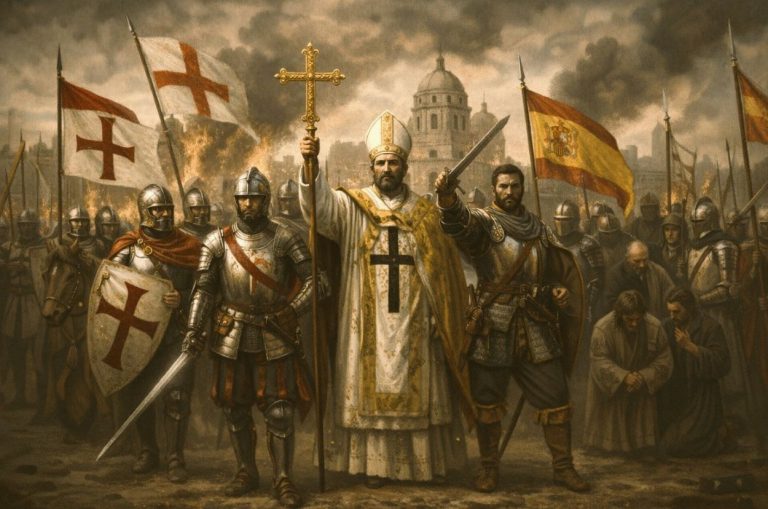
In sixteenth- and seventeenth-century Spain, the army enforced Catholic orthodoxy, revealing how confessional unity became inseparable from...
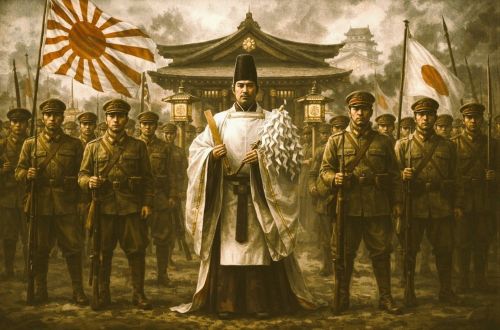
In the nineteenth and twentieth centuries, the Japanese Imperial Army intertwined with State Shinto, fusing militarism, emperor...

Across cultures and centuries, human beings have marked time with celebration. From birth to marriage, harvest to...
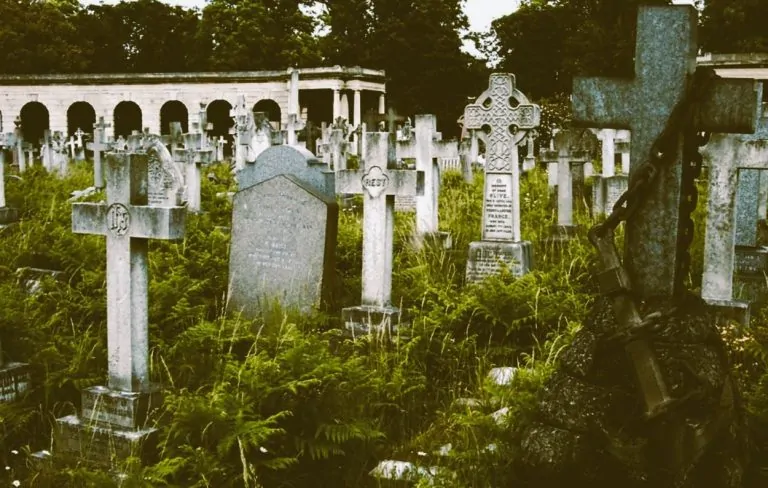
In 1873, Samuel Williams ignited debate over “mercy killing,” exposing Victorian anxieties about medical authority, morality, and...

In Renaissance Venice, the Council of Ten institutionalized secrecy and surveillance, revealing how republican stability depended upon...
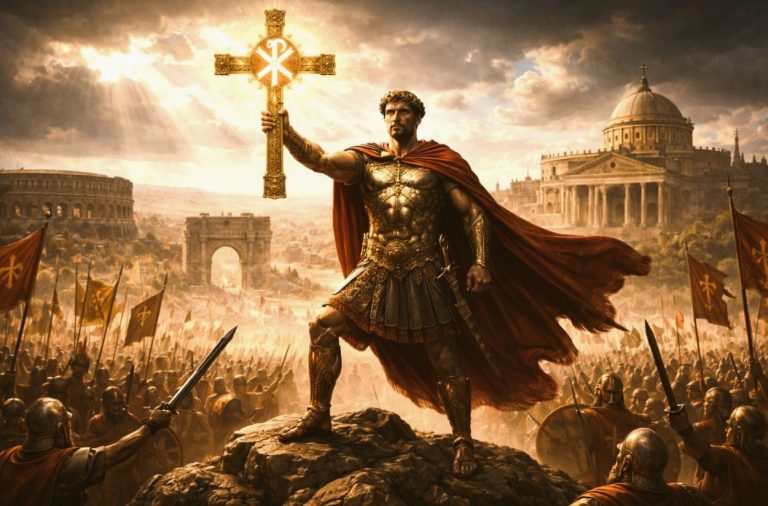
Constantine’s reign illustrates how religious transformation at the highest level of power can operate as strategic realignment...
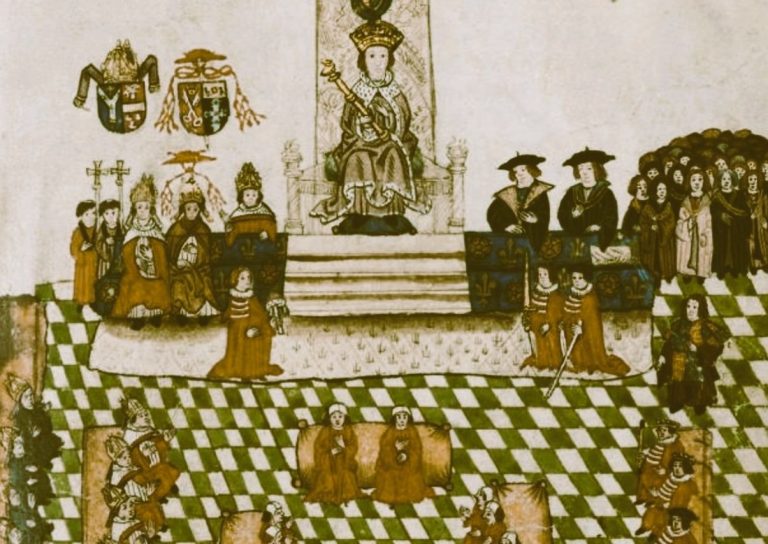
Henry VIII did not set out to reform Christian theology in England; he set out to secure...
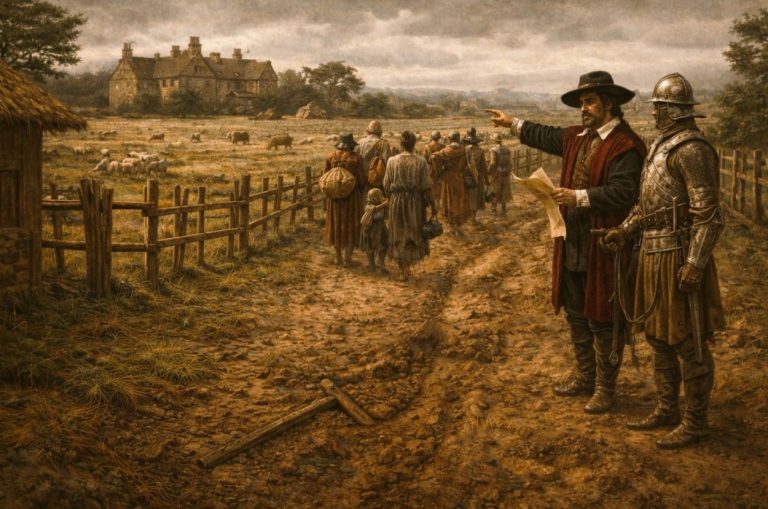
Enclosure demonstrates how profoundly law and markets can reshape social life without overt coercion. Collapse becomes structural...
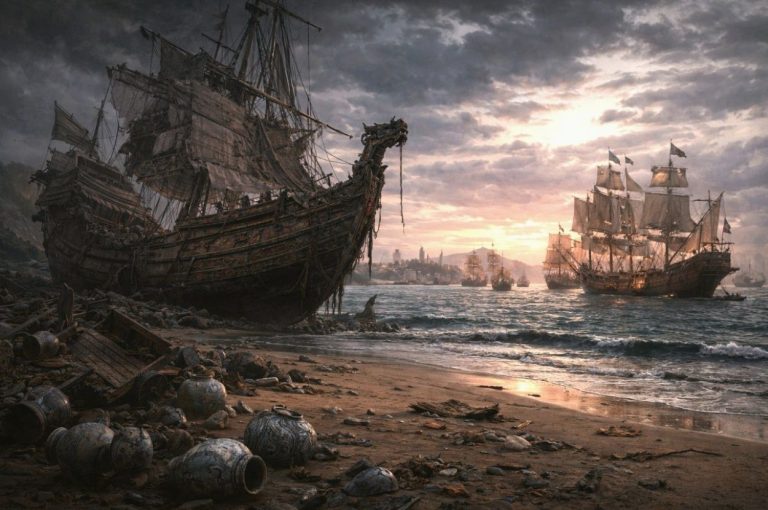
The decision to curtail maritime engagement followed from domestic political recalibration, fiscal prioritization, and ideological conviction rather...
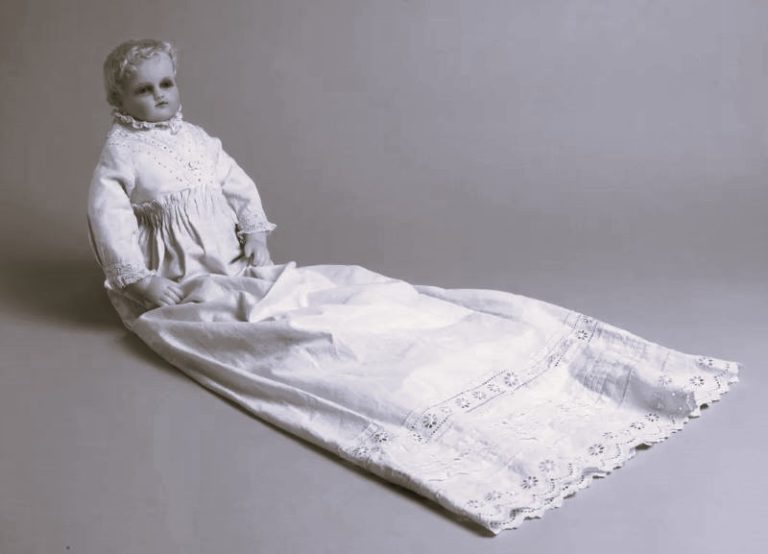
Class-obsessed consumers loved them. By Maria Teresa HartWriter and Editor I like to imagine the voyage of...
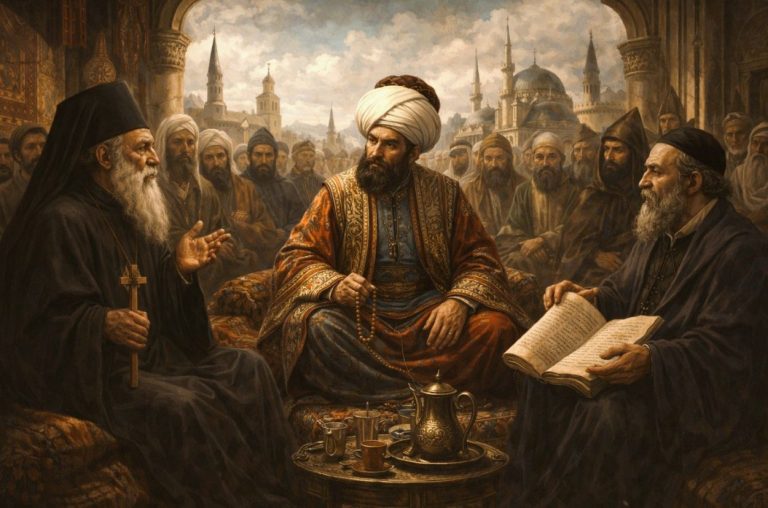
The persistent portrayal of Ottoman governance as religious coercion reveals the extent to which fear shaped external...
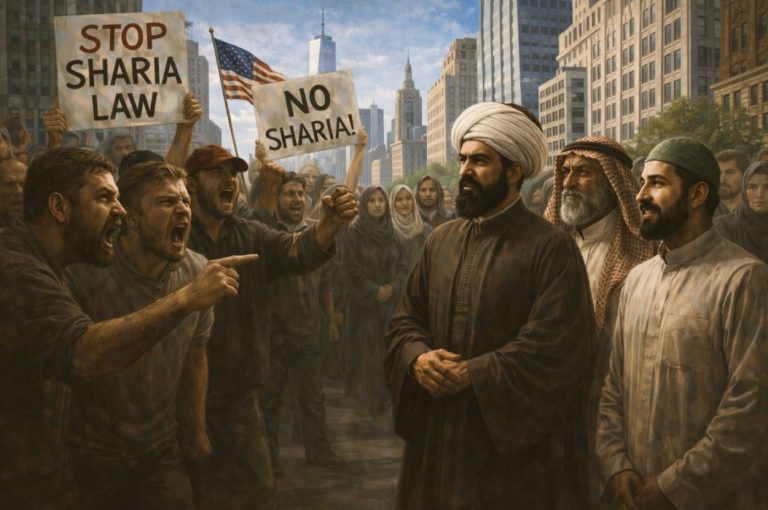
Christian nationalism, not Islam, openly seeks to embed theological morality into public law while denying that it...

The treatment of defeated claimants and rebel nobles after Bosworth reveals a disciplined and sustained distinction between...
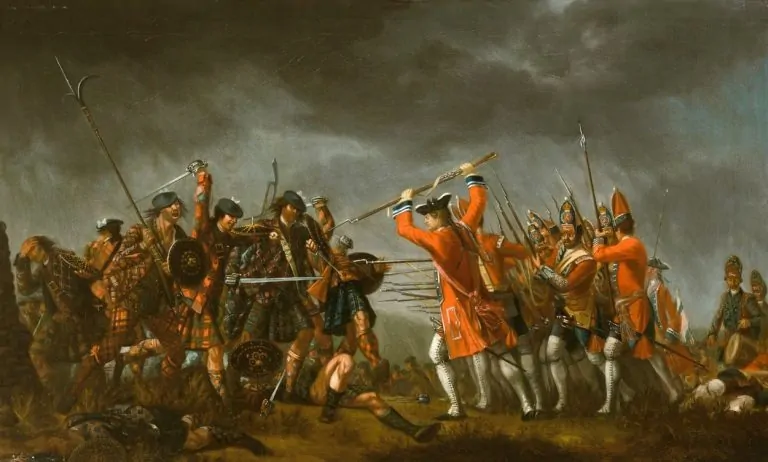
By denying official commemoration, civic ritual, and institutional validation, the state ensured that loss did not acquire...
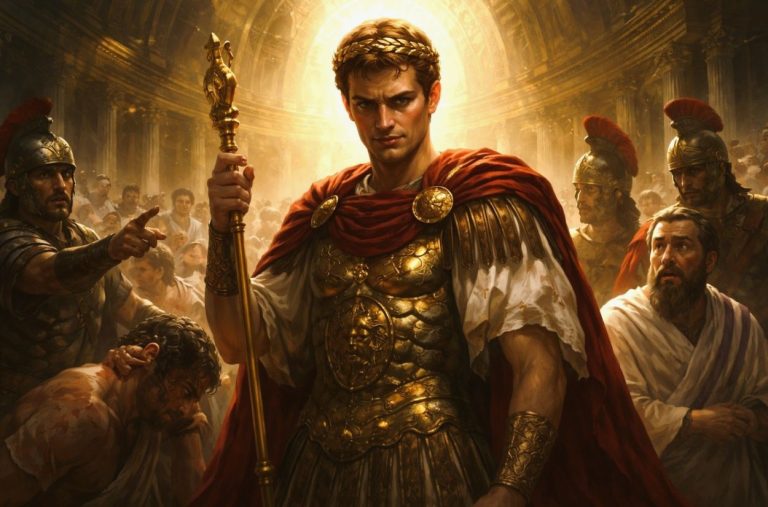
This is not a pathology of modern media or contemporary polarization alone. It is a structural temptation...
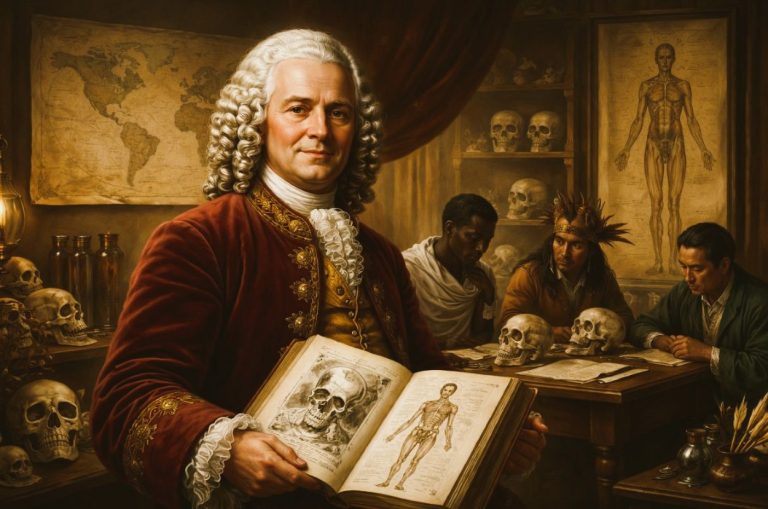
Because of the work of Linnaeus and others, entire populations were positioned as less rational, less capable,...
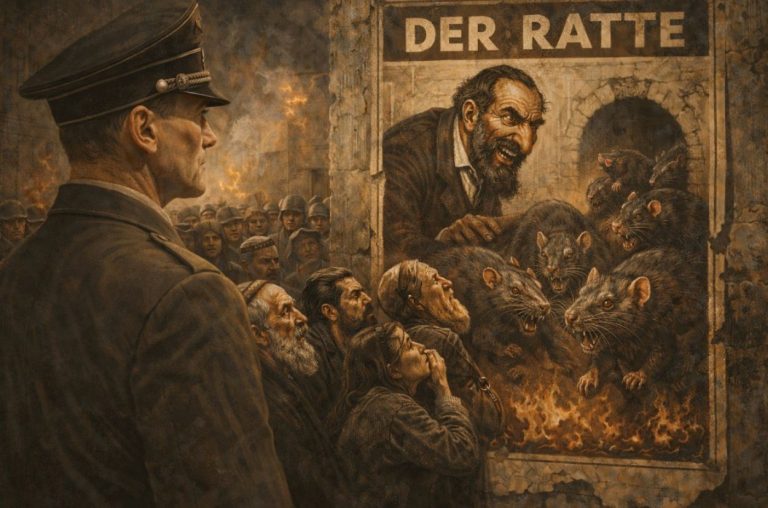
Looking back on the media history of Nazi Germany, its most important ‘modernism’ can only be regarded...
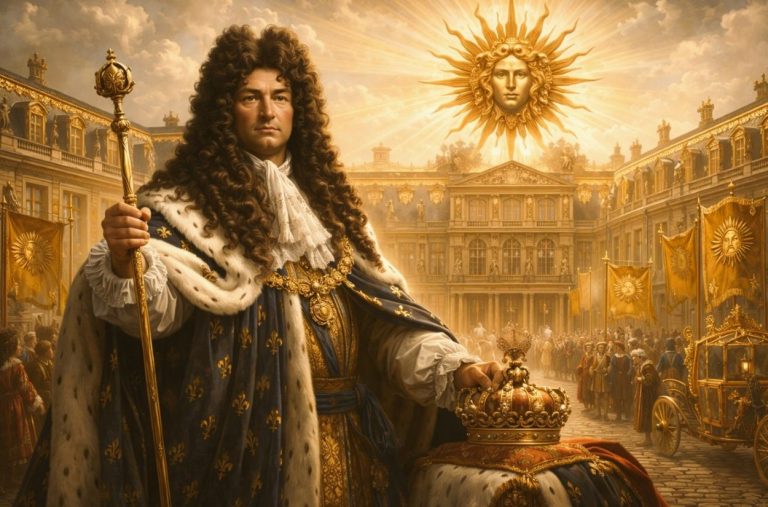
By making the state inseparable from the sovereign’s image, Louis XIV achieved extraordinary control in the present...
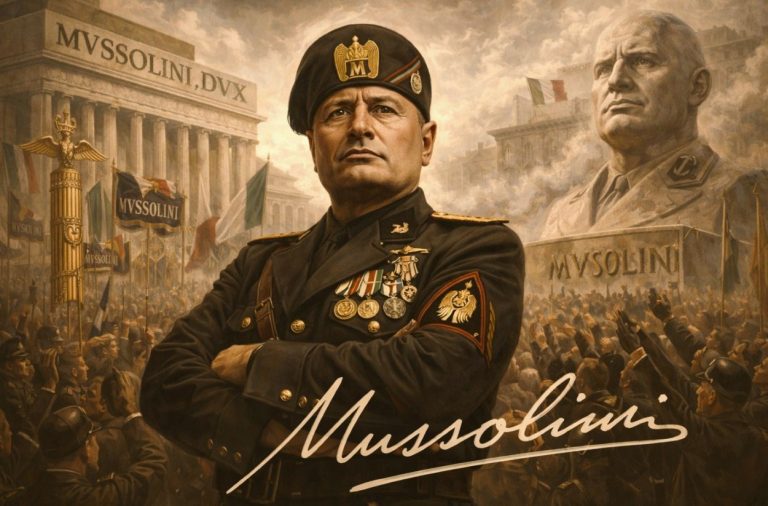
By attaching governance so completely to a single name, Mussolini created a regime that felt omnipresent, decisive,...