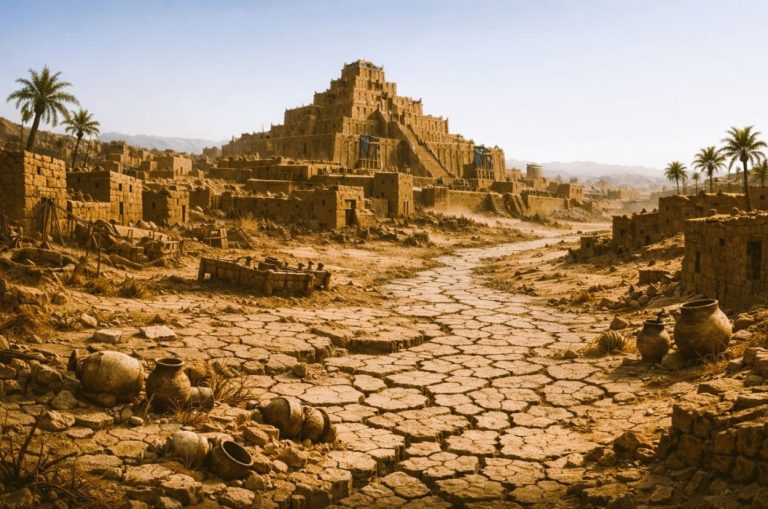
The effects of delayed climate action are already taking shape in regions experiencing rising temperatures, shifting weather patterns, and pressure on essential resources.

By Matthew A. McIntosh
Public Historian
Brewminate
Introduction
Climate change is no longer a distant projection but a documented reality already reshaping environments, communities, and national infrastructures. Scientific assessments show rising temperatures, intensifying weather events, and accelerating disruptions that now affect people across every region of the world. These impacts are especially severe in developing nations, where limited resources heighten the risks and make adaptation far more difficult.
Research shows that global warming is advancing at a pace that demands immediate attention. Observable environmental shifts, including coastal flooding, altered weather patterns, and ecosystem stress, demonstrate that climate change is unfolding in real time. Analysts emphasize that this unfolding crisis is not abstract but personal, affecting daily life, local economies, and long-term security.
At the same time, efforts to prepare communities have revealed stark disparities in readiness. International assessments detail how nations are attempting to address new risks, including sea-level rise, extreme heat, and ecosystem instability. These evaluations stress the need for coordinated response strategies that can help regions withstand increasingly severe climate impacts.
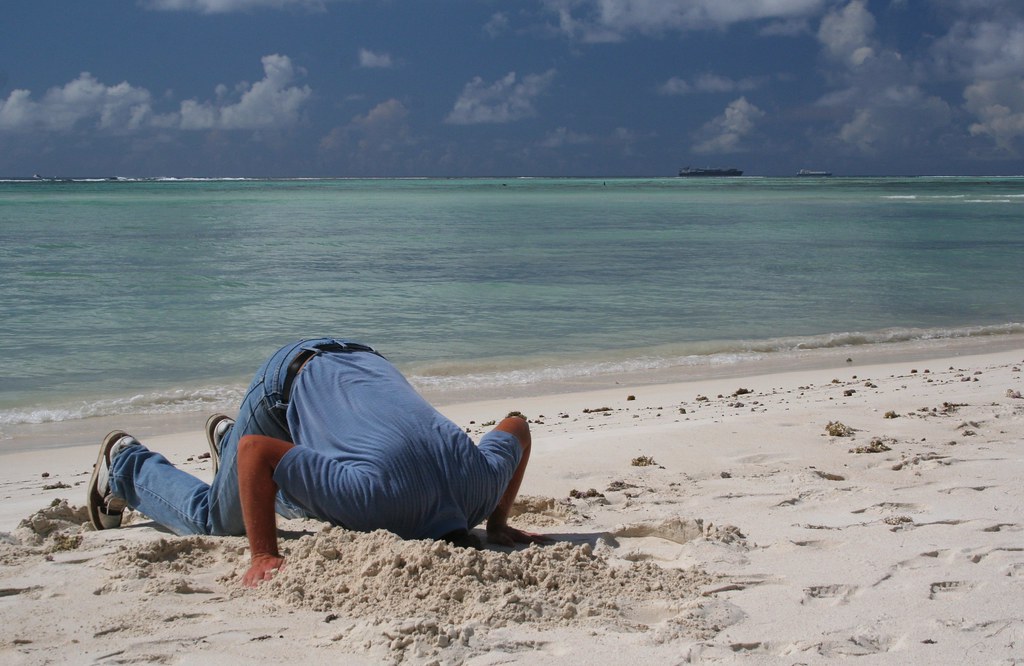
Yet the urgent need for action is matched by the scale of political resistance. Climate denialism continues to slow or obstruct policy responses, even as scientific evidence becomes more definitive. This political divide has created a widening gap between what research confirms and what governments are prepared to confront, leaving communities more vulnerable to crises that scientists have already warned are intensifying.
The Accelerating Reality of Climate Impacts
Scientific assessments show that climate change is advancing more rapidly than many earlier projections anticipated. Analysts have documented a growing number of communities already experiencing the consequences of environmental shifts, including heat extremes, shifting precipitation patterns, and disruptions to local ecosystems. These conditions highlight how climate change has moved from a theoretical concern to a lived experience shaping daily life.
Developing nations are among the most vulnerable to these accelerating changes. Rising temperatures and intensifying weather events create existential risks for regions with limited financial and infrastructural capacity to adapt. These areas face compounding challenges as climate pressures strain food systems, housing, health networks, and long-term stability.
Coastal regions are already experiencing the effects of sea-level rise, with communities confronting more frequent flooding and saltwater intrusion. These early impacts demonstrate how climate change magnifies existing vulnerabilities in regions where local economies and infrastructure depend heavily on geography. These shifts also underscore the difficulty of long-term planning when the pace of environmental change continues to accelerate.
Scientists emphasize that these disruptions are not isolated. The combination of warming oceans, altered weather systems, and loss of ecological stability creates a cascading effect in which one environmental stress deepens another. Evidence linking these changes to broader global patterns shows how climate impacts intersect across national borders, making coordinated action increasingly urgent.
As these pressures intensify, the gap between scientific evidence and political response becomes more consequential. While data clearly shows that climate change is underway, the absence of timely policy action increases long-term risks for millions of people. These realities form a growing body of evidence that the climate crisis is no longer a future scenario but an accelerating global challenge requiring immediate attention.
Emerging Risks: Geological and Environmental Shifts
Researchers continue to examine how climate change may influence not only atmospheric and oceanic conditions but certain geological processes as well. Studies have explored the possibility that changes in global temperatures could affect the stability of ice masses, water distribution, and pressures within the Earth’s crust. These scientific investigations highlight areas where warming climate patterns may interact with long-term geophysical systems.
One line of inquiry examines how melting ice sheets can alter the balance of weight across tectonic plates. As large ice masses shrink, the reduced pressure can cause subtle shifts in the crust, which may affect geological stability over time. These processes unfold slowly but have the potential to influence seismic patterns in ways that researchers are continuing to monitor and analyze.
Scientists also point to the complex ways in which warming temperatures can influence groundwater distribution. Changes in rainfall patterns, evaporation rates, and aquifer levels alter the forces acting on the Earth’s crust. These effects, combined with other climate-driven changes, may contribute to variations in regional geological behavior.
While researchers emphasize that the connections between climate change and geological activity remain under study, the work underscores how far-reaching the consequences of global warming may be. The possibility that climatic shifts could influence long-term geological processes adds another layer to the growing understanding of how interconnected Earth’s systems are and how climate change may alter them in unexpected ways.
Sea-Level Rise and Uneven Global Impact
Research mapping projected sea-level rise shows that significant differences exist from one region to another. Studies examining how melting Antarctic ice affects global coastlines demonstrate that water does not distribute evenly across the planet. Certain regions face much higher relative sea-level increases because of gravitational, geological, and oceanic factors that shape how meltwater moves.
This uneven distribution means that some areas will experience far greater risk than others. Coastal communities in vulnerable geographic zones may see faster and more dramatic changes, including more frequent flooding and intrusion of saltwater into freshwater systems. These impacts create urgent challenges for regions that depend on stable coastlines for housing, agriculture, and economic activity.
The mapping also highlights how changes in distant ice masses can have outsized effects on coastlines thousands of miles away. Melting in one part of Antarctica can elevate sea levels disproportionately in another part of the world, making the threat difficult for communities to predict without detailed scientific analysis. These dynamics underscore the need for localized assessments to guide effective planning and adaptation strategies.
Such findings reinforce a broader reality: climate change does not unfold uniformly. Different coastlines face different levels of exposure and risk, and regions already struggling with environmental or economic pressures may experience the most severe consequences. These disparities highlight the need for targeted adaptation strategies that recognize how unevenly climate-driven sea-level rise will shape the global landscape.
Preparing Communities Amid Political Resistance
Efforts to help communities prepare for the effects of climate change have become increasingly urgent as environmental disruptions intensify. International assessments emphasize the need for early warning systems, improved risk communication, and long-term planning to reduce the harm caused by extreme weather, heat, and flooding. These measures are designed to give communities time to respond to hazards that are growing more frequent and more destructive.
Reports highlight that preparedness depends on a combination of local investment, scientific guidance, and coordinated response networks. Communities that have adopted detailed adaptation strategies are better positioned to manage the impacts of rising temperatures, shifting rainfall patterns, and coastal threats. These examples show that proactive planning can reduce loss of life and economic strain, even as climate risks intensify.
Despite these efforts, significant obstacles remain where political leaders minimize or dismiss climate science. Resistance at national or regional levels slows the implementation of adaptation strategies, leaving communities without the tools needed to prepare effectively. This resistance creates gaps between what scientists recommend and what governments are willing to support, producing conditions that increase vulnerability.
Developing nations face additional barriers due to economic constraints and limited infrastructure. Reports describe how resource shortages complicate readiness efforts, even when climate threats are well documented. These limitations can force communities into reactive positions, responding to disasters after they occur rather than preparing ahead of time.
The combination of financial strain, uneven political will, and escalating climate impacts underscores the need for broader cooperation. Successful adaptation requires both local initiatives and national support, as well as recognition that delay carries real consequences. Without action aligned with scientific findings, communities remain exposed to risks that are both predictable and preventable.
The Political Problem: Denial at the Highest Levels
Scientific evidence has become increasingly clear, yet substantial political resistance continues to slow climate action. Reports describe situations in which leaders publicly reject or minimize the severity of climate change despite documented environmental disruptions. This denial creates a disconnect between scientific consensus and governmental policy, undermining efforts to prepare communities for emerging threats.
This resistance has material consequences. When political leaders dispute the reality or urgency of climate change, it becomes harder for agencies and local governments to secure funding for adaptation projects. These delays push communities into reactive positions, responding to extreme weather or rising sea levels after damage has already occurred.
The divide between scientific evidence and political posture also affects public understanding. Reports emphasize that political rhetoric can shape how climate risks are perceived, leading some communities to underestimate threats even as disruptions intensify around them. This misalignment further complicates efforts to build support for policies designed to reduce long-term risk.
For developing nations, political inaction in larger countries compounds existing vulnerabilities. Reports describe how communities facing rising temperatures and sea-level threats depend on international commitments that may weaken when major governments downplay climate issues. These disparities deepen global inequities and slow the collective response required to address the scale of the crisis.
The broader result is a world where scientific guidance advances while political progress stalls. The contrast between what research shows and what policymakers choose to acknowledge has become a central obstacle in addressing the climate emergency. This divide continues to shape global readiness at a time when risks are escalating and the consequences of delay are increasingly visible.
Consequences of Inaction
The effects of delayed climate action are already taking shape in regions experiencing rising temperatures, shifting weather patterns, and pressure on essential resources. These changes have created conditions that threaten food production, water availability, and public health in areas with limited capacity to adapt. For communities already living close to environmental thresholds, each new climate-driven disruption adds strain to systems that are struggling to keep pace with rapid change.
Coastal areas face some of the most immediate dangers. Research mapping potential sea-level changes identifies regions where even moderate ice melt would dramatically alter coastlines. These findings show that communities in vulnerable zones must prepare for recurrent flooding, land loss, and erosion that could undermine housing, infrastructure, and local economies. Without sustained investment in adaptation, these regions may confront long-term displacement and financial instability.
The broader environmental consequences create additional risks that unfold across multiple systems. Reports examining the relationship between climate change and geological processes show how warming patterns may influence long-term earth dynamics, adding new uncertainties to regions already grappling with environmental stress. These interactions highlight how climate change has the potential to amplify existing hazards, creating compound risks that extend beyond familiar weather-related threats.
As these impacts intensify, communities without adequate preparation face rising costs in health, infrastructure, and long-term security. Reports emphasize that the difference between proactive planning and delayed action can determine whether regions absorb climate shocks or suffer severe and lasting damage. In this context, political denial poses direct consequences, preventing the timely adoption of measures that could protect millions of people from predictable risks.
Conclusion
The combined findings show that climate change is unfolding at a pace that demands immediate and sustained action. Communities around the world are already facing risks tied to rising temperatures, disruptive weather patterns, and shifting ecological systems. For many regions, especially those with limited resources, these pressures have reached a point where they threaten long-term stability and public well-being.
Research detailing the uneven rise of sea levels and the potential influence of climate change on geological processes further illustrates how complex and interconnected these challenges have become. These findings underscore the need for planning based on scientific evidence that can help communities prepare for outcomes that are already visible. Without coordinated strategies, these risks will continue to compound and expand, affecting regions in unpredictable ways.
Despite these realities, political resistance remains a substantial barrier to effective climate action. Denial of well-documented scientific evidence slows the development of adaptation measures and leaves communities vulnerable to preventable harm. The contrast between accelerating climate impacts and delayed policy responses highlights the need for leadership that supports evidence-based planning. Without such support, the consequences of inaction will shape the lives of millions in the decades ahead.
Originally published by Brewminate, 12.04.2025, under the terms of a Creative Commons Attribution-NonCommercial-NoDerivatives 4.0 International license.
About the Author