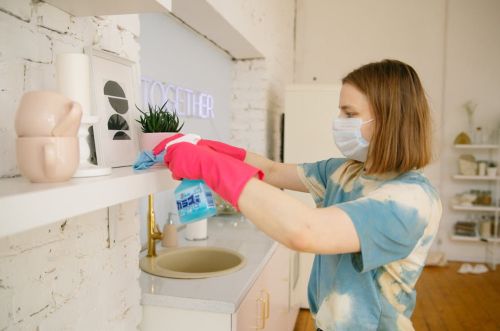
Some homes feel calm the moment you walk in. Nothing dramatic stands out. The furniture looks ordinary. And yet something feels different. The air seems lighter. Surfaces are clear. The space feels settled somehow.
Living spaces absorb habits over time. A wiped counter here. A pile left there. Windows opened in the morning. Towels forgotten in the bathroom. Day after day, those small decisions shape the environment people live in.
Most people think of cleaning as something cosmetic. Yet the condition of a home reaches further than appearance. The air circulating through a room. The food prepared in the kitchen. The way people move through hallways and shared spaces. Even the mood inside the house shifts depending on how those details are handled. Health lives in those details more often than people realize.
Effective Cleaning Products Support Household Health
Cleaning usually begins with ordinary routines. A cloth across the kitchen counter after dinner. A quick sweep of the floor before bed. Small gestures like that keep surfaces from quietly collecting layers of dust and bacteria. The products involved in those routines matter more than most people expect.
People often want something that actually removes dirt without filling the house with harsh chemical smells. Especially in homes where kids are crawling on the floor, pets wander through every room, and hands touch nearly every surface during the day.
Many households eventually discover options like popular Melaleuca cleaning products, which are often mentioned for combining effective cleaning performance with formulas designed to be safer for everyday household environments. Products like that make regular cleaning easier to maintain because people feel comfortable using them around the spaces where daily life happens.
Preventing Mold and Moisture Buildup
Moisture drifts through bathrooms after hot showers. It lingers near the stove while something simmers for too long. Most of the time, nobody notices.
But moisture waits. Behind cabinets. Along window frames, inside areas where airflow rarely reaches. Given enough time, those hidden pockets of damp air can invite mold to settle in. Opening a window for a few minutes. Wiping a sink dry after using it. Leaving the bathroom fan running just a little longer than usual. None of those actions feels dramatic in the moment. Yet together they keep moisture from claiming territory inside the home.
Reducing Stress Through Orderly Environments
Clutter rarely announces itself. It grows quietly. A stack of papers that wasn’t there yesterday. A chair that slowly becomes a place for jackets and bags. A kitchen counter where one item turns into five before anyone realizes what happened. Eventually, the room starts feeling crowded. Not physically crowded, perhaps. But visually busy. The eye moves from object to object, and the mind keeps registering unfinished tasks connected to each one.
An organized space interrupts that cycle. Clear surfaces give the mind a place to rest. Floors without scattered items allow people to move through rooms without thinking about obstacles. Even simple things, like returning objects to the same place each evening, gradually change how the space feels.
Preventing Pest Infestations
A crumb under the table. A forgotten snack on the pantry shelf. Insects and rodents follow those signals. Homes that stay clean tend to close those invitations quickly. Counters get wiped before residue hardens. Floors get swept before crumbs settle into corners. Pantry items remain sealed instead of loosely stacked.
Organization plays a quiet role too. Boxes are arranged neatly instead of piled randomly. Storage areas where everything sits in its place rather than forming dark gaps where pests could hide. Most infestations begin slowly. Clean homes usually prevent them from beginning at all.
Encouraging Healthier Cooking Practices
Spend enough evenings around a kitchen and a pattern starts to appear. Some kitchens seem to invite cooking without much effort. The counter is open. Maybe a cutting board rests near the sink, ready for the next thing that lands there.
Other kitchens hesitate a little. A stack of papers drifts toward the stove. A few dishes wait in the sink from earlier. Someone has to move a couple of things before there’s room to set down a plate. Nothing terrible, just a small delay before the real work begins. Clean spaces remove that pause.
The moment the counter feels available, cooking starts to happen more naturally. Someone chops onions. Another person opens a cabinet looking for a spice jar. A child wanders through, asking what smells good. Meals tend to grow out of kitchens that already feel ready.
Encouraging Mindful Living
A drawer slides open, and suddenly, there are objects that haven’t been touched in years. Tools bought for one project. A gadget that seemed essential at the time. Three versions of something nobody realized had multiplied. Organizing brings those forgotten things back into view. People usually pause when that happens. An object sits in the hand for a moment while someone tries to remember where it came from. Sometimes it goes back into the drawer. Other times, it quietly disappears from the house.
Rooms begin to change through that process. Shelves hold fewer things. Cabinets close a little easier. The space starts reflecting the way people actually live rather than the collection of things that once passed through it.
Preventing the Spread of Foodborne Bacteria
Cooking looks smooth from a distance. Ingredients appear on the counter. A knife moves quickly across a cutting board. Everything feels continuous. Up close, though, kitchens are full of contact points.
Hands move between ingredients. Knives pass from one surface to another. A cutting board hosts several foods in the span of a few minutes. The activity moves quickly enough that it’s easy to forget how much sharing happens on those surfaces. Cleaning interrupts the motion for just a second. A quick rinse of the knife. A cloth across the counter before the next ingredient arrives. Washing hands halfway through the process. Small pauses like that keep the kitchen safe without slowing the meal down.
Supporting Safe Movement
Homes gather objects the way sidewalks gather leaves. One thing lands near the door. Another ends up in the hallway. Someone sets something down for a moment with the idea of moving it later. Later, sometimes stretches out longer than expected. At first, the objects barely register. People step around them automatically. A backpack near the wall. Shoes beside the stairs. Then one day the floor clears again.
Everything returns to its place, and suddenly the house feels larger. Movement through the rooms becomes easy again. No adjustments. No careful steps.
Homes change slowly. A counter wiped after dinner. The kitchen stays ready. Pathways remain open. The air inside the house feels lighter simply because someone kept paying attention to the little things. Just the quiet effect of care given to the place where everyday life happens.
About the Author